

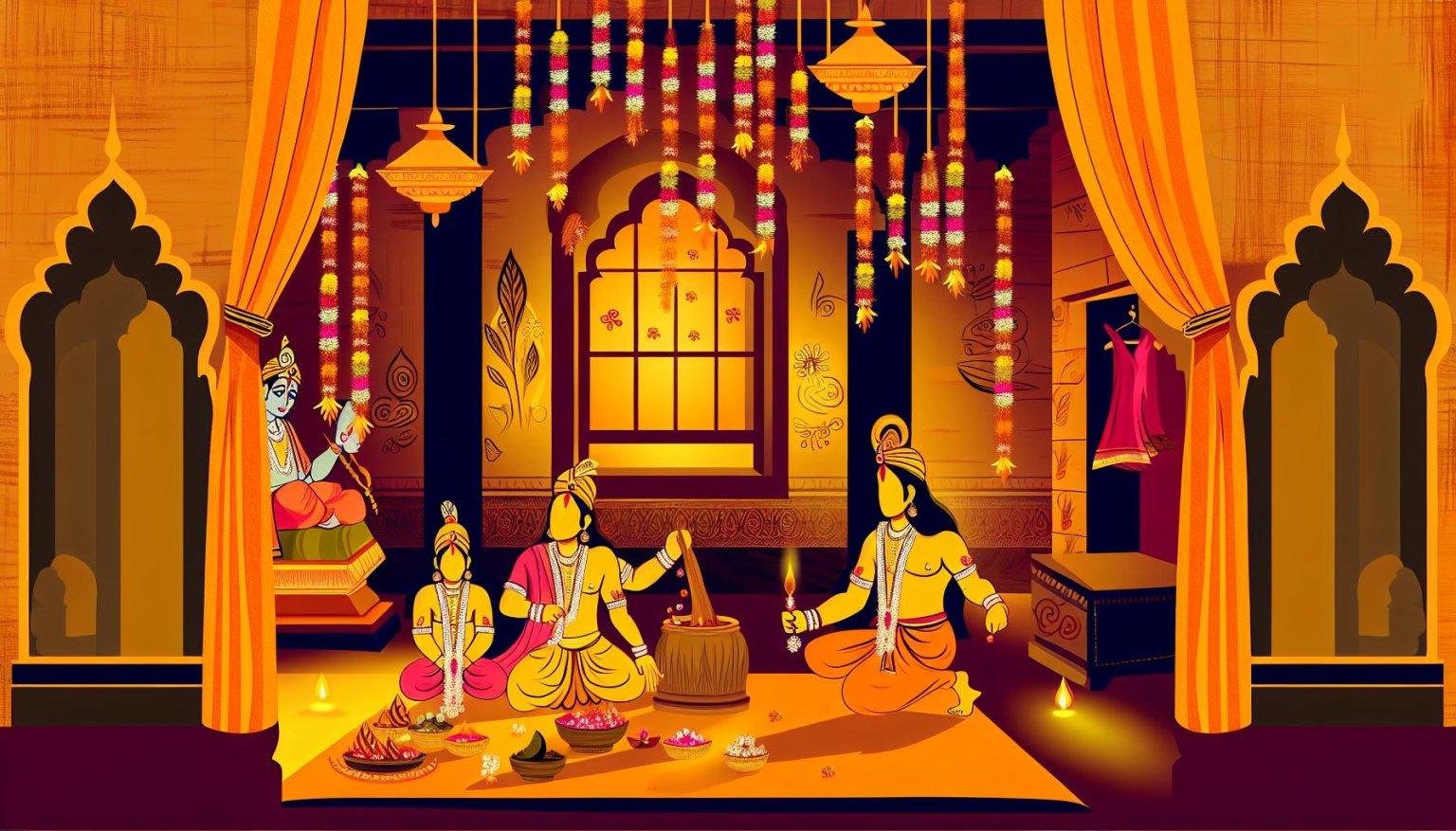
Bhishma Ashtami is a sacred observance dedicated to Bhishma Pitamah, the revered grandsire from the epic Mahabharata. This day commemorates his death anniversary and is marked by devotees who honor his virtues of loyalty, sacrifice, and wisdom. It is believed that Bhishma chose the time of his departure, lying on a bed of arrows until the auspicious moment, making this day spiritually significant.
The festival is observed primarily by Hindus, especially those who follow the traditions of the northern and western parts of India. Devotees include Brahmins, scholars, and families who hold the Mahabharata and its teachings in high esteem. Many also undertake fasts and special prayers seeking blessings for longevity, good health, and steadfastness in their duties.
Regional customs vary, with notable celebrations in states like Uttar Pradesh, Bihar, and Maharashtra. In some areas, Bhishma Ashtami coincides with other local rituals venerating ancestors and heroes. Temples dedicated to Bhishma or related deities witness special pujas, and some communities recite verses from the Mahabharata or perform plays depicting Bhishma’s life and sacrifice.
This festival is observed on the eighth day (Ashtami) of the Shukla Paksha (waxing phase of the moon) in the month of Magha according to the Hindu lunar calendar. The timing aligns with the auspicious period believed to be when Bhishma left his mortal body. This lunar calculation ensures the festival falls in late January or February, depending on the year.
Rituals on this day often include early morning baths, offerings of flowers and fruits to Bhishma’s idol or image, and recitation of mantras dedicated to him. Devotees observe fasts and perform charitable acts, reflecting Bhishma’s ideals of selflessness and dharma. Some also visit holy rivers or temples to seek spiritual merit, making Bhishma Ashtami a day of devotion and reflection on righteous living.
