
Kashi Vishwanath Temple
- Kashi Vishwanath Temple, Varanasi, Uttar Pradesh, India
- April 22, 2026


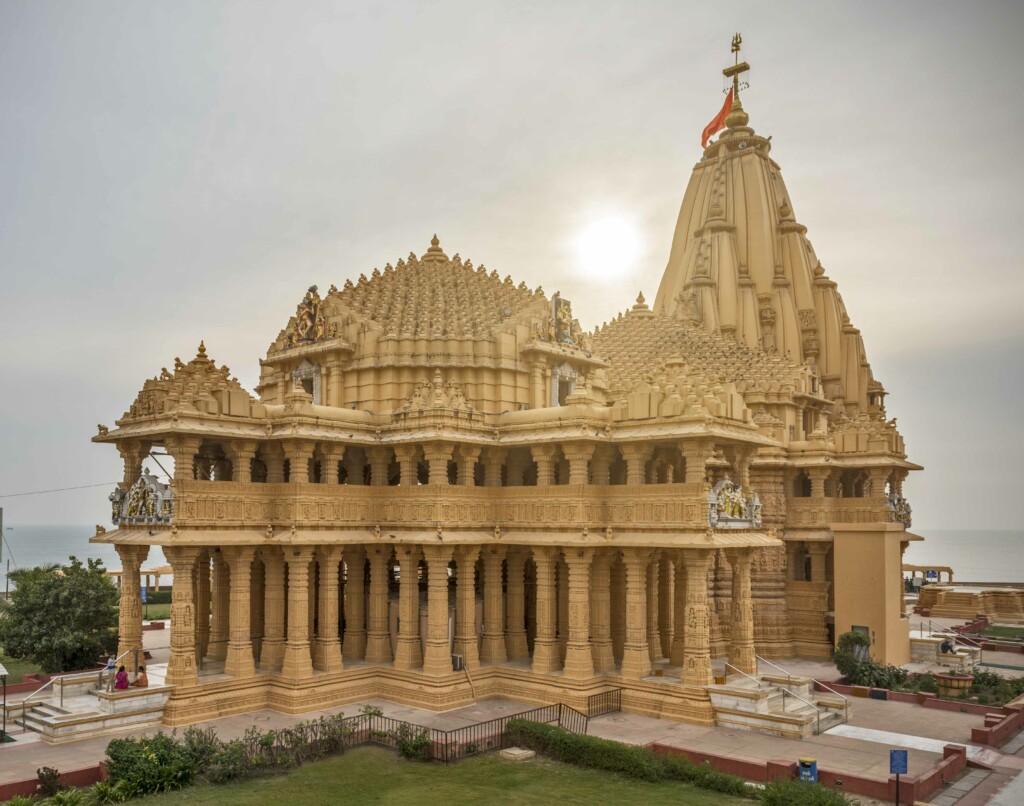

| Main Deity | Lord Shiva (Somnath/First Jyotirlinga) |
|---|---|
| Location | Prabhas Patan, Saurashtra, Gujarat, India |
| Temple Timings | 6:00 AM – 10:00 PM |
| Entry Fee | Free |
| Best Time to Visit | October – February |
| Significance | First of 12 Jyotirlingas |
Nestled along the serene coastline of the Arabian Sea in Gujarat, this sacred site holds a revered place in the hearts of millions who seek the blessings of Lord Shiva. Known as the first of the twelve Jyotirlingas, it symbolizes the eternal light of divine consciousness. The temple attracts pilgrims and spiritual seekers alike, drawn by its profound spirituality and the promise of solace and connection with the divine.
Not only does the temple serve as a beacon of faith, but it also stands as a testament to resilience and the enduring spirit of devotion. Its historical significance and architectural beauty make it a focal point for those who wish to experience the rich tapestry of Indian culture and spirituality.
The origins of this temple trace back to ancient times, with its mention in various scriptures and texts, highlighting its importance in the spiritual landscape of India. Over the centuries, it has faced numerous challenges, being looted and destroyed a staggering seventeen times, most notably by the invader Mahmud of Ghazni in 1026 AD. Each time, however, it rose from the ashes, embodying the unyielding faith of its devotees.
The present structure, built in 1951 under the guidance of Sardar Vallabhbhai Patel after India gained independence, reflects the architectural style of the Chalukya dynasty. This reconstruction not only revived a significant spiritual site but also rekindled the national pride and cultural identity of the people. As pilgrims approach, they are reminded of the temple’s tumultuous yet inspiring past.
The architectural design of this sacred site is a stunning representation of the Chalukya style, characterized by intricate carvings and soaring spires that seemingly reach for the heavens. The temple is adorned with delicate sculptures depicting various deities and mythological scenes, inviting visitors to delve into the rich narratives of Hindu lore. The sanctum sanctorum, housing the majestic Jyotirlinga, is the heart of the temple, drawing the reverent gaze of all who enter.
One of the most distinctive features of the temple is its location, perched on the edge of the Arabian Sea, where the rhythmic waves and gentle breeze create a serene atmosphere for contemplation and prayer. The combination of natural beauty and architectural brilliance makes this temple not only a spiritual haven but also a visual masterpiece that captivates every visitor.
This sacred site holds immense religious significance, drawing devotees from all walks of life who come to seek the blessings of Lord Shiva. The legends surrounding the temple speak of its divine origins and the immense power of the Jyotirlinga, which is believed to fulfill the wishes of sincere devotees. The atmosphere is imbued with spirituality, creating a space where individuals can connect with the divine and seek spiritual enlightenment.
For many, a pilgrimage to this temple is a transformative experience. The sense of community among devotees, the shared prayers, and the collective energy create an environment rich in devotion and reverence. It is a place where faith is not just observed but felt deeply, making every visit a cherished memory.
The temple comes alive during major festivals, with the most notable being Maha Shivaratri, when thousands of devotees gather to honor Lord Shiva. The night is filled with rituals, chanting, and offerings, creating a vibrant atmosphere of devotion and celebration. The temple’s ambiance transforms as music and prayers resonate through its halls, inviting the divine presence to bless the gathering.
Throughout the year, various rituals and ceremonies are conducted, each holding unique significance and drawing specific crowds. Whether it’s the daily aarti or special events, visitors can expect a rich tapestry of traditions that reflect the deep-rooted spirituality of the temple. Each festival is an opportunity for devotees to express their love and reverence for Lord Shiva, making their visits even more meaningful.
There are no reviews yet.

Worth ₹2,000 — 100% FREE
Already have an account? Log in
