
Kashi Vishwanath Temple
- Kashi Vishwanath Temple, Varanasi, Uttar Pradesh, India
- April 22, 2026


| Main Deity | Lord Shiva (Brihadeeswarar) |
|---|---|
| Location | Thanjavur, Tamil Nadu, India |
| Temple Timings | 6:00 AM – 12:30 PM; 4:00 PM – 8:30 PM |
| Entry Fee | Free |
| Best Time to Visit | October-March |
| Significance | UNESCO World Heritage Site (1987) – Great Living Chola Temples |
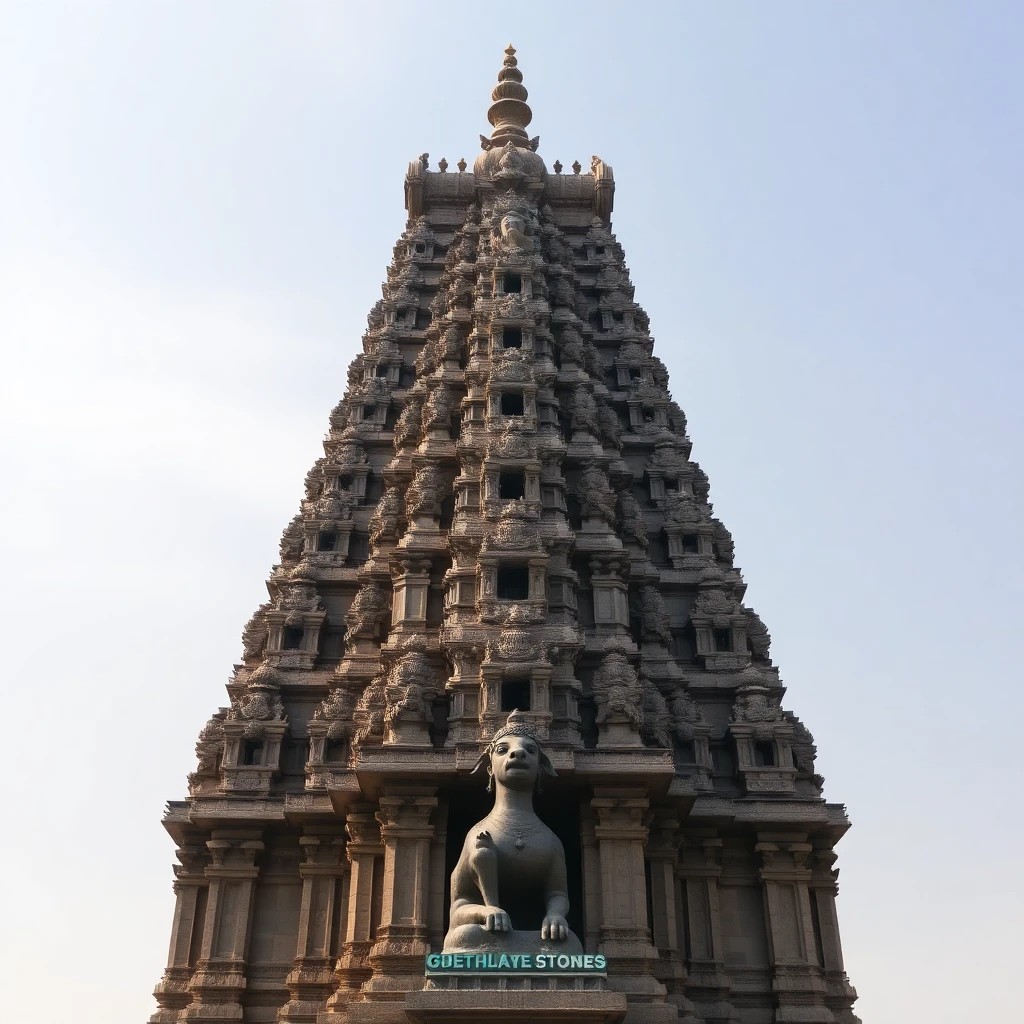
Located in the heart of Thanjavur, the temple stands as a magnificent tribute to devotion and artistry, dedicated to Lord Shiva, revered here as Brihadeeswarar. This sacred site is not only a place of worship but also a testament to the spiritual and cultural legacy of India. It attracts countless devotees and visitors who seek solace, inspiration, and a connection to the divine.
The temple is recognized as a UNESCO World Heritage Site, reflecting its significance in the architectural and spiritual landscape of Tamil Nadu. Each stone and sculpture tells a story of faith and reverence, making it an essential pilgrimage destination for those on a spiritual journey.
The origins of this revered temple trace back to the early 11th century when it was commissioned by the illustrious Raja Raja Chola I in 1010 AD. This remarkable ruler of the Chola dynasty envisioned a grand structure that would not only honor Lord Shiva but also symbolize the power and prosperity of his kingdom. The construction of the temple marked a pinnacle in the architectural achievements of the Chola dynasty, showcasing their advanced techniques and artistic prowess.
Throughout the centuries, the temple has been a witness to numerous events that shaped its legacy. Inscriptions found within the temple record various donations made by the Chola kings, illustrating the devotion and commitment of the dynasty to their faith. As time went on, the temple became a center for cultural activities and learning, further enriching the spiritual fabric of the region.
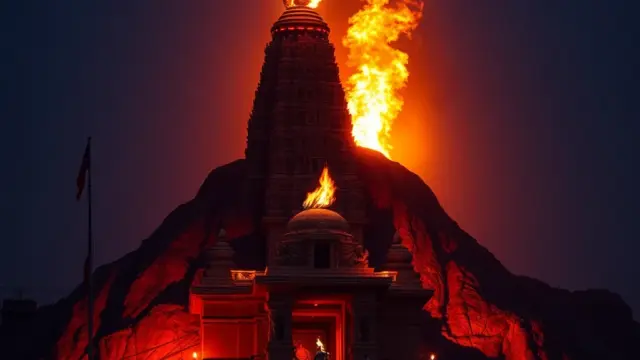
The architectural grandeur of the temple is truly awe-inspiring, characterized by its Dravidian style that highlights the intricate craftsmanship of the era. One of its most striking features is the towering vimana, which rises to a height of 66 meters, making it one of the tallest structures of its kind in India. This imposing tower not only serves as a visual focal point but also embodies the spiritual ascent towards the divine.
Another remarkable aspect of the temple is the phenomenon of the shadow of the vimana — it is said that at noon, the shadow does not fall upon the ground, a symbolic representation of divine presence. Additionally, the massive statue of Nandi, the sacred bull and vehicle of Lord Shiva, stands as a guardian at the entrance, welcoming devotees with its serene and powerful presence.
Devotees flock to this sacred site for a myriad of reasons, seeking blessings, spiritual healing, and a deeper connection with Lord Shiva. Legends abound, recounting tales of divine intervention and miraculous happenings that have solidified the temple’s importance in the hearts of the faithful. The rituals performed here, steeped in tradition, resonate with the energies of devotion and reverence.
The temple serves as a beacon of hope and inspiration, where the sacred chants and the sounds of bells create an atmosphere of tranquility. It is a place where one can immerse themselves in spirituality and experience a sense of belonging to a larger cosmic narrative.
The temple comes alive during major festivals, with celebrations that attract thousands of devotees. Among the most significant is the Mahashivaratri, a night dedicated to Lord Shiva, where devotees engage in night-long vigils, prayers, and meditative practices. This festival highlights the devotion and commitment of the followers, who believe that worship during this auspicious time brings immense blessings.
Throughout the year, various rituals and ceremonies take place, including daily pujas and special offerings that enhance the spiritual ambiance of the temple. Visitors can expect to witness vibrant cultural performances, elaborate decorations, and a palpable sense of community as people come together to celebrate their shared faith and devotion.
There are no reviews yet.
Worth ₹2,000 — 100% FREE
Already have an account? Log in
