
Kashi Vishwanath Temple
- Kashi Vishwanath Temple, Varanasi, Uttar Pradesh, India
- April 22, 2026


| Main Deity | Gautama Buddha (Bodhi Tree) |
|---|---|
| Location | Bodh Gaya, Gaya, Bihar, India |
| Temple Timings | 5:00 AM – 9:00 PM |
| Entry Fee | Free |
| Best Time to Visit | October-March; Buddha Purnima (May) |
| Significance | UNESCO World Heritage Site (2002) |
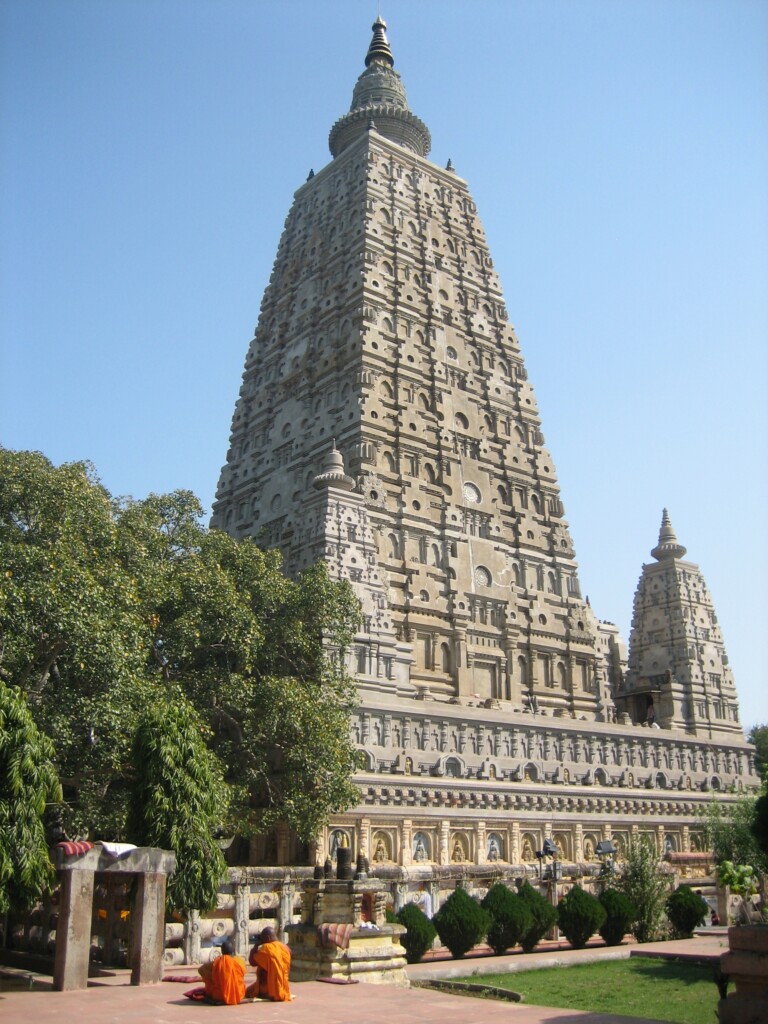
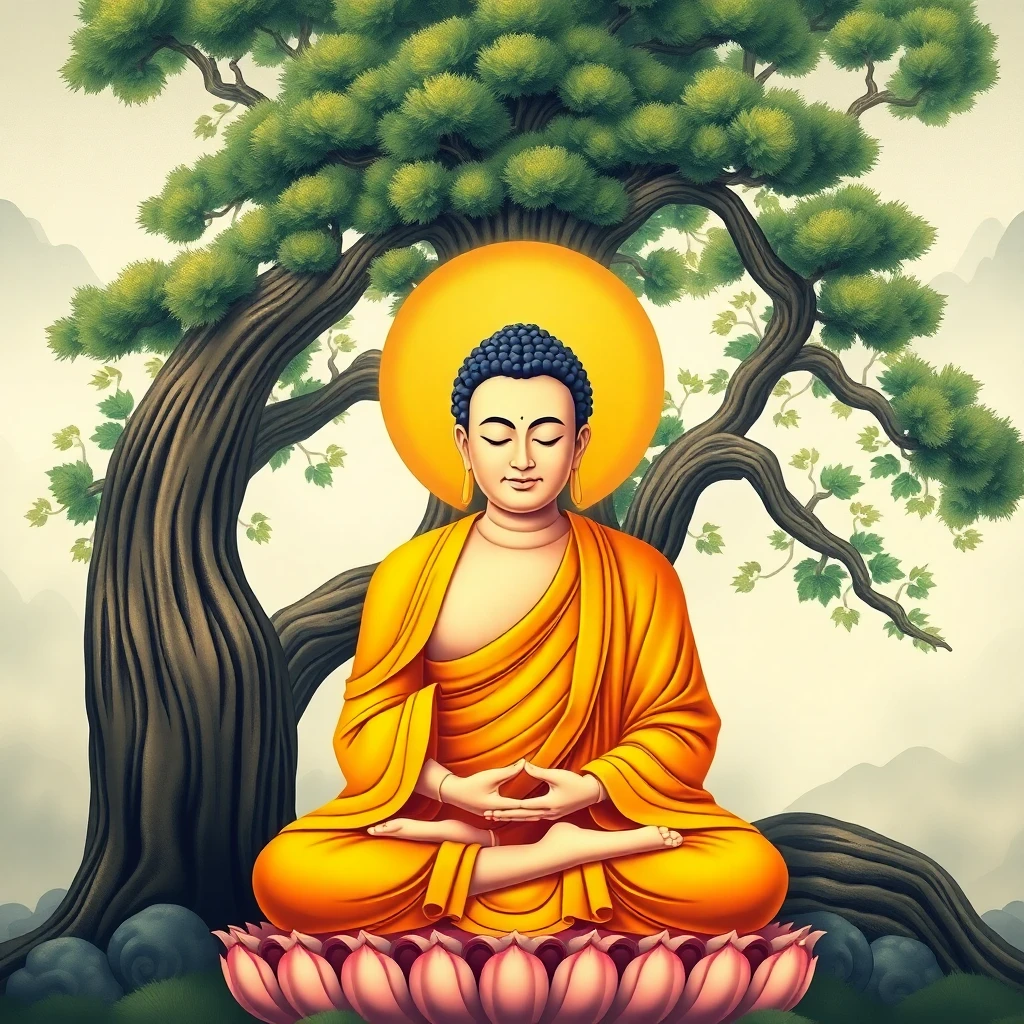
Nestled in the serene landscape of Bodh Gaya, the Mahabodhi Temple stands as a profound beacon of spiritual awakening and enlightenment. This sacred site marks the legendary location where Gautama Buddha attained enlightenment beneath the revered Bodhi Tree. As a UNESCO World Heritage Site, it not only attracts pilgrims from around the globe but also serves as a vital center for Buddhist teachings and practices.
The temple is a powerful symbol of the Buddhist faith, representing the journey towards self-realization and inner peace. Every year, countless devotees visit this hallowed ground to pay their respects and seek inspiration from the teachings of the Buddha, making it a significant pilgrimage destination for those on a spiritual quest.
The origins of this sacred site trace back to the 3rd century BCE when Emperor Ashoka, a pivotal figure in the spread of Buddhism, erected the original structure to commemorate the Buddha’s enlightenment. Over the centuries, the temple has undergone numerous renovations and restorations, reflecting the evolving architectural and cultural influences of the time. The current magnificent pyramidal tower, which rises to a height of 55 meters, was constructed during the 5th to 6th century CE, showcasing the artistic prowess of the period.
Throughout its history, the temple has been a focal point for Buddhist scholarship and practice. It has witnessed the rise and fall of dynasties, yet its spiritual significance has endured. The sacred Bodhi Tree, a descendant of the original tree under which Buddha attained enlightenment, continues to thrive in the temple’s courtyard, nurturing the spiritual journey of countless visitors.
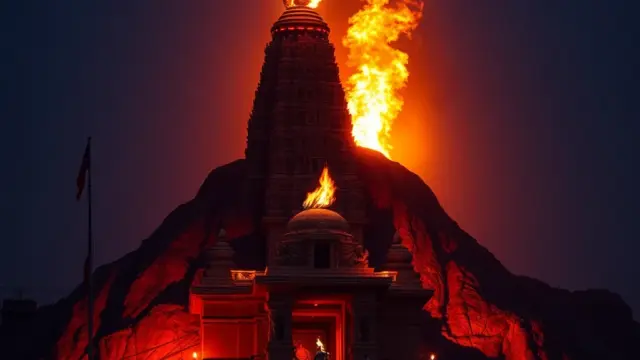
The architectural style of this sacred site is a striking blend of ancient Indian and Buddhist influences, characterized by its grand pyramidal tower and intricately carved stonework. The temple is adorned with numerous statues and reliefs depicting scenes from the Buddha’s life, serving as visual narratives that inspire and educate devotees. The entrance features a beautifully crafted gateway, inviting visitors to step into a realm of tranquility and reflection.
One of the most distinctive aspects of the temple’s design is its emphasis on verticality, symbolizing the spiritual ascent toward enlightenment. The temple’s walls are embellished with intricate motifs that reflect the rich cultural heritage of Buddhism, creating a harmonious ambiance that resonates with the aspirations of all who enter.
Devotees flock to this revered site not only to pay homage but also to immerse themselves in the teachings and wisdom of the Buddha. The temple embodies the essence of Buddhist philosophy, inspiring individuals to seek inner peace and understanding. Legends surrounding the site speak of miraculous events and profound insights, drawing pilgrims who wish to connect with the spiritual legacy of the Buddha.
The temple is a powerful reminder of the potential for enlightenment that lies within each individual. For many, it serves as a sacred space for meditation, reflection, and rejuvenation of the spirit, reinforcing the importance of mindfulness and compassion in everyday life.
The Mahabodhi Temple hosts a variety of festivals and celebrations throughout the year, drawing large crowds of devotees and spiritual seekers. One of the most significant events is Buddha Purnima, marking the birth, enlightenment, and death of Gautama Buddha. During this time, the temple is adorned with flowers and lights, and special prayers and rituals are conducted, creating an atmosphere of devotion and reverence.
Another notable celebration is the annual Bodhi Mela, where cultural programs and spiritual discourses take place, allowing visitors to engage with the teachings of Buddhism in a vibrant and festive setting. These celebrations not only honor the legacy of the Buddha but also foster a sense of community among those who gather to share in the spiritual experience.
There are no reviews yet.

Worth ₹2,000 — 100% FREE
Already have an account? Log in
