
Kashi Vishwanath Temple
- Kashi Vishwanath Temple, Varanasi, Uttar Pradesh, India
- April 22, 2026


| Main Deity | Lord Shiva (Lingaraja/Tribhuvaneswara) |
|---|---|
| Location | Bhubaneswar, Odisha, India |
| Temple Timings | 6:00 AM – 9:00 PM |
| Entry Fee | Free (Hindus only; viewing platform for others) |
| Best Time to Visit | October-March; Maha Shivaratri |
| Significance | Oldest temples in Odisha; Bhubaneswar – Temple City of India |
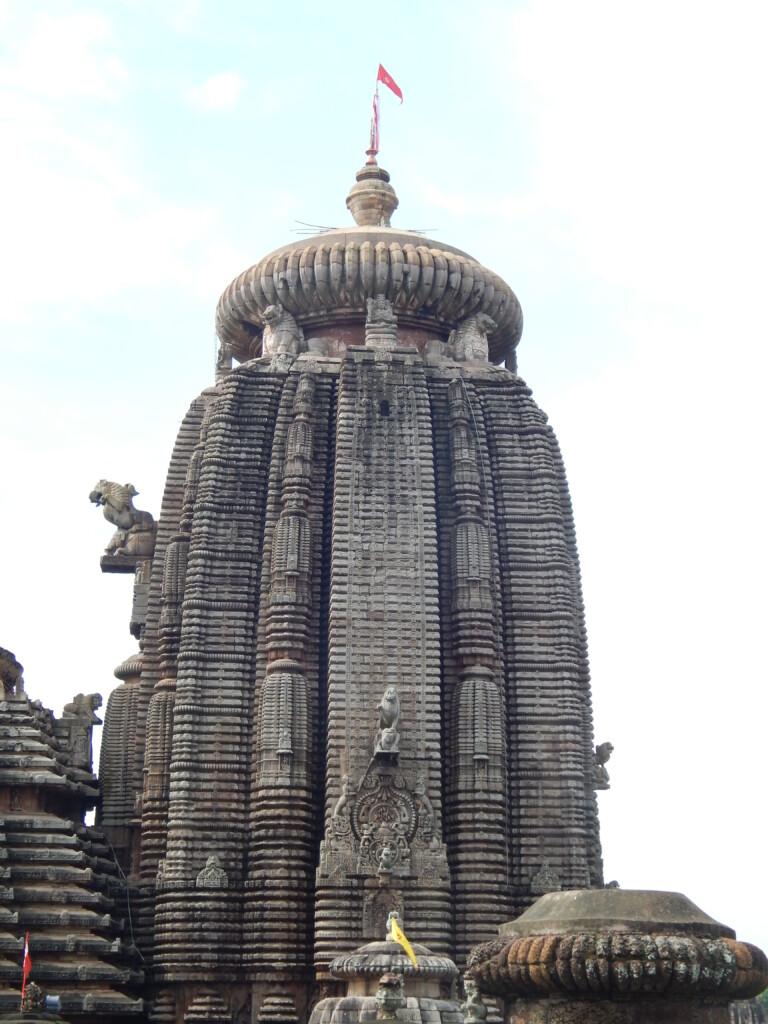
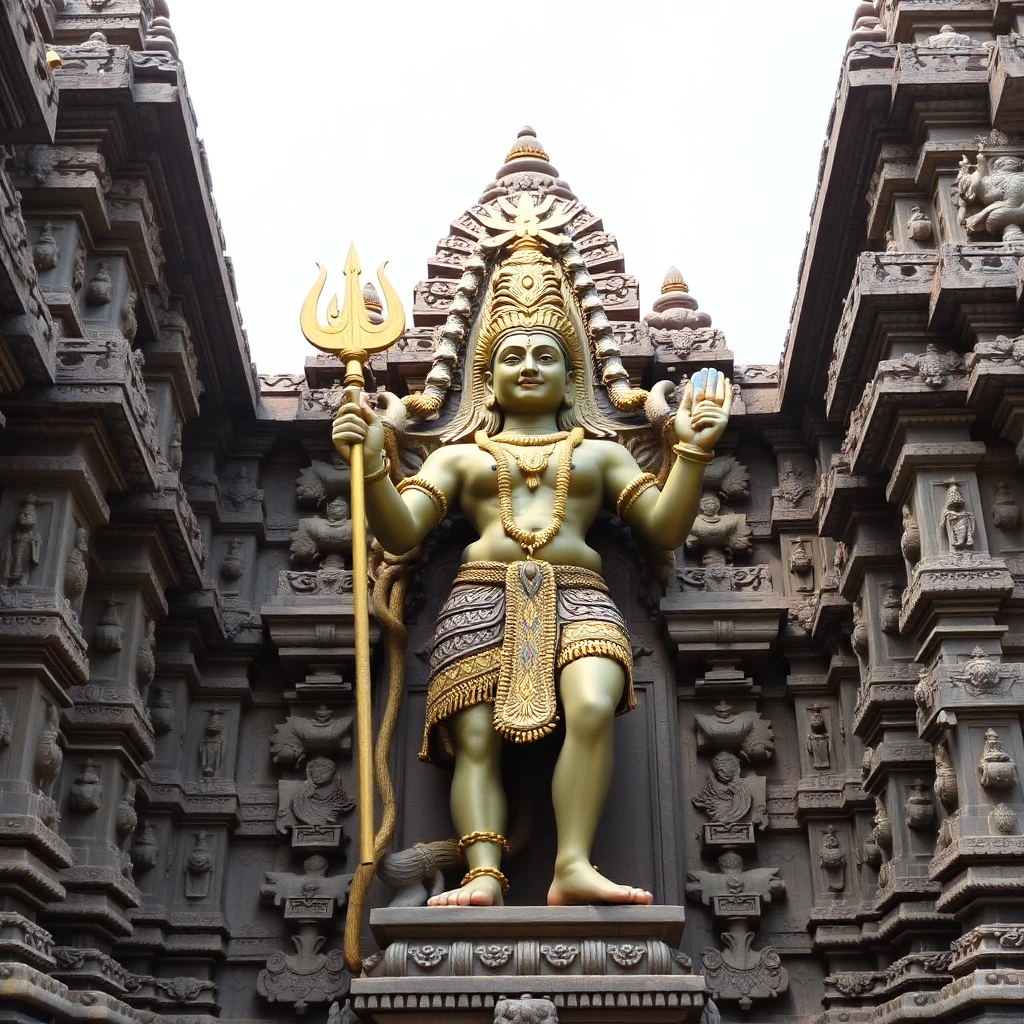
Nestled in the heart of Bhubaneswar, this sacred site stands as a beacon of devotion and architectural grandeur. Revered as the largest temple in the city, it is a spiritual haven for devotees seeking the blessings of Lord Shiva, known here as Lingaraja. Its significance extends beyond mere worship, embodying the rich cultural and spiritual heritage of Odisha, where countless pilgrims and visitors gather to immerse themselves in its divine ambiance.
As a testament to the enduring faith of its followers, the temple draws not only those who come to pray but also those who wish to witness the artistic brilliance of ancient Indian craftsmanship. This temple serves as a poignant reminder of the deep-rooted traditions that continue to thrive in modern times, making it an essential stop on any spiritual journey through India.
The origins of this sacred site trace back to the 11th century, a period marked by the flourishing of the Kalinga dynasty, which played a pivotal role in the temple’s construction. Built under the reign of King Jajati Keshari, the temple reflects the grandeur of the Kalinga architectural style, showcasing the intricate artistry and spiritual fervor of its time. Throughout the centuries, it has witnessed the rise and fall of empires, while remaining a constant symbol of devotion and cultural identity for the people of Odisha.
Over the years, the temple complex has evolved, incorporating more than fifty smaller shrines within its vast grounds, each dedicated to various deities. Though it has faced challenges, including natural calamities and invasions, the temple has been lovingly restored and continues to stand resilient, drawing the faithful and curious alike. Its historical journey is a tapestry woven with threads of faith, artistry, and the enduring spirit of the community.
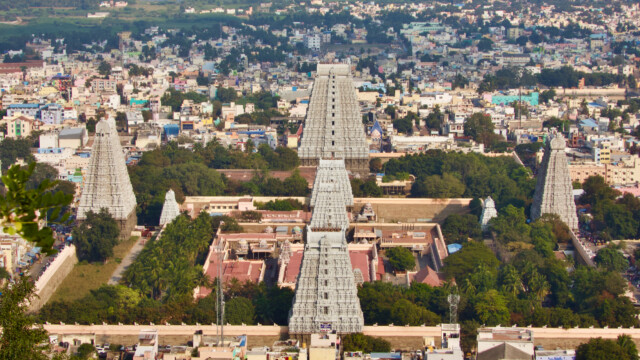
The architectural brilliance of this splendid temple is immediately evident in its towering main shrine, which rises majestically to a height of 55 meters. This impressive deul, or tower, is a hallmark of Kalinga architecture, characterized by its curvilinear form and intricate carvings that depict various divine figures and motifs. The attention to detail in the stonework reflects the skilled craftsmanship of the artisans who dedicated their lives to creating this revered space.
In addition to the main tower, the temple complex is adorned with a multitude of smaller shrines, each contributing to the overall aesthetic and spiritual atmosphere. The harmonious layout of the temple grounds, along with its sacred water tank, enhances the serene environment, inviting visitors to pause and reflect. The striking combination of artistry and spirituality makes this temple a true masterpiece, offering an unparalleled experience for all who enter.
This sacred site holds profound significance for devotees, who flock here to pay homage to Lord Shiva, embodying both the creator and the destroyer. The presence of Harihara, a divine union of Shiva and Vishnu, further enriches the spiritual experience, symbolizing the harmony of opposites in Hindu philosophy. Legends surrounding the temple speak of its miraculous powers, drawing individuals seeking solace, blessings, and answers to their prayers.
Devotees often recount personal stories of transformation and divine intervention attributed to their visits. The temple’s atmosphere, infused with centuries of devotion, nurtures a profound sense of connection among worshippers, making it an essential pilgrimage site. Here, the sacred meets the everyday, and each prayer resonates deeply within the hearts of those who seek spiritual fulfillment.
The vibrant atmosphere of this sacred site comes alive during major annual festivals, drawing thousands of devotees who partake in the celebrations. One of the most significant events is the Ashokastami festival, which honors the deity with elaborate rituals, processions, and cultural performances. The temple becomes a hub of activity, with devotees engaging in fervent prayers and offerings, creating an electrifying ambiance of faith and devotion.
Throughout the year, various rituals and ceremonies are conducted, each designed to honor the deities and uphold the sacred traditions of the temple. The rhythmic chants and the scent of incense fill the air, offering a sensory experience that enhances the spiritual atmosphere. Visitors can expect to witness the vibrant tapestry of life that unfolds during these celebrations, where the community comes together to celebrate their faith in a shared expression of love and devotion.
There are no reviews yet.
Worth ₹2,000 — 100% FREE
Already have an account? Log in
