
Kashi Vishwanath Temple
- Kashi Vishwanath Temple, Varanasi, Uttar Pradesh, India
- April 22, 2026


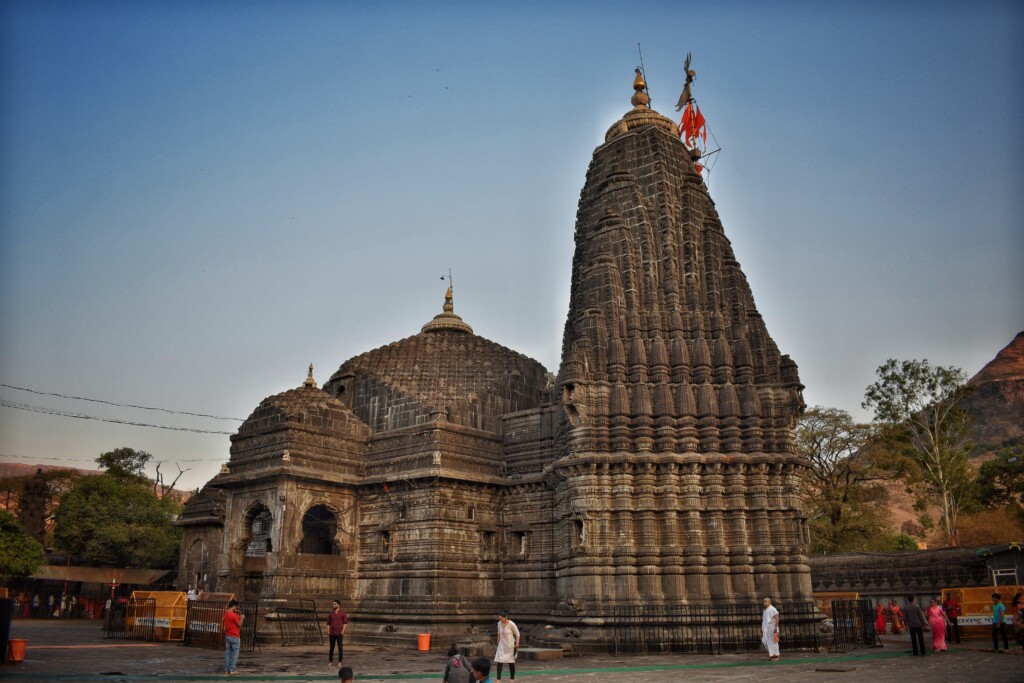
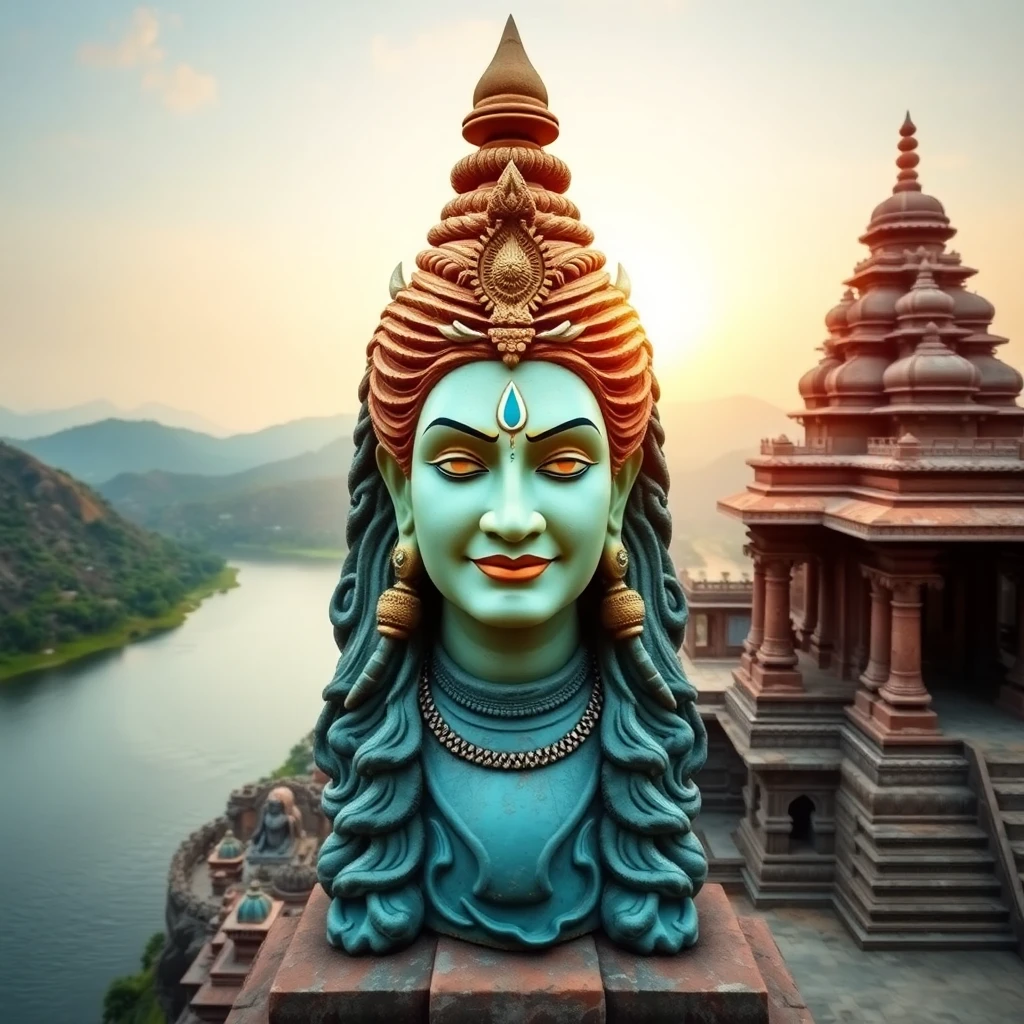
| Main Deity | Lord Shiva (Trimbakeshwar) |
|---|---|
| Location | Trimbak, Nashik, Maharashtra, India |
| Temple Timings | 5:30 AM – 9:00 PM |
| Entry Fee | Free |
| Best Time to Visit | October-March; Kumbh Mela |
| Significance | One of 12 Jyotirlingas; origin point of Godavari River |
Nestled in the picturesque town of Trimbak in Nashik, Maharashtra, this sacred site holds profound significance for devotees of Lord Shiva. As one of the twelve revered Jyotirlingas, it serves as a powerful spiritual beacon, drawing pilgrims from across the country and beyond. The temple is not only a place of worship but also a space for reflection and connection with the divine, inviting visitors to immerse themselves in its serene atmosphere.
At the heart of the temple lies a unique three-faced lingam, which symbolizes the powerful trinity of Brahma, Vishnu, and Shiva. This representation highlights the interconnection of these deities and the belief that all forms of divinity converge at this sacred site. Moreover, the temple is believed to be the source of the holy Godavari River, which adds to its spiritual allure, making it a must-visit destination for those seeking divine blessings and spiritual rejuvenation.
The history of this sacred site is rich and layered, with its origins tracing back to ancient times. The temple was constructed during the reign of the Brahmin dynasty and is attributed to the 18th century, though the worship of Shiva at this location is believed to have existed even earlier. The site has witnessed the patronage of various dynasties, including the Satavahanas and the Mughals, who contributed to its architectural evolution and spiritual significance over the centuries.
One of the key events in the temple’s history is the establishment of the Nashik Kumbh Mela, which occurs every twelve years in the vicinity. This grand festival attracts millions of devotees, who come to bathe in the sacred waters of the Godavari, seeking purification and spiritual merit. The temple played a pivotal role in this pilgrimage, solidifying its status as a central hub of faith and devotion among the Hindu community.
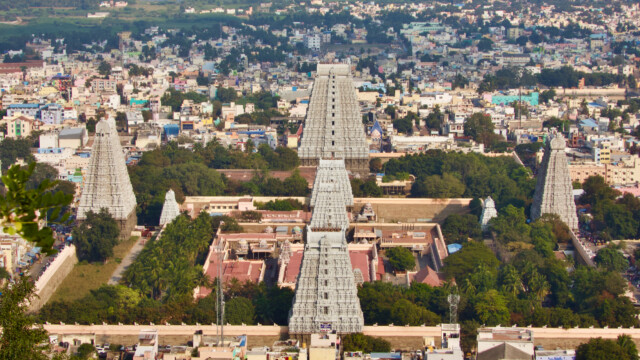
The architecture of this sacred site is a stunning representation of Hemadpanthi style, characterized by the use of black stones that lend a unique aesthetic to the structure. The temple complex is adorned with intricate carvings and sculptures that narrate various tales from Hindu mythology, inviting visitors to engage with the stories of the divine. The use of local stone not only enhances its beauty but also connects the temple to its geographical and cultural roots.
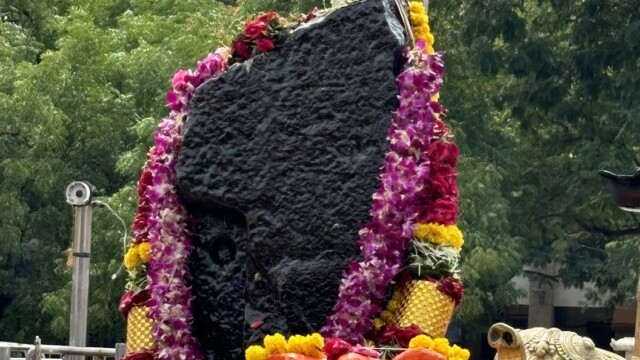
One of the most distinctive features of this temple is the three-faced lingam, which is a rare sight among Jyotirlingas. This extraordinary representation is a visual manifestation of the divine trinity, allowing devotees to perceive the multifaceted nature of the divine presence. Each facet symbolizes the essence of creation, preservation, and destruction, creating a profound experience for those who come to worship.
This sacred site holds immense religious significance for devotees, who believe that visiting the temple and offering prayers can lead to spiritual liberation and blessings from Lord Shiva. The stories of divine miracles associated with the temple have permeated the consciousness of the faithful, reinforcing its status as a site of immense spiritual power. The belief that the Godavari River originates from the sacred pond within the temple complex adds to its allure, as pilgrims seek to cleanse themselves in its holy waters.
Legends associated with this sacred site speak of the immense penance performed by devotees seeking darshan of the divine. The temple is also closely linked to the narratives of significant Hindu epics, which enhances its spiritual tapestry. Each visit to the temple is seen as an opportunity to connect with the divine, making it a cherished pilgrimage destination.
The temple celebrates various festivals, the most significant being the Maha Shivaratri, which attracts thousands of devotees each year. On this auspicious night, the temple is adorned with lights and flowers, and special rituals are conducted to honor Lord Shiva. Devotees observe fasting, chant prayers, and participate in night-long vigils, creating a vibrant atmosphere filled with devotion and spiritual fervor.
Additionally, the temple hosts the Nashik Kumbh Mela, which is a grand celebration that occurs every twelve years. This event sees a massive influx of pilgrims who come to take a holy dip in the Godavari River, symbolizing spiritual purification. The temple’s role during this festival is crucial, as it serves as a primary location for rituals and gatherings, amplifying its importance in the religious calendar.
There are no reviews yet.
Worth ₹2,000 — 100% FREE
Already have an account? Log in
