
Kashi Vishwanath Temple
- Kashi Vishwanath Temple, Varanasi, Uttar Pradesh, India
- April 22, 2026


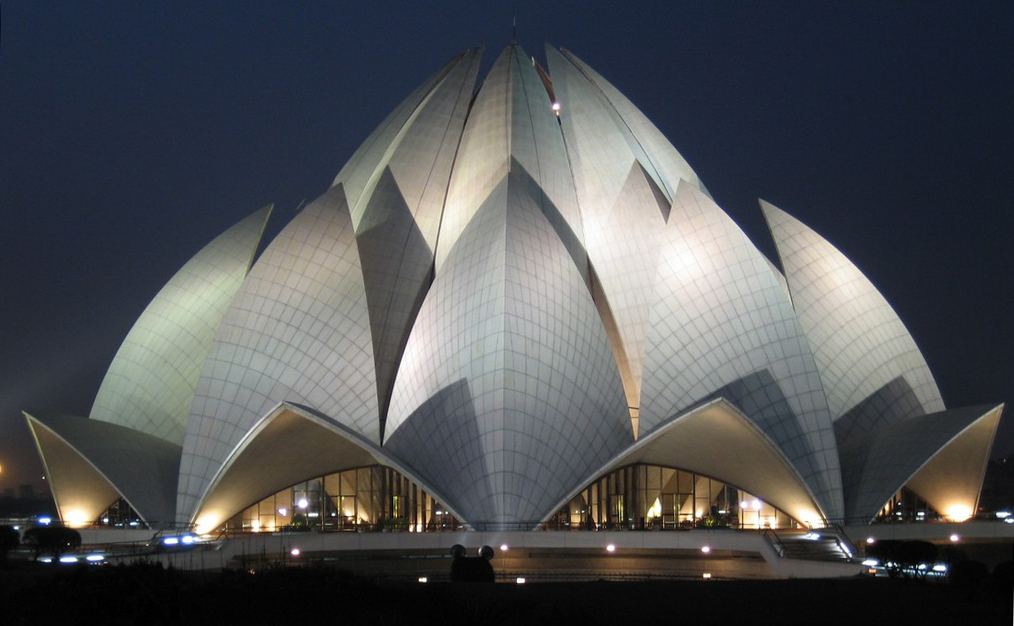
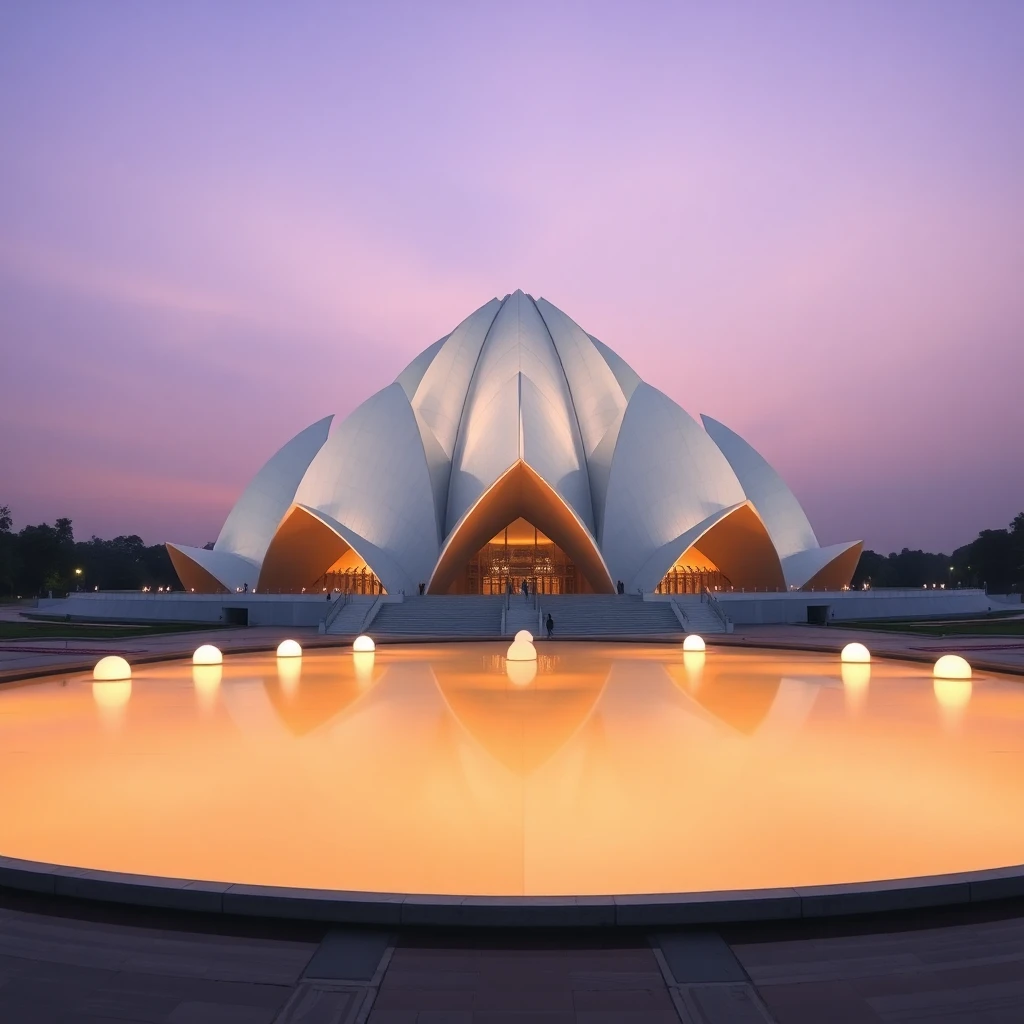
| Main Deity | Bahaulllah (Bahai faith) |
|---|---|
| Location | Bahapur, New Delhi, Delhi, India |
| Temple Timings | 9:30 AM – 5:30 PM (winter); 9:30 AM – 7:00 PM (summer); Closed Mondays |
| Entry Fee | Free |
| Best Time to Visit | October-March |
| Significance | 100 million+ visitors; one of most visited buildings globally |
Nestled in the vibrant heart of New Delhi, this sacred site stands as a beacon of peace and unity among diverse faiths. Known for its striking lotus-like design, it is an architectural marvel that draws millions of visitors each year—over 100 million to date. The temple invites individuals from all walks of life to gather, reflect, and find solace, embodying the core principles of the Bahá’í Faith, which emphasizes the oneness of humanity and the importance of spiritual harmony.
This welcoming atmosphere, free from rituals and sermons, allows for a personal experience of spirituality. Visitors come to admire not only the breathtaking structure but also to meditate in its serene surroundings. It is a place where the soul can find tranquility amidst the bustling energy of the city, making it a significant spiritual landmark.
The temple’s origins trace back to the vision of Bahá’u’lláh, the founder of the Bahá’í Faith, who advocated for unity and peace among all people. Following the establishment of the Bahá’í community in India, the decision to construct a temple was made in the late 20th century. Groundbreaking took place in 1980, and the magnificent structure was completed in 1986, reflecting the dedication and commitment of countless individuals who contributed to its creation.
Throughout its history, this sacred site has not only served as a place of worship but has also been a venue for the promotion of Bahá’í principles. Its completion marked a significant milestone for the Bahá’í community in India and globally, symbolizing the growing recognition and acceptance of Bahá’í teachings. The temple has since become a significant pilgrimage destination and a testament to the enduring legacy of Bahá’u’lláh’s vision for a united world.
Designed by the talented Iranian-Canadian architect Fariborz Sahba, the temple is a stunning representation of modern architecture that draws inspiration from natural forms. Its 27 elegantly arranged petals, crafted from pristine white marble, create a lotus flower that is both striking and serene, symbolizing purity and beauty. The petals are delicately set among nine tranquil ponds, enhancing the peaceful atmosphere and reflecting the harmonious balance of nature.
The temple’s design has garnered numerous architectural awards, celebrated for its innovative approach and aesthetic appeal. The interplay of light and shadow throughout the day creates a dynamic visual experience, allowing visitors to appreciate the temple’s beauty from various perspectives. This harmonious integration of architectural brilliance and natural elements makes it a distinctive landmark, attracting admirers not just for its spiritual significance but also for its artistic merit.
Devotees and visitors flock to this sacred site for a variety of reasons, drawn by its message of love, unity, and peace. Many find inspiration in the teachings of Bahá’u’lláh, which promote understanding and respect among different cultures and religions. The absence of rituals allows individuals to engage with their spirituality on a personal level, fostering a deep sense of connection with the divine and with one another.
Stories abound of transformative experiences within these walls, where visitors often report feelings of enlightenment and profound peace. This temple serves not only as a place of worship but also as a symbol of hope and a reminder of humanity’s shared quest for harmony. Its sacred importance continues to resonate, encouraging individuals to reflect on their beliefs and fostering a deeper understanding of the interconnectedness of all life.
The temple hosts a variety of celebrations that reflect the rich tapestry of the Bahá’í Faith. One of its major annual events is the commemoration of the Birth of Bahá’u’lláh, celebrated with joy and reverence. This occasion brings together members of the community and visitors alike to honor the life and teachings of the founder, filled with music, art, and heartfelt reflections.
Throughout the year, the temple also organizes various educational programs, workshops, and community service initiatives that embody the spirit of service and unity. Visitors can expect a warm and inviting atmosphere during these events, where the focus is on fostering connections and promoting the values of compassion and understanding. This commitment to community engagement enhances the temple’s role as a spiritual hub, encouraging all to participate in the celebration of life and love.
There are no reviews yet.

Worth ₹2,000 — 100% FREE
Already have an account? Log in
