
Kashi Vishwanath Temple
- Kashi Vishwanath Temple, Varanasi, Uttar Pradesh, India
- April 22, 2026


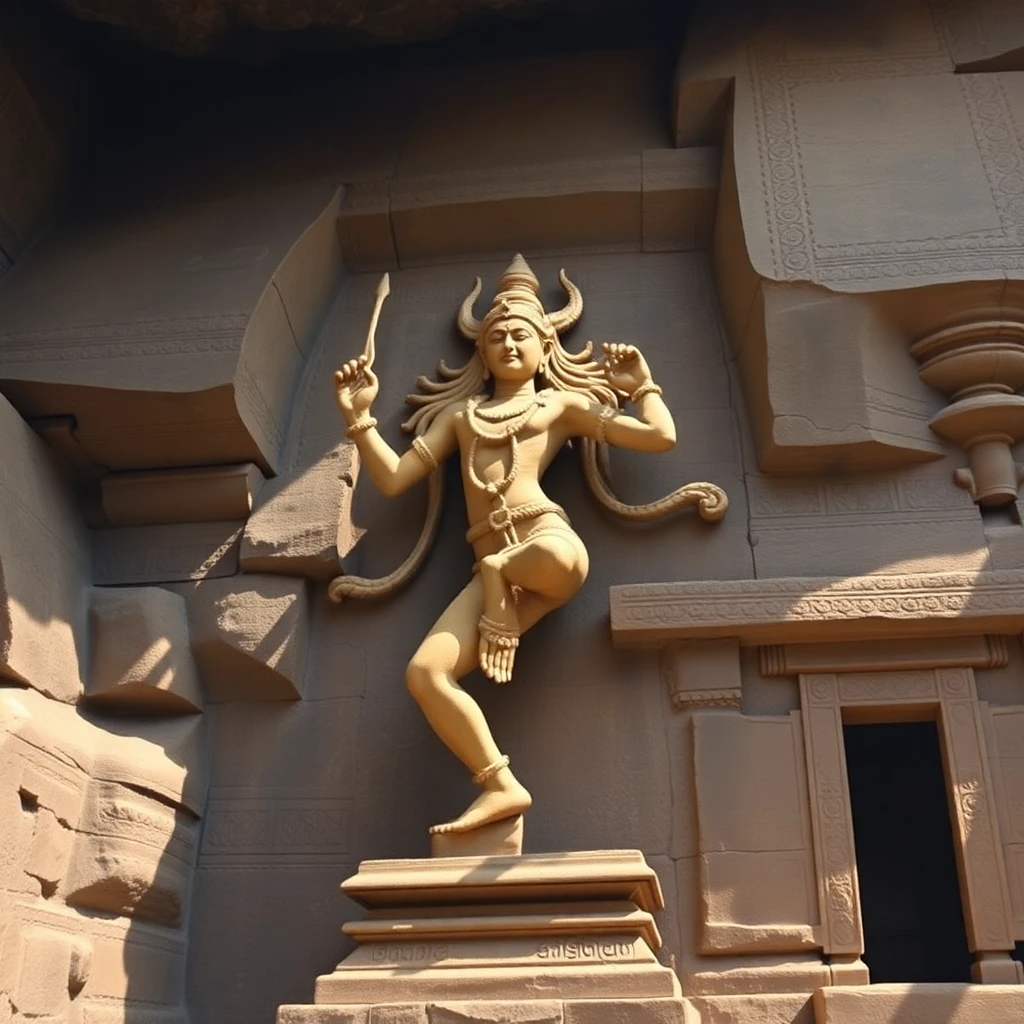
| Main Deity | Lord Shiva (Kailash Temple), Buddha, Lord Mahavira |
|---|---|
| Location | Ellora, Aurangabad, Maharashtra, India |
| Temple Timings | 6:00 AM – 6:00 PM (closed Tuesdays) |
| Entry Fee | INR 40 (Indians/SAARC); INR 600 (foreigners) |
| Best Time to Visit | November-March |
| Significance | UNESCO World Heritage Site (1983); world's largest monolithic rock-cut temple (Cave 16) |
Nestled amidst the rugged hills of Aurangabad in Maharashtra, the sacred site of the Ellora Caves Temples stands as a remarkable testament to India’s rich spiritual heritage. This UNESCO World Heritage Site encompasses a mesmerizing collection of 34 monasteries and temples, intricately carved into a two-kilometer stretch of basalt cliffs. The site holds profound significance for followers of Buddhism, Hinduism, and Jainism, making it a unique confluence of diverse spiritual traditions.
Visitors to this revered location are often struck by the harmonious coexistence of different faiths, with each cave representing the artistic and devotional expressions of its respective religion. The most notable among these is the Kailash Temple, a breathtaking monolithic structure dedicated to Lord Shiva that draws pilgrims and tourists alike, eager to witness its grandeur and the dedication that went into its creation.
The Ellora Caves were carved between the 6th and 10th centuries, a period marked by the rule of the Rashtrakuta dynasty, which played a pivotal role in the artistic and architectural achievements of ancient India. This era witnessed a flourishing of religious and cultural life, enabling the creation of these extraordinary rock-cut temples. The site reflects the spiritual aspirations of its creators, who sought to carve out sanctuaries that would stand the test of time.
Among the significant milestones in the history of this sacred site is the construction of the Kailash Temple, which is not only the largest monolithic rock-cut temple in the world but also showcases the artistic prowess of its artisans. The craftsmanship involved in carving this temple from top to bottom speaks volumes about the devotion and skill of those who labored over it, fueling its continued reverence among devotees who see it as a manifestation of divine will.
The architectural style of the Ellora Caves is a captivating blend of various influences, reflecting the religious diversity of the site itself. The Buddhist caves, characterized by their stupas and viharas, are designed to facilitate meditation and communal worship. In contrast, the Hindu caves, particularly the Kailash Temple, exhibit intricate sculptures and remarkable iconography that narrate the stories of deities and divine exploits, inviting contemplation and devotion.
What sets this sacred site apart visually is the sheer scale of its carvings and the precision with which they were executed. The Kailash Temple, in particular, is distinguished not only for its monumental size but also for the elaborate relief work that adorns its walls, depicting scenes from Hindu mythology and showcasing an unparalleled level of artistry. The careful attention to detail and the seamless integration of the natural rock into the architectural design create an immersive experience for all who visit.
Devotees flock to this sacred site seeking spiritual solace and enlightenment. The caves serve as a pilgrimage destination for many, each cave resonating with the prayers and aspirations of countless individuals who have visited over the centuries. Legends surrounding the site, particularly regarding the extraordinary efforts involved in carving the Kailash Temple, add to its allure and spiritual significance, inspiring awe and reverence among visitors.
The presence of multiple faiths at this site further enhances its sacred importance, as it embodies the message of unity and understanding among diverse religious traditions. For many, coming to this place is a journey not only of physical distance but also of spiritual awakening, as they engage with the rich tapestry of history, art, and devotion that the caves represent.
The Ellora Caves host various festivals throughout the year, drawing large crowds of devotees and tourists who come to celebrate the spiritual vibrancy of the site. Major festivals often coincide with significant religious dates, where rituals and prayers are performed to honor the deities represented within the caves. These events are marked by a palpable sense of community, as people from different backgrounds come together to partake in the festivities.
During these celebrations, visitors can expect to witness traditional music, dance, and cultural performances that enliven the atmosphere, enriching the overall spiritual experience. The rituals conducted during these festivals are not merely acts of devotion but also serve to connect the past with the present, allowing attendees to engage deeply with the heritage of this extraordinary site.
There are no reviews yet.

Worth ₹2,000 — 100% FREE
Already have an account? Log in
