
Kashi Vishwanath Temple
- Kashi Vishwanath Temple, Varanasi, Uttar Pradesh, India
- April 22, 2026


| Main Deity | Lord Shiva, Lord Vishnu, Jain Tirthankaras |
|---|---|
| Location | Khajuraho, Chhatarpur, Madhya Pradesh, India |
| Temple Timings | 6:00 AM – 10:00 PM |
| Entry Fee | INR 40 (Indians/SAARC); INR 600 (foreigners) |
| Best Time to Visit | October-March; Feb-Mar (Dance Festival) |
| Significance | UNESCO World Heritage Site (1986) |
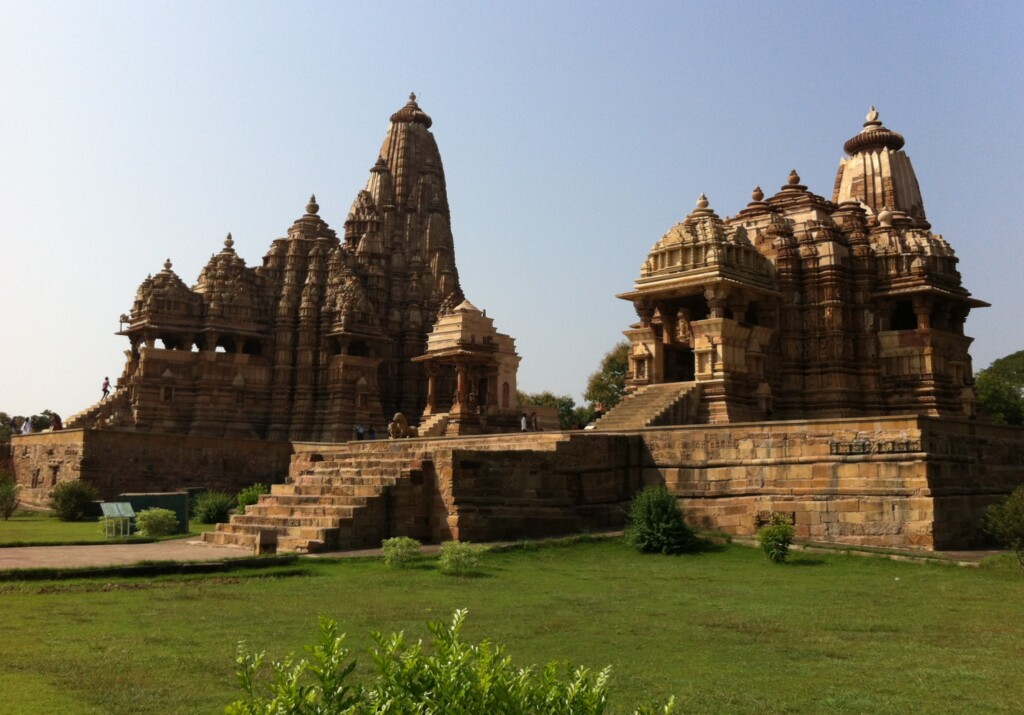
The Khajuraho Temples stand as a testament to the artistic prowess and spiritual depth of ancient India. Nestled in the heart of Madhya Pradesh, this sacred site draws pilgrims and visitors alike, eager to witness the intricate artistry and divine atmosphere that permeates the air. These temples hold a special place in the hearts of devotees, being dedicated to a pantheon of revered deities, including Lord Shiva, Lord Vishnu, and the Jain Tirthankaras. The profound spiritual energy found within these walls invites contemplation and devotion, making it a cherished destination for those seeking a deeper connection with the divine.
As a UNESCO World Heritage Site, the Khajuraho Temples are not only significant for their spiritual offerings but also for their exceptional contributions to the cultural heritage of India. The site serves as a bridge between the past and present, allowing visitors to experience the rich tapestry of beliefs and traditions that have flourished in this region over the centuries. With only 25 of the originally 85 temples remaining, each structure is a reminder of the grandeur of a bygone era, where faith and art harmoniously intertwined.
The history of the Khajuraho Temples is intricately linked to the Chandela dynasty, who ruled from the 9th to the 11th centuries. During this period, a remarkable burst of creativity and architectural innovation emerged, resulting in the construction of these magnificent temples between 950 and 1050 AD. The Chandela kings were not only patrons of architecture but also devout followers of both Hinduism and Jainism, which is reflected in the diverse range of temples dedicated to various deities found within the complex.
Over time, the temple complex became a vibrant center of worship and cultural exchange, attracting artisans, scholars, and devotees from far and wide. The temples flourished until the decline of the Chandela dynasty, after which they fell into obscurity, hidden by the encroaching jungle and neglect. Rediscovered in the 19th century, these temples began to gain recognition for their architectural brilliance and intricate carvings, ultimately leading to their designation as a UNESCO World Heritage Site in 1986.
The architectural style of the Khajuraho Temples is a remarkable blend of intricate craftsmanship and spiritual symbolism. Constructed primarily from sandstone, these temples showcase a variety of styles, categorized into three main groups: Western, Eastern, and Southern. Each group features distinct characteristics, yet they all share a common theme of devotion expressed through their stunning sculptures and carvings.
One of the most notable structures within this sacred site is the Kandariya Mahadeva Temple, which stands as the tallest temple at 31 meters. Its towering spires, adorned with exquisite figures that depict celestial beings and human emotions, exemplify the zenith of architectural excellence of its time. The attention to detail in every carving and the harmonious proportions of the structures create a visual feast that captivates the hearts of all who visit.
The Khajuraho Temples hold profound religious significance for devotees, drawing visitors who seek to honor the divine and connect with the spiritual essence of the site. The temples are not just architectural marvels; they are sacred spaces where the divine manifest in various forms, offering a sense of peace and transcendence. Legends surrounding the temples often speak of divine love and desire, reflecting the human experience in its myriad forms, which are celebrated through the intricate erotic carvings that adorn many of the structures.
Devotees come to these sacred grounds to engage in rituals and prayers, seeking blessings and guidance from the deities worshipped here. The temples serve as a reminder of the rich tapestry of beliefs that coexist within Indian spirituality, fostering a sense of unity among diverse traditions. The atmosphere is imbued with a deep reverence, making each visit a transformative experience.
The Khajuraho Temples come alive during major annual festivals, drawing crowds of devotees and tourists who partake in vibrant celebrations. One of the most significant events is the Khajuraho Dance Festival, held each February, where classical dancers from across the nation perform against the magnificent backdrop of the temples. This festival not only showcases the rich cultural heritage of India but also celebrates the divine through art, uniting the spiritual with the aesthetic.
During other festivals dedicated to the deities, the air is filled with the sounds of chanting and the fragrance of incense as devotees engage in rituals that honor the divine. Expect to witness elaborate processions, colorful decorations, and a palpable sense of joy as the community comes together in devotion. These celebrations not only enrich the spiritual atmosphere of the temples but also strengthen the bonds between devotees, creating a vibrant tapestry of faith and tradition.
There are no reviews yet.
Worth ₹2,000 — 100% FREE
Already have an account? Log in
