
Kashi Vishwanath Temple
- Kashi Vishwanath Temple, Varanasi, Uttar Pradesh, India
- April 22, 2026


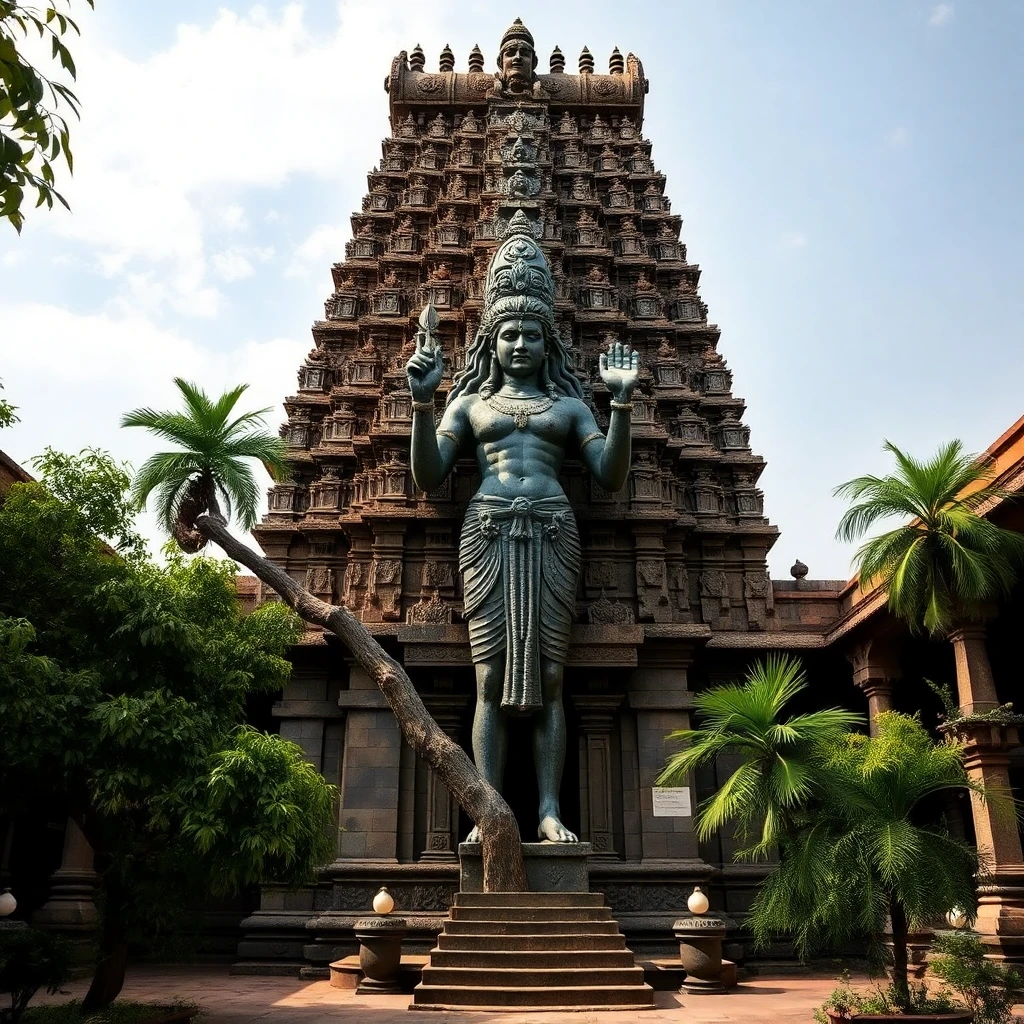
| Main Deity | Lord Shiva (Ekambareswarar) |
|---|---|
| Location | Kanchipuram, Tamil Nadu, India |
| Temple Timings | 6:00 AM – 12:30 PM; 4:00 PM – 8:30 PM |
| Entry Fee | Free |
| Best Time to Visit | October-March; Maha Shivaratri; Panguni Uthiram |
| Significance | Pancha Bhuta Stala (Earth element); 3500-year-old sacred mango tree |
Located in the heart of Kanchipuram, the Ekambareswarar Temple stands as a testament to the rich spiritual heritage of India. This sacred site is dedicated to Lord Shiva, specifically as Ekambareswarar, a manifestation that embodies the earth element, one of the five fundamental aspects of existence as represented in the Pancha Bhuta Stalas. For devotees and pilgrims alike, the temple is not just a place of worship; it is a sanctuary where the divine presence is palpably felt, offering solace and spiritual rejuvenation.
The temple is revered not only for its spiritual significance but also for its historical legacy. With roots that trace back over a thousand years, it serves as a focal point for the community, drawing countless visitors who seek blessings and wisdom from Lord Shiva. The enduring faith and devotion of the people have made this site a symbol of resilience and continuity in India’s spiritual landscape.
The origins of this sacred site are shrouded in antiquity, with references dating back to the 6th century CE, although its significance has grown over the centuries. One of the notable periods in its history was during the reign of the Vijayanagara Empire in the 16th century when it was greatly expanded by the illustrious ruler Krishnadeva Raya. His contributions included elaborate enhancements to the temple complex, which not only increased its grandeur but also solidified its status as a vital center for Shaivism.
Throughout its history, the temple has witnessed the ebb and flow of dynasties, each leaving their mark on its structure and cultural significance. The temple’s association with various saints and scholars further enriches its legacy, as it has become a place where philosophy, art, and spirituality converge, fostering a deep sense of community among its devotees.
The architectural splendor of this sacred site is truly magnificent, characterized by the traditional Dravidian style which showcases intricate carvings and towering gopurams, or entrance towers. The tallest of these, standing at an impressive 58 meters, dominates the skyline of Kanchipuram and serves as a beacon for pilgrims approaching the temple. Each gopuram is adorned with sculptures that narrate tales from Hindu mythology, inviting onlookers to delve deeper into the stories encapsulated within.
One of the temple’s most distinctive features is the sacred mango tree located within its precincts, believed to be around 3,500 years old. This ancient tree, with its four branches symbolizing the four Vedas, is not only a natural wonder but also a spiritual emblem, representing the eternal wisdom of the scriptures. The fusion of nature and architecture here creates a serene atmosphere, allowing visitors to connect with the divine and reflect on the deeper meanings of existence.
The temple holds profound religious significance for devotees who seek spiritual fulfillment and guidance from Lord Shiva. As a representation of the earth element, it serves as a reminder of the grounding force of nature and the interconnectedness of all life. Numerous legends and stories associated with this sacred site further enhance its allure, drawing pilgrims from near and far who come to offer their prayers and seek blessings.
Among the many tales is the story of the divine marriage of Shiva and Parvati, which is said to have taken place here, adding to its sanctity. The spiritual ambiance created by centuries of devotion reverberates within the temple walls, allowing visitors to immerse themselves in the divine energy that has been cultivated through generations.
The temple is abuzz with activity during various festivals and celebrations, reflecting the vibrant traditions of Hindu culture. One of the major annual events is the Brahmotsavam, a grand festival that attracts thousands of devotees. During this time, elaborate rituals are performed, and the deity is taken in a procession, accompanied by music, dance, and fervent prayers, creating an atmosphere of joy and devotion.
Additionally, the Shivaratri festival holds a special place in the hearts of devotees who participate in all-night vigils and prayers, seeking the blessings of Lord Shiva. Visitors to the temple during these festive occasions can expect a rich tapestry of rituals and vibrant celebrations that embody the spirit of community and devotion.
There are no reviews yet.
Worth ₹2,000 — 100% FREE
Already have an account? Log in
