
Kashi Vishwanath Temple
- Kashi Vishwanath Temple, Varanasi, Uttar Pradesh, India
- April 22, 2026


| Main Deity | Lord Shiva (Nataraja – Lord of Dance) and Sivakami |
|---|---|
| Location | Chidambaram, Cuddalore, Tamil Nadu, India |
| Temple Timings | 5:00 AM – 12:30 PM; 4:00 PM – 10:00 PM |
| Entry Fee | Free |
| Best Time to Visit | October-April; Natyanjali festival (Feb-Mar) |
| Significance | Pancha Bhuta Stala (Akasha/Sky element); center of Bharatanatyam dance tradition |
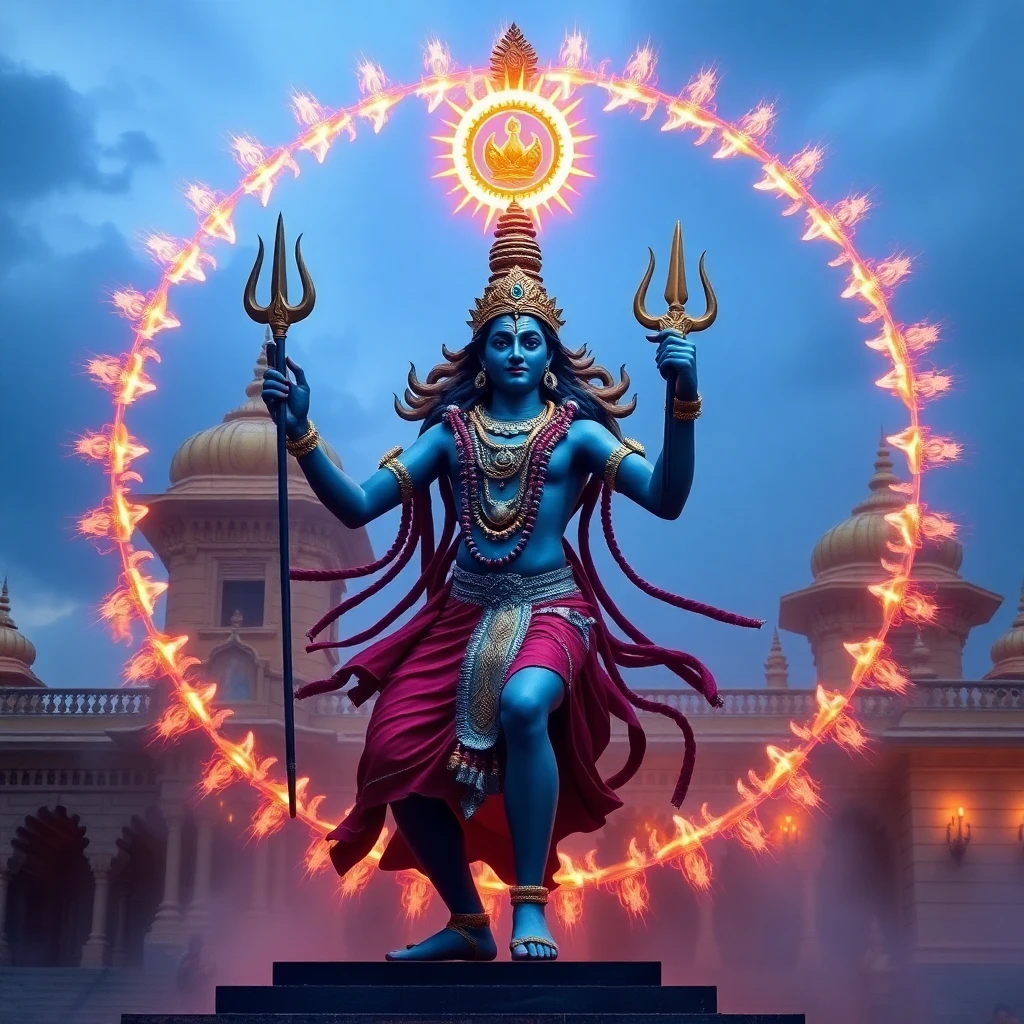
Nestled in the vibrant town of Chidambaram in Tamil Nadu, this sacred site is a beacon of spiritual energy, dedicated to Lord Shiva in his mesmerizing form as Nataraja, the cosmic dancer. Revered for its deep-rooted spiritual significance, the temple is not merely a place of worship but a living testament to the rich tapestry of Indian spirituality and culture. It serves as a pilgrimage destination for countless devotees, who come to experience the divine presence and partake in the rituals that have been practiced for centuries.
The temple stands as one of the Pancha Bhuta Stalas, representing Akasha, or the ether, reflecting the belief that the divine manifests in various forms throughout the universe. Its significance is further enriched by the intriguing concept of Chidambara Rahasyam, a hidden truth that symbolizes the invisible aspect of Shiva, illustrating the deeper mysteries of existence and spirituality.
The origins of this revered temple can be traced back to ancient times, with its roots extending into the 7th century, making it one of the oldest temples in India. It has been a major pilgrimage center, attracting devotees and seekers alike. Various dynasties, including the Cholas and the Pandavas, played a pivotal role in the temple’s development, contributing to its architectural grandeur and spiritual legacy.
Throughout history, this sacred site has witnessed significant events, including the patronage of great saints like Manikkavacakar, who composed devotional hymns celebrating Lord Shiva. The temple has endured the test of time, withstanding invasions and changes, yet retaining its sanctity and purpose as a place of worship. Managed by hereditary Deekshitar priests, the temple continues to uphold ancient traditions while adapting to the needs of contemporary worshippers.
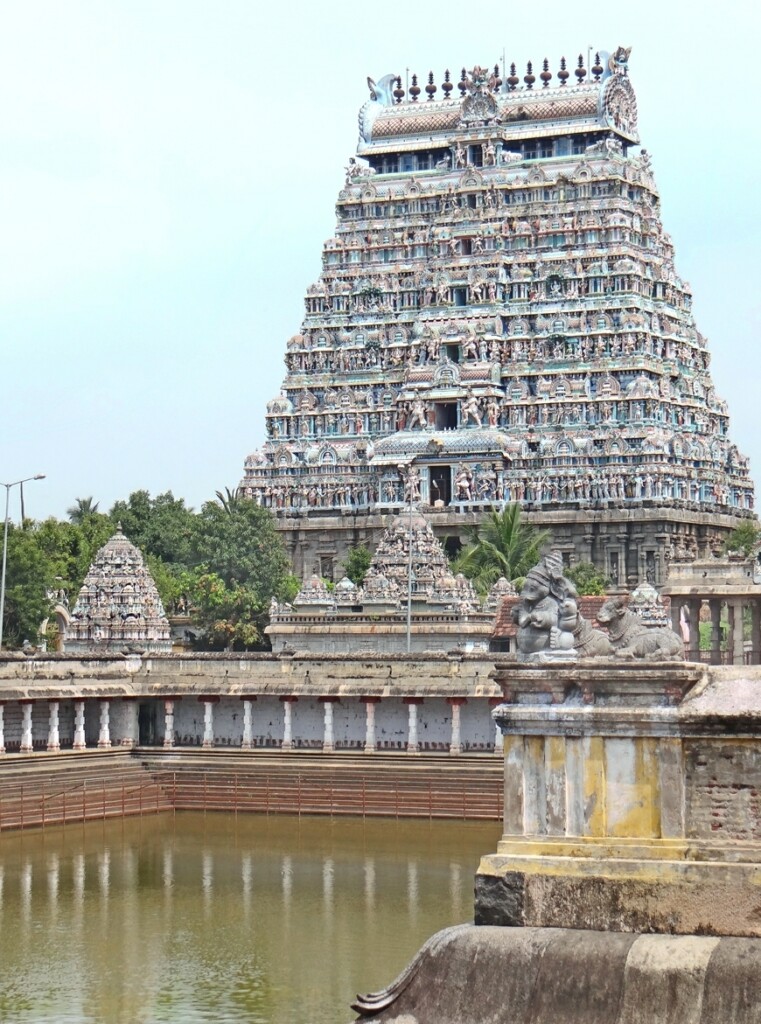
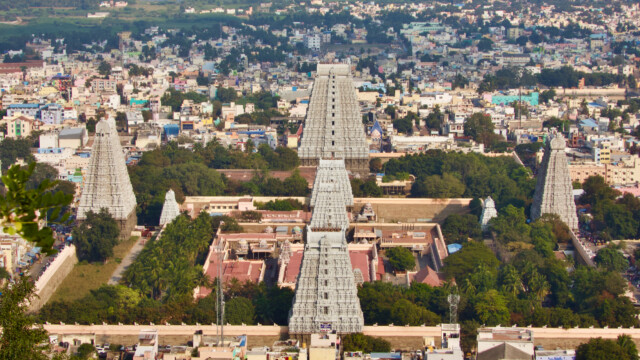
The architectural style of this sacred site is a magnificent representation of traditional Dravidian design, characterized by intricate carvings and towering gopurams (gateway towers). Each element of the temple’s structure is imbued with profound symbolism, reflecting the cosmic dance of creation and destruction embodied by Lord Shiva. The main sanctum houses the unique representation of Shiva, which is said to be invisible, further elevating the mystery and allure that surrounds the temple.
Visually, the temple captivates with its grandeur and detail; from the ornate sculptures depicting various deities to the serene beauty of the temple courtyards, every corner invites contemplation and reverence. The overall harmony of design and the vibrant colors of the temple’s artwork create an atmosphere that resonates with the divine energy of the cosmos.
This sacred site holds immense significance for devotees, who arrive seeking blessings, spiritual enlightenment, and a deeper connection with the divine. Legends abound regarding the temple, including tales of divine dances performed by Nataraja, which are believed to restore cosmic order. Such narratives enhance the temple’s reputation as a center of spiritual awakening and transformation.
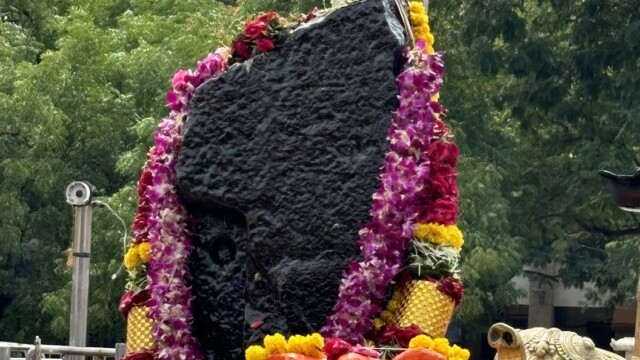
The invisible representation of Shiva—the essence of Akasha—serves as a powerful reminder of the unseen forces at work in the universe. This secret, known as Chidambara Rahasyam, invites devotees to explore the deeper meanings of existence and encourages them to embrace the spiritual journey that goes beyond the physical realm.
The temple is alive with vibrant festivities throughout the year, with major annual celebrations drawing in thousands of pilgrims. One of the most significant events is the Natyanjali Festival, which honors the divine dance of Shiva and features classical dance performances by artists from all over the country. This festival embodies the rich cultural heritage of the region, merging spirituality with artistic expression.
During these celebrations, devotees partake in elaborate rituals and processions, witnessing the temple adorned in resplendent decorations. The atmosphere is electrifying, filled with the sounds of music, chanting, and the joyful reverberations of dance, creating an immersive spiritual experience that resonates deeply within the hearts of all who attend.
There are no reviews yet.
Worth ₹2,000 — 100% FREE
Already have an account? Log in
