
Kashi Vishwanath Temple
- Kashi Vishwanath Temple, Varanasi, Uttar Pradesh, India
- April 22, 2026


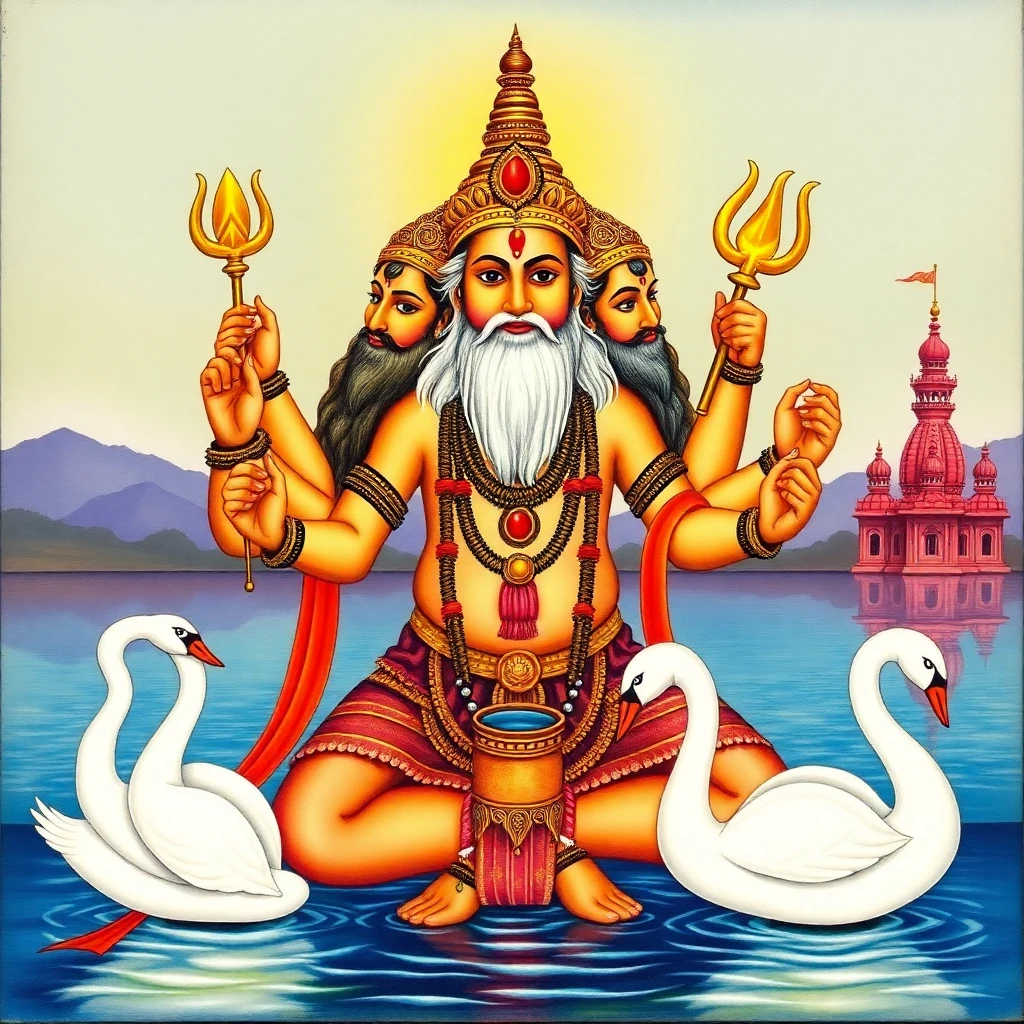
| Main Deity | Lord Brahma (Creator deity) with Goddess Gayatri |
|---|---|
| Location | Pushkar, Ajmer, Rajasthan, India |
| Temple Timings | 6:30 AM – 8:30 PM (winter); 6:00 AM – 9:00 PM (summer) |
| Entry Fee | Free |
| Best Time to Visit | October-February; Kartik Purnima (November) |
| Significance | One of very few Brahma temples in the world; one of 5 sacred Hindu Dhams |
Nestled in the serene town of Pushkar in Rajasthan, this sacred site is one of the few temples in the world dedicated to Lord Brahma, the creator deity in Hindu belief. It stands as a beacon of spiritual significance, drawing countless devotees and pilgrims who seek blessings and divine guidance. The temple is not just a structure; it embodies the essence of faith and devotion, offering a space for reflection and connection with the divine.
Visitors are captivated by the temple’s vibrant atmosphere, especially during the auspicious Kartik Purnima festival, which attracts thousands seeking to immerse themselves in its sanctity. The presence of Goddess Gayatri alongside Lord Brahma adds to the temple’s spiritual depth, emphasizing the harmony of creation and wisdom in Hindu philosophy.
The origins of this revered temple trace back to ancient times, although the current structure was established in the 14th century. It is believed to have been built on the site of a much older temple, underscoring a long-standing tradition of worship at this location. Throughout the ages, various dynasties have contributed to its upkeep and reverence, solidifying its place as one of the five most sacred Hindu sites in the world.
As the centuries unfolded, the temple witnessed significant events that shaped its legacy. The kings of Rajasthan and other regions patronized the temple, ensuring its prominence in the cultural and spiritual fabric of the area. Key moments in history, such as the consolidation of faith during the Mughal era, highlighted the temple’s resilience and continued importance in the hearts of devotees.
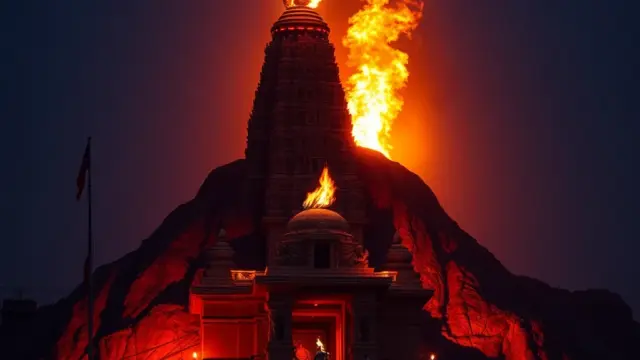
The architectural style of this temple is a striking blend of traditional Rajasthani design, characterized by its distinct red pinnacle and blue-painted pillars that create a vivid and inviting atmosphere. As one approaches the temple, the intricate carvings and ornate details become apparent, reflecting the artistic skills of the craftsmen who dedicated their talents to this divine abode.
One of the most notable features is the sanctum sanctorum, where the idol of Lord Brahma is housed, radiating a sense of peace and reverence. The overall layout of the temple, with its spacious courtyards and serene ambiance, invites visitors to pause and contemplate, making it a truly unique spiritual haven.
This sacred site holds immense religious significance for devotees who come from far and wide to pay homage to Lord Brahma. It is believed that worshipping here can cleanse the soul and lead to spiritual liberation. Legends surrounding the temple speak of Brahma’s role in the creation of the universe and the importance of the Pushkar lake, which is said to have emerged from the tears of Lord Brahma.
The convergence of myths and beliefs enhances the temple’s allure, making it a pilgrimage destination for those seeking blessings, particularly for marital harmony and fulfillment of desires. The serene atmosphere, infused with spirituality, offers a space for devotion and introspection, allowing visitors to connect deeply with their faith.
Among the vibrant celebrations held at this temple, the Kartik Purnima festival stands out as a highlight, attracting thousands of pilgrims who gather to partake in rituals and offer prayers. This festival, which occurs in October or November, is marked by night-long vigil, chanting, and the lighting of lamps, transforming the temple into a mesmerizing spectacle of devotion and faith.
Additionally, the Pushkar Camel Fair, held annually, coincides with the festival and brings together a unique blend of commerce and spirituality. Visitors can expect to witness cultural performances, traditional music, and the lively atmosphere that permeates the town. The festivities create an enriching experience, allowing devotees to engage not only in spiritual practices but also in the vibrant cultural tapestry of Rajasthan.
There are no reviews yet.
Worth ₹2,000 — 100% FREE
Already have an account? Log in
