
Kashi Vishwanath Temple
- Kashi Vishwanath Temple, Varanasi, Uttar Pradesh, India
- April 22, 2026


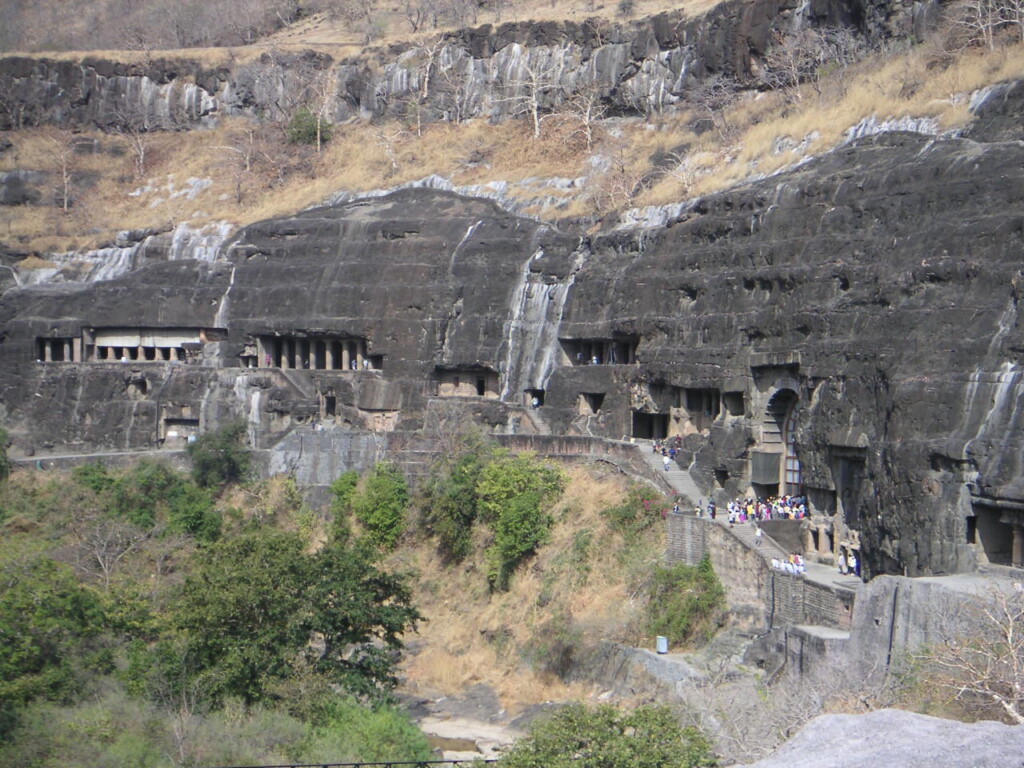

| Main Deity | Gautama Buddha and Bodhisattvas |
|---|---|
| Location | Ajanta, Aurangabad, Maharashtra, India |
| Temple Timings | 9:00 AM – 5:30 PM (closed Mondays) |
| Entry Fee | INR 40 (Indians/SAARC); INR 600 (foreigners) |
| Best Time to Visit | November-March |
| Significance | UNESCO World Heritage Site (1983); finest example of ancient Buddhist art |
Nestled in the serene landscape of Maharashtra, the Ajanta Caves are a remarkable ensemble of ancient rock-cut temples that hold profound spiritual significance for Buddhists and art enthusiasts alike. These caves, adorned with exquisite murals and sculptures, serve as a testament to the artistic and architectural prowess of ancient India. As a UNESCO World Heritage Site, this sacred site draws visitors from across the globe, inviting them to immerse themselves in the rich tapestry of Buddhist history and culture.
The spiritual essence of the temple extends beyond its stunning visuals; it is a place where the teachings of Gautama Buddha come to life through art. The vivid depictions of the Buddha’s life and the Jataka tales resonate deeply with devotees and seekers of wisdom, offering insights into the path of enlightenment. This sacred site is not just a repository of art but a living testament to the enduring legacy of Buddhism in India.
The history of the Ajanta Caves dates back to the 2nd century BCE, with construction spanning several centuries until approximately the 6th century CE. Initially created as monastic retreats for Buddhist monks, these caves represent the flourishing of Buddhism in ancient India. The early caves were commissioned during the reign of the Satavahana dynasty, while the later caves were sculpted under the Vakataka dynasty, reflecting the cultural and religious evolution of the period.
Rediscovered in 1819 by a British officer named John Smith, the caves had remained hidden for centuries beneath the dense forests of Maharashtra. This remarkable discovery unveiled a treasure trove of Buddhist art and architecture, capturing the imagination of historians and art lovers alike. The caves provide invaluable insights into the socio-religious milieu of ancient India, showcasing the integration of spirituality and artistry that characterized the era.
The architectural design of the caves is a stunning example of rock-cut architecture, featuring intricate carvings and detailed sculptures that showcase the skill of ancient artisans. Each cave is unique, with some serving as prayer halls, known as chaityas, while others functioned as monastic quarters or viharas. The caves are adorned with intricate pillars, elaborate reliefs, and stunning frescoes that depict various scenes from the life of the Buddha and the Jataka tales, revealing the depth of spiritual narratives intertwined with artistic expression.
What truly sets the temple apart is the vibrant quality of the murals, created using natural pigments that have remarkably withstood the test of time. The dynamic compositions and expressive figures invite viewers to contemplate the teachings of Buddhism, making this sacred site not just a visual feast but also a spiritual journey. The harmonious blend of art and architecture creates an atmosphere that encourages reflection and devotion.
For devotees, the Ajanta Caves hold immense religious significance as a pilgrimage site where they can connect with the teachings of Gautama Buddha. The stories depicted in the caves serve as moral lessons, guiding followers on their spiritual journey. Legends associated with the caves further enhance their sacred aura, with many believing that the site is imbued with the presence of enlightened beings who continue to inspire and guide seekers of truth.
The temple is not merely a collection of ancient rocks but a living embodiment of Buddhist philosophy, attracting those seeking solace, understanding, and spiritual growth. Visitors often find themselves captivated by the serene atmosphere, which fosters contemplation and encourages a deeper connection to the teachings of Buddhism.
The Ajanta Caves come alive during various festivals and celebrations, drawing devotees who seek to honor the teachings of the Buddha. Major annual events often include the celebration of Buddha Purnima, which marks the birth, enlightenment, and death of Gautama Buddha. During this auspicious occasion, devotees engage in prayers, meditation, and rituals that honor the Buddha’s life and teachings, creating a vibrant atmosphere of devotion and reverence.
Visitors can expect to witness special ceremonies that take place within the caves, including chanting and offerings made by monks and lay practitioners alike. The sacredness of the site is palpable during these gatherings, as the community comes together to celebrate their shared beliefs and to reflect on the profound wisdom imparted by the Buddha. These festivities not only enrich the spiritual experience but also strengthen the bonds among those who come to honor the teachings of this remarkable tradition.
There are no reviews yet.

Worth ₹2,000 — 100% FREE
Already have an account? Log in
