
Kashi Vishwanath Temple
- Kashi Vishwanath Temple, Varanasi, Uttar Pradesh, India
- April 22, 2026


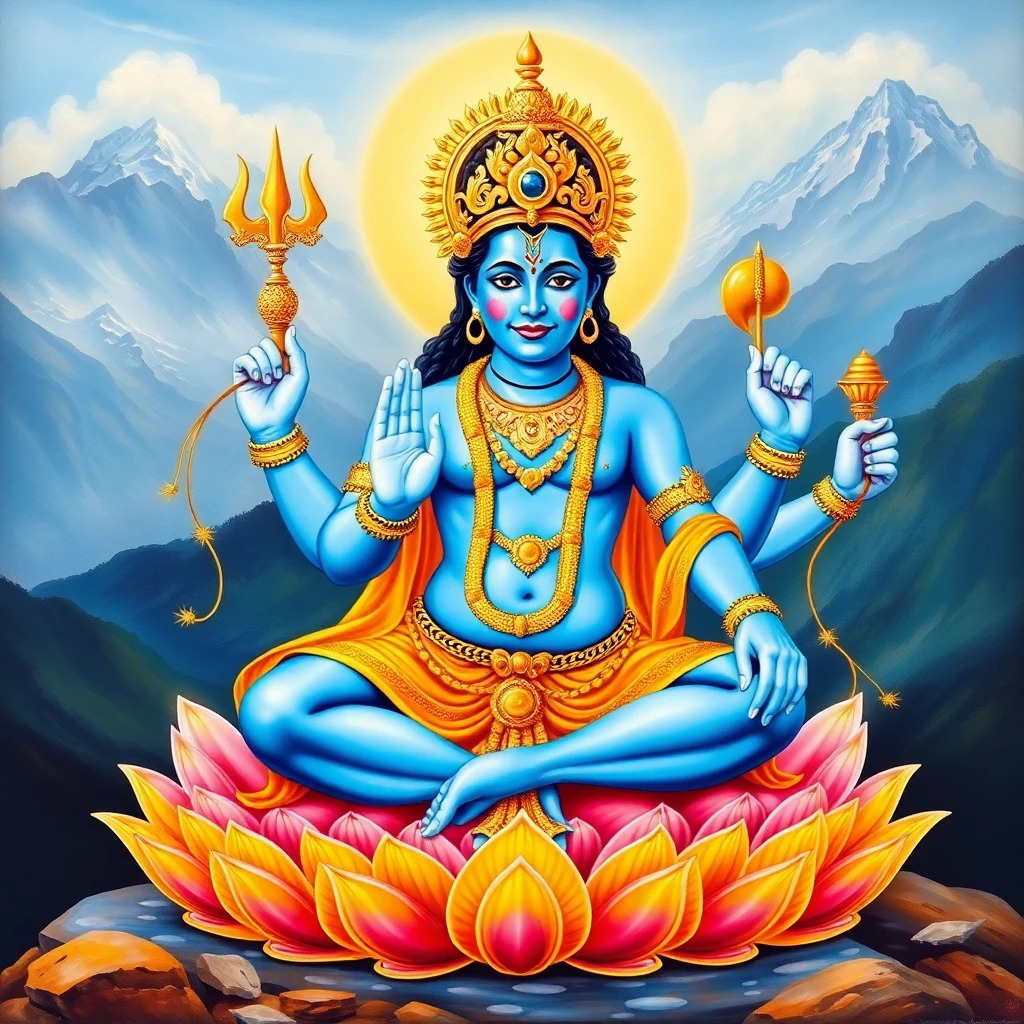
| Main Deity | Lord Vishnu (Badrinarayan) |
|---|---|
| Location | Chamoli, Badrinath, Uttarakhand, India |
| Temple Timings | 4:30 AM – 9:00 PM (May-November) |
| Entry Fee | Free |
| Best Time to Visit | May-June; September-October |
| Significance | Char Dham; Panch Badri; 108 Divya Desam |
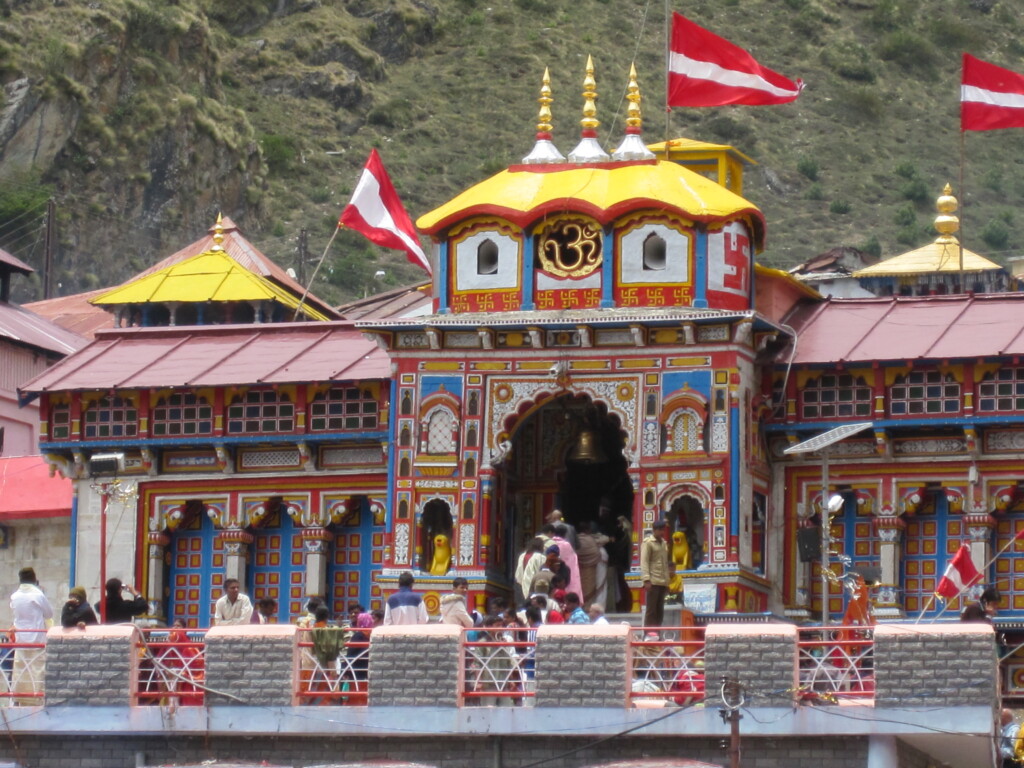
Nestled in the serene landscape of Uttarakhand, the temple stands as a beacon of devotion and spirituality, dedicated to Lord Vishnu, revered here as Badrinarayan. This sacred site is not only one of the revered Char Dham pilgrimage locations but also a testament to the deep-rooted spiritual heritage of India. Perched at an elevation of 3,133 meters along the banks of the Alaknanda River, it draws countless pilgrims and seekers of peace, who come to immerse themselves in its divine ambiance and the healing energy of the surrounding mountains.
The temple’s significance extends beyond its physical presence; it serves as a poignant reminder of the eternal bond between the divine and the earthly realm. For many, the journey to this hallowed ground is a transformative experience, fostering a profound connection with the divine and offering solace amidst life’s tribulations. The temple remains accessible for six months each year, welcoming devotees and travelers to partake in its sacred rituals and the rejuvenating atmosphere of the Himalayas.
The origins of this temple are steeped in rich history, with roots tracing back to ancient times when it was initially a Buddhist shrine. The spiritual landscape began to shift in the 8th century when the philosopher and saint Adi Shankaracharya played a pivotal role in re-establishing Hindu worship at this site. Under his guidance, the temple was transformed into a significant center of Hindu spirituality, marking a turning point in the region’s religious identity.
The structure we see today was erected in the 16th century by the Kings of Garhwal, who contributed to its grandeur and prominence. Over the centuries, the temple has witnessed various renovations and restorations, each adding to its rich legacy. This historical evolution reflects the resilience of faith and the enduring devotion of the countless pilgrims who have visited over the ages.
The temple’s architecture is a harmonious blend of traditional Himalayan styles and intricate craftsmanship, making it visually striking against the backdrop of towering mountains. Its façade is adorned with vibrant colors and carvings that depict various deities and motifs from Hindu mythology, inviting visitors to delve deeper into its artistic beauty. The temple’s sanctum, which houses the idol of Lord Badrinarayan, exudes an aura of tranquility and reverence, drawing the gaze and hearts of devotees.
One of the most distinctive features of this sacred site is its pyramid-shaped roof, a hallmark of Himalayan temple architecture, which not only enhances its aesthetic appeal but also symbolizes the convergence of the earthly and the celestial. The temple’s location, coupled with its architectural elegance, creates a captivating atmosphere that resonates with the spiritual energy of the Himalayas, making it a truly unique pilgrimage destination.
Devotees flock to this temple not only for its spiritual allure but also for the legends and stories woven into its fabric. One of the most cherished tales is that of Lord Vishnu meditating here to escape the turmoil of the world, which imbues the site with profound sacred significance. Pilgrims believe that visiting this revered location can bring about spiritual liberation and a deeper understanding of their connection to the divine.
The temple also serves as a reminder of the importance of devotion and surrender in the path of spirituality. The serene environment encourages introspection and prayer, allowing visitors to experience a sense of peace that transcends the ordinary. The presence of the Tapt Kund hot springs nearby, with their healing properties, further enhances the spiritual experience, inviting devotees to cleanse not only their bodies but also their souls.
The temple comes alive with vibrant celebrations, particularly during the annual festivals that attract thousands of devotees from far and wide. One of the most significant events is the opening ceremony, which marks the commencement of the temple’s six-month season. This auspicious occasion is filled with rituals, chanting, and traditional music, creating an atmosphere of joy and devotion as the idol of Lord Badrinarayan is ceremoniously brought out for worship.
Another major festival is the Badri Kedar Utsav, celebrated with great enthusiasm, where various cultural programs, devotional songs, and dances take center stage, showcasing the rich heritage of the region. These festivals not only strengthen the bonds of community among pilgrims but also serve as a reminder of the enduring legacy of faith and the importance of celebrating spirituality in everyday life.
There are no reviews yet.
Worth ₹2,000 — 100% FREE
Already have an account? Log in
