
Kashi Vishwanath Temple
- Kashi Vishwanath Temple, Varanasi, Uttar Pradesh, India
- April 22, 2026


| Main Deity | Lord Rishabhdeo, Neminath, Mahavira (Jain Tirthankaras) |
|---|---|
| Location | Mount Abu, Rajasthan, India |
| Temple Timings | 6:00 AM – 12:00 PM (Jain pilgrims); 12:00 PM – 5:00 PM (tourists) |
| Entry Fee | Free |
| Best Time to Visit | October-March |
| Significance | Among finest examples of Jain architecture |
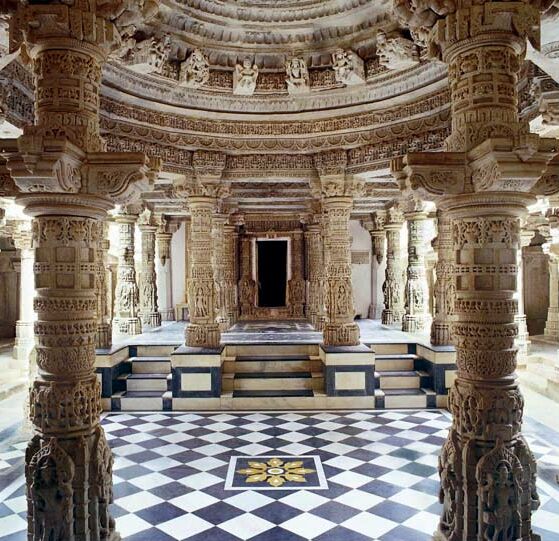
Nestled amidst the serene hills of Mount Abu in Rajasthan, this sacred site is a remarkable complex of five Jain temples that captures the essence of Jain spirituality and artistry. Renowned for its exquisite marble carvings and intricate sculptures, the temples are dedicated to revered Tirthankaras such as Lord Rishabhdeo, Neminath, and Mahavira. The spiritual atmosphere here is palpable, inviting devotees and visitors alike to immerse themselves in contemplation and reverence.
These temples stand as a testament to the rich cultural heritage of Jainism, making them not only places of worship but also hubs of artistic expression and historical significance. The serene environment, coupled with the stunning craftsmanship, creates a unique space where spirituality and art converge, drawing pilgrims from all walks of life who seek divine blessings and inspiration.
The Dilwara Jain Temples were constructed between the 11th and 13th centuries, a period marked by the remarkable patronage of the Jain community in the region. The earliest temple, Vimal Vasahi, was completed in 1031 AD under the guidance of Vimal Shah, a minister of the Solanki dynasty. This initiative laid the foundation for the architectural splendor that the complex embodies today, showcasing the devotion and dedication of the artisans of that era.
Following this, the Luna Vasahi temple was completed in 1231 AD, further enhancing the site’s reputation. Over the years, various dynasties have contributed to the temple’s maintenance and embellishment, ensuring that its legacy endures. The temples not only reflect the evolution of Jain religious architecture but also serve as a chronicle of the historical and cultural influences that shaped the region during medieval times.
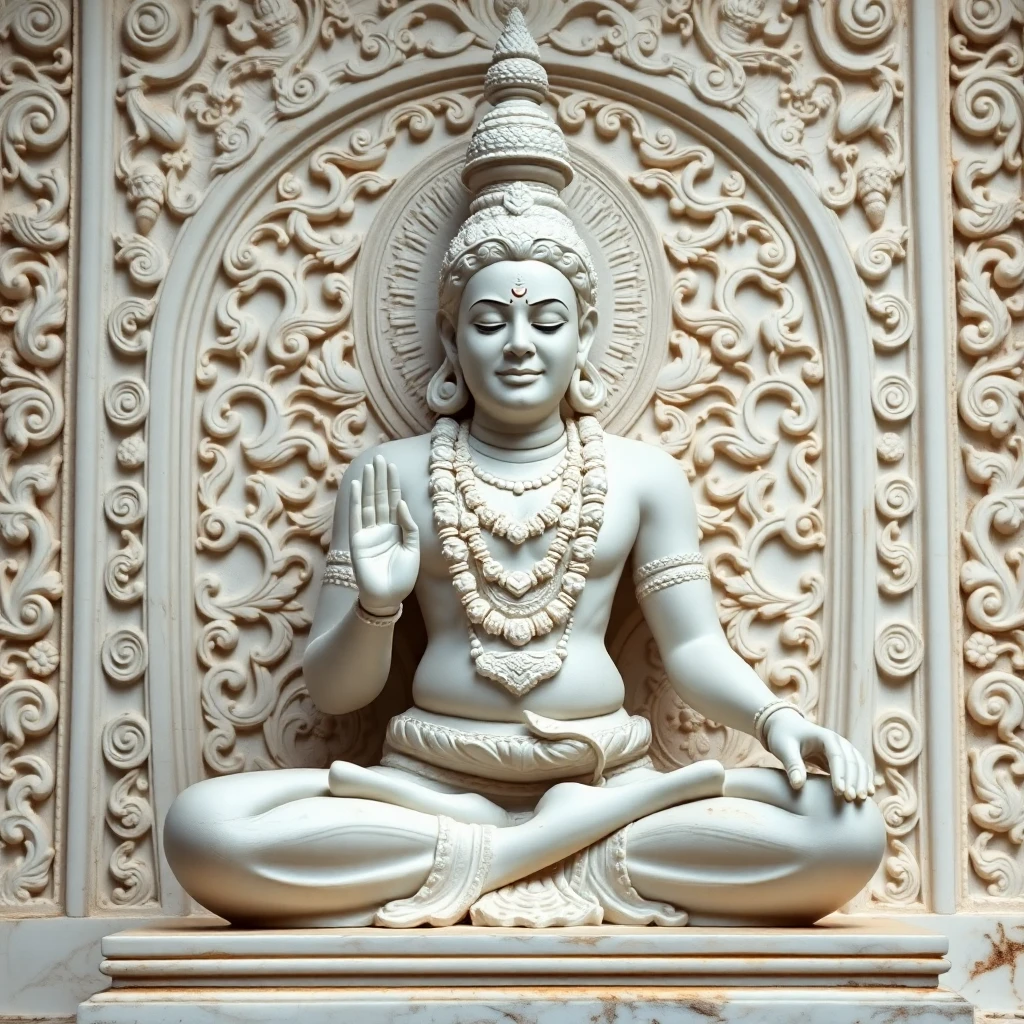
The architectural grandeur of this sacred site is nothing short of breathtaking. The temples are constructed using light-colored marble, adorned with intricate carvings that are so finely detailed they often resemble ivory. Each pillar, ceiling, and wall is a canvas of artistic mastery, depicting scenes from Jain mythology, celestial beings, and various motifs that convey a deep sense of spirituality.
What sets these temples apart is not only their artistic merit but also their harmonious design. The layout of the complex allows for an immersive experience, as visitors gradually encounter each temple’s unique offerings. The interplay of light and shadow within the marble interiors creates an ethereal ambiance, making each visit a transcendent experience for devotees and art enthusiasts alike.
This sacred site holds immense significance for devotees who visit to seek blessings, reflect on their spiritual journeys, and connect with the teachings of the Tirthankaras. Legends surrounding the temples enhance their allure; stories of miraculous events and divine interventions abound, further enriching the spiritual tapestry that envelops this place. The devotion expressed within these walls resonates deeply with the principles of Jainism, emphasizing non-violence, truth, and asceticism.
Visitors often find themselves captivated by the profound serenity that fills the air. The temples not only serve as places of worship but also as sanctuaries for meditation and introspection, allowing individuals to embark on their own spiritual quests amidst the beauty of their surroundings.
The Dilwara Jain Temples come alive during various annual festivals, which attract devotees from far and wide. Notable among these celebrations is Mahavir Jayanti, the birth anniversary of Lord Mahavira, the last Tirthankara. This auspicious day is marked by prayer, chanting, and various rituals that honor the teachings of Lord Mahavira, drawing large crowds who participate in the collective devotion.
Another significant event is the Paryushana festival, a time of reflection, fasting, and forgiveness observed by Jains. During this period, the temples resonate with prayers and chants, as devotees engage in spiritual practices aimed at purifying their souls. Visitors can expect to witness vibrant ceremonies, heartfelt devotion, and a palpable sense of community, making their experience at this sacred site truly unforgettable.
There are no reviews yet.

Worth ₹2,000 — 100% FREE
Already have an account? Log in
