
Kashi Vishwanath Temple
- Kashi Vishwanath Temple, Varanasi, Uttar Pradesh, India
- April 22, 2026


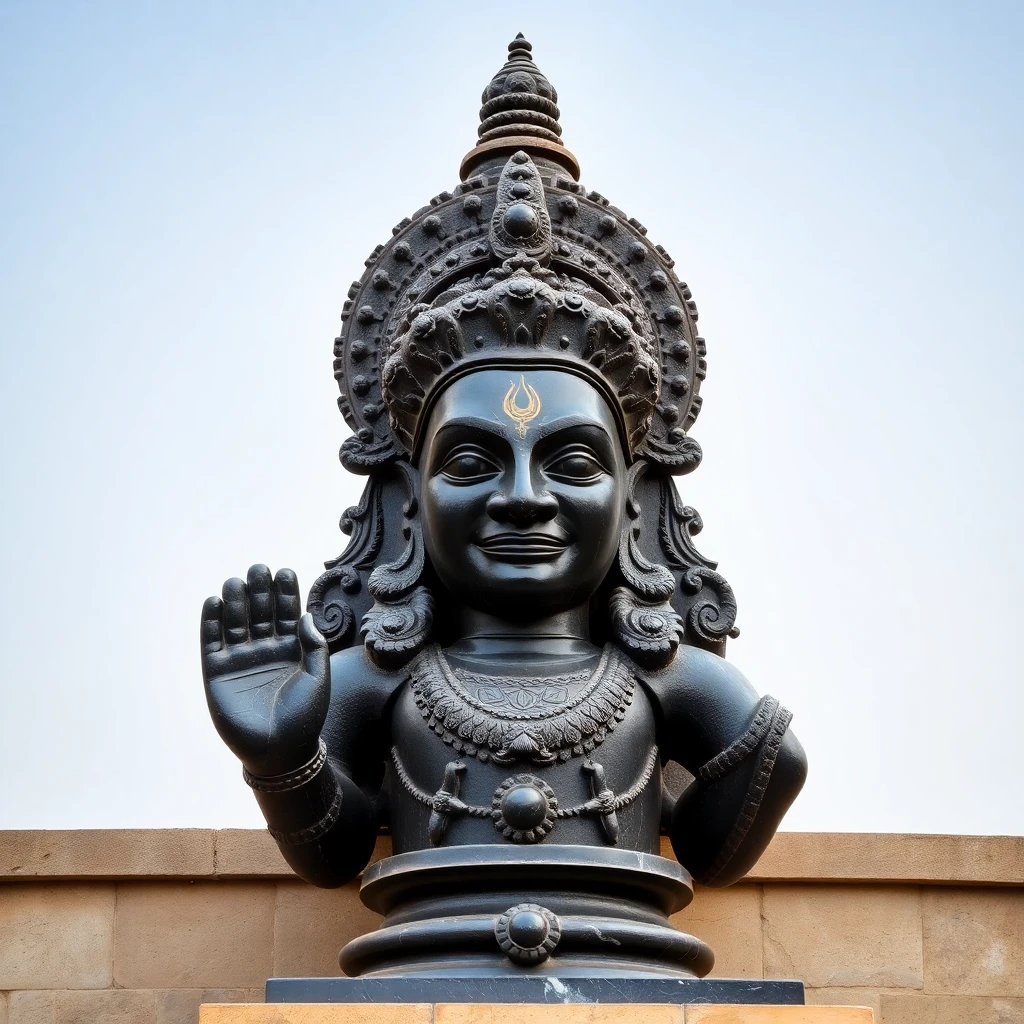
| Main Deity | Lord Shiva (Eklingji/Shiva as four-faced deity) |
|---|---|
| Location | Eklingji, Udaipur, Rajasthan, India |
| Temple Timings | 4:30 AM – 7:30 AM; 10:30 AM – 1:30 PM; 5:00 PM – 7:30 PM |
| Entry Fee | Free |
| Best Time to Visit | October-March; Maha Shivaratri |
| Significance | Family deity of Mewar royal family; 108 temples complex; founded 734 AD |
Nestled in the serene surroundings of Eklingji, near Udaipur in Rajasthan, this sacred site stands as a testament to the enduring devotion to Lord Shiva, revered here as Eklingji. The temple serves not only as a spiritual haven for countless devotees but also as the Kuladevta, or family deity, of the illustrious Mewar royal family. Its significance extends beyond mere worship, as it embodies the rich cultural and spiritual heritage of the region, drawing pilgrims and tourists alike who come to seek blessings and solace.
Visitors are often captivated by the tranquil atmosphere that envelops the temple complex, which houses a staggering 108 smaller shrines, each contributing to the divine ambiance. The main shrine features a striking four-faced black marble lingam, symbolizing the omnipresence of the divine and representing all four cardinal directions. This sacred site invites all who enter to experience a profound sense of peace and connection to the divine.
Founded by Bappa Rawal, the legendary figure credited with establishing the Mewar dynasty, this revered temple has been a focal point of worship and royal patronage since its inception. The temple’s origins can be traced back over 1,200 years, with the Mewar kings playing a pivotal role in its maintenance and expansion throughout the centuries. The sacred site has undergone several renovations and enhancements, each era leaving its mark while preserving the spiritual essence that draws devotees from far and wide.
Throughout its history, the temple has witnessed significant events, including the turbulent times of invasions and the steadfast devotion of the Mewar rulers. This unwavering commitment to the temple has ensured its survival and prominence as a spiritual beacon, reflecting the enduring legacy of the Mewar dynasty. The temple not only serves as a place of worship but also stands as a monument to the rich tapestry of history that characterizes this region of Rajasthan.
The architecture of this sacred site is a splendid reflection of the intricate artistry and craftsmanship that flourished during the time of the Mewar dynasty. The temple complex, adorned with exquisite carvings and sculptures, exemplifies the classic Rajasthani architectural style, characterized by its ornate detailing and harmonious proportions. Each shrine within the complex contributes to the overall aesthetic, creating a mesmerizing landscape that invites contemplation and reverence.
The main shrine, housing the revered four-faced lingam, is particularly striking. The black marble of the lingam, with its smooth surface and profound symbolism, draws the eye and evokes a sense of deep spirituality. As sunlight filters through the intricately carved stonework, it casts a gentle glow on the sacred space, enhancing the divine experience for every visitor who steps into this hallowed ground.
This sacred site holds immense religious significance for devotees who flock here in search of divine blessings and spiritual awakening. The worship of Lord Shiva in his four-faced form represents the unity of all aspects of existence, and devotees believe that offering prayers here can lead to the fulfillment of their deepest desires and aspirations. The temple is steeped in legends and lore, with many attributing miraculous events to the grace of Eklingji, further enhancing its allure and sanctity.
Moreover, the temple serves as a hub for community gatherings and spiritual discourse, fostering a sense of unity among those who visit. The presence of the Mewar royal family, who have upheld the traditions and rituals at this site, adds to its sacred importance, making it a cherished spiritual landmark that resonates deeply within the hearts of the people.
Throughout the year, the temple comes alive with vibrant celebrations and festivals that draw large crowds of devotees and visitors. Among the most significant is the Maha Shivaratri festival, dedicated to Lord Shiva, during which the temple is adorned with flowers, lights, and offerings. Devotees engage in night-long vigils and prayers, seeking the blessings of the deity and celebrating the cosmic dance of creation and destruction that Shiva embodies.
In addition to Maha Shivaratri, the temple hosts various other festivals that reflect the rich cultural traditions of the region. Rituals and ceremonies are conducted with great reverence, offering a glimpse into the spiritual fervor that permeates the air. Visitors can expect to witness enthusiastic processions, melodious devotional songs, and the shared joy of community worship, making each visit a memorable experience steeped in spirituality.
There are no reviews yet.
Worth ₹2,000 — 100% FREE
Already have an account? Log in
