
Kashi Vishwanath Temple
- Kashi Vishwanath Temple, Varanasi, Uttar Pradesh, India
- April 22, 2026



| Main Deity | Goddess Ganga |
|---|---|
| Location | Uttarkashi, Banks of Bhagirathi River, Uttarakhand, India |
| Temple Timings | Opens May; Closes November (Diwali) |
| Entry Fee | Free |
| Best Time to Visit | May-June; September-October |
| Significance | Part of Chota Char Dham Yatra; origin of the Ganges River |
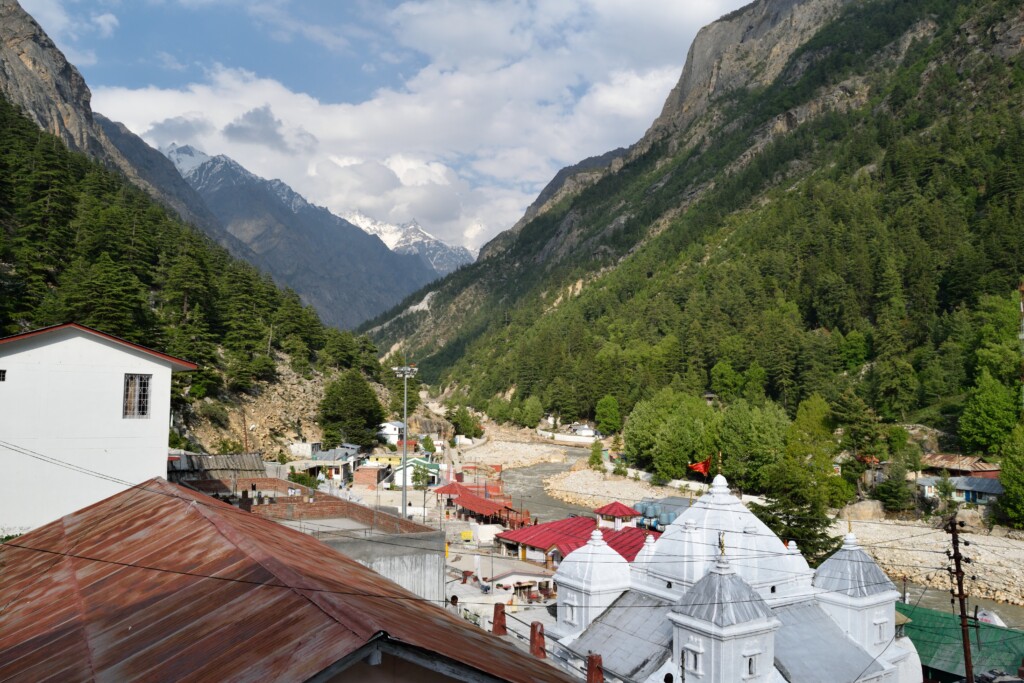
Nestled in the serene landscapes of Uttarkhand, this sacred site stands as a beacon of devotion and spiritual significance. Positioned at an elevation of 3,415 meters along the banks of the Bhagirathi River, it is revered as one of the revered stops in the Char Dham Yatra, a pilgrimage journey that holds immense importance for devotees across India. The temple is not just a physical structure; it embodies the eternal bond between humanity and the divine, where the waters of the Bhagirathi flow, believed to be the very essence of Goddess Ganga herself, offering solace and purification to countless souls.
The journey to this temple is as much a pilgrimage of the body as it is of the spirit. Many devotees undertake the challenging trek to reach this hallowed location, drawn by the promise of divine grace and the rejuvenating power of the Ganges. Each visit here is a chance to immerse oneself in the profound energies that this sacred site radiates, making it a transformative experience for all who seek its blessings.
The history of this temple is deeply intertwined with the legend of Goddess Ganga’s descent to Earth, a tale that resonates through the ages. It is believed that the temple was constructed in the 18th century by Amar Singh Thapa, a valiant general of the Gorkha dynasty. His efforts to establish this spiritual haven were a manifestation of devotion, aimed at honoring the sacred river that flows from the heavens to nourish the earth below. The region itself has been a significant pilgrimage site for centuries, drawing seekers and devotees who wish to connect with the divine.
As the years unfolded, this sacred site became not just a temple but a symbol of faith and resilience amidst the harsh Himalayan terrain. The temple’s strategic location near the Bhagirathi River and its proximity to the Gaumukh glacier, which is recognized as the true source of the Ganges, further accentuates its historical and spiritual importance. The trek from the temple to Gaumukh, approximately 18 kilometers, is undertaken by many pilgrims who wish to witness the origin of the holy river, completing their spiritual journey from the celestial to the terrestrial.
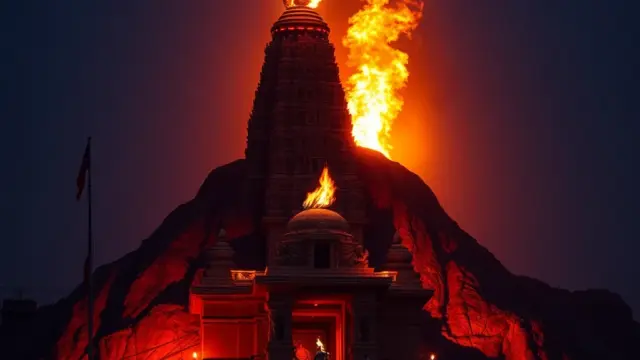
The architectural style of this sacred site reflects the rich cultural heritage of the region while harmonizing with the natural beauty surrounding it. Traditional Himalayan architecture is evident in the temple’s structure, characterized by its wooden beams and intricately carved elements that tell stories of devotion and artistry. The temple’s façade is adorned with vibrant murals and sculptures, depicting various deities and scenes from Hindu mythology, which invite visitors to reflect on the divine narratives that shape their faith.
One of the temple’s most striking features is its location, perched against the backdrop of majestic mountains and the flowing river, creating a picturesque panorama that enhances its spiritual atmosphere. The simplicity of its design, combined with the profound beauty of the location, fosters a sense of peace and reverence, inviting pilgrims to immerse themselves in the sacredness of the experience.
This sacred site holds a unique place in the hearts of devotees, who journey here seeking connection with the divine and a chance for spiritual renewal. It is believed that a visit to the temple can wash away sins and offer blessings from Goddess Ganga, who is revered as a symbol of purity and grace. The waters of the Bhagirathi are thought to possess miraculous properties, and many pilgrims engage in rituals involving the river, seeking healing and spiritual upliftment through their interaction with the sacred water.
Legends surrounding the temple add to its allure, with stories of the goddess descending to Earth to alleviate the burdens of humanity. Such narratives not only deepen the spiritual significance of this site but also inspire countless devotees to undertake the pilgrimage, believing that their efforts will be rewarded with divine grace and enlightenment. The temple stands as a testament to the enduring faith of millions, making it a focal point for spiritual seekers from all walks of life.
A vibrant tapestry of festivals and rituals flourishes at this sacred site, drawing devotees from near and far to partake in joyous celebrations. One of the major festivals celebrated here is the Ganga Dussehra, which marks the descent of the river goddess to Earth. During this time, the temple is adorned with flowers, and special prayers and rituals are conducted to honor the goddess. Devotees gather to participate in the festivities, immersing themselves in the spiritual atmosphere and the collective devotion that fills the air.
Another significant occasion is the annual Uttarakhand Mahotsav, which showcases the rich cultural heritage of the region through music, dance, and spiritual discourses. This celebration not only honors the divine but also fosters a sense of community among pilgrims, as they come together to celebrate their shared faith. Throughout the year, daily rituals and ceremonies are conducted, ensuring that the spirit of devotion remains alive and vibrant at this sacred site.
There are no reviews yet.
Worth ₹2,000 — 100% FREE
Already have an account? Log in
