
Kashi Vishwanath Temple
- Kashi Vishwanath Temple, Varanasi, Uttar Pradesh, India
- April 22, 2026


| Main Deity | Guru Granth Sahib (Waheguru) |
|---|---|
| Location | Amritsar, Punjab, India |
| Temple Timings | Open 24 hours |
| Entry Fee | Free |
| Best Time to Visit | October-November; Baisakhi (April) |
| Significance | Holiest Sikh shrine; world's largest free community kitchen (100,000 meals/day) |
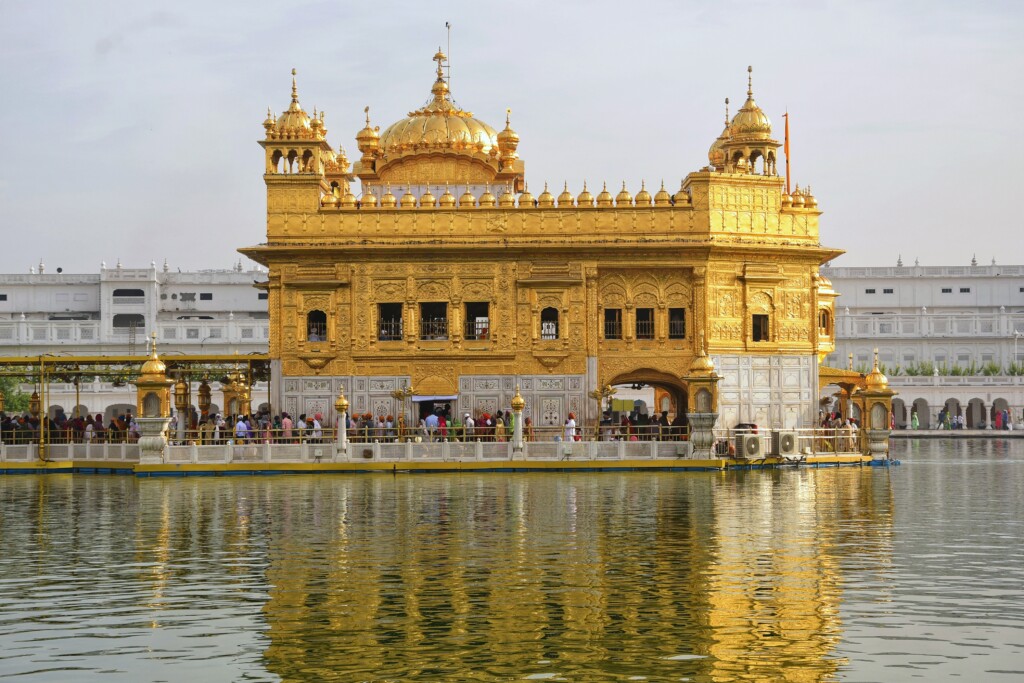
The Golden Temple, also known as Harmandir Sahib, stands as a beacon of spirituality and unity in the heart of Amritsar, Punjab. As the holiest shrine of Sikhism, it embodies the essence of devotion, service, and communal harmony. This sacred site invites individuals from all walks of life, transcending barriers of caste, creed, and religion, to experience the profound peace and divine presence that permeates its grounds.
At the core of this revered temple lies the Guru Granth Sahib, the eternal Guru of the Sikhs, revered as the embodiment of the divine word. The temple’s serene ambiance encourages reflection and introspection, allowing visitors to connect deeply with their spirituality. The sacred pool, known as Amrit Sarovar, not only lends the city its name but also symbolizes the purifying waters that cleanse the soul.
The origins of this magnificent temple trace back to 1604 when Guru Arjan Dev Ji, the fifth Guru of the Sikhs, envisioned a place of worship that would serve as a sanctuary for all. The construction of the temple marked a pivotal moment in Sikh history, establishing a space where spiritual seekers could gather to meditate and seek solace. Over the years, the temple has witnessed numerous trials and tribulations, including destructive invasions, yet its resilience has allowed it to rise anew, embodying the indomitable spirit of the Sikh community.
Significantly, during the 1830s, Maharaja Ranjit Singh adorned the upper floors of the temple with gold plating, creating the stunning edifice that we admire today. This transformation not only enhanced its aesthetic impact but also solidified its status as a symbol of wealth and devotion. Throughout its history, the temple has been rebuilt multiple times, each renewal a testament to the enduring faith of the devotees and the rich tapestry of Sikh heritage.
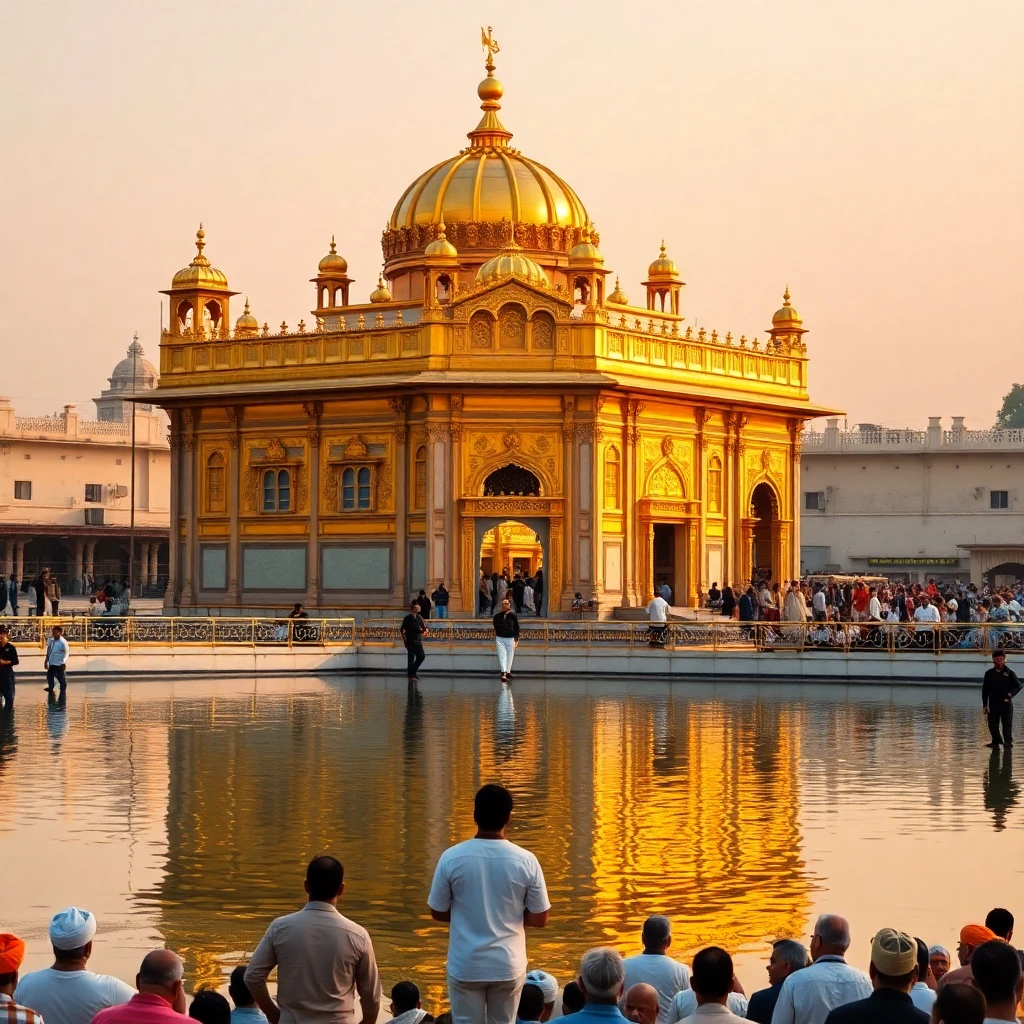
The architecture of this sacred site is an exquisite blend of Indo-Islamic styles, characterized by its harmonious proportions and intricate detailing. The temple is set on a rectangular platform surrounded by a sacred pool, offering a breathtaking reflection of its golden facade. The stunning entrance, known as the Darshani Deori, leads devotees into the inner sanctum, where a palpable sense of reverence fills the air.
One of the most striking features of the temple is its gold-plated upper floors, which shimmer majestically under the sun, captivating the hearts of all who visit. The harmonious combination of marble and gold, complemented by delicate inlays of precious stones, creates a visual spectacle that is both serene and awe-inspiring. The temple’s architecture is not merely ornamental; it is a physical manifestation of the spiritual ideals of equality and inclusivity that form the foundation of Sikhism.
Devotees from around the globe flock to this sacred site, drawn by its spiritual significance and the promise of divine blessings. The temple serves as a reminder of the teachings of the Gurus, encouraging followers to embrace selfless service, humility, and compassion. Many come to partake in the spiritual atmosphere, drawn by the melodic hymns that resonate within its walls, fostering a deep connection to the divine.
Legends and stories associated with the temple further enhance its sacred importance. It is believed that the waters of Amrit Sarovar possess healing properties, and countless visitors seek solace and renewal by immersing themselves in its waters. The temple stands as a symbol of hope, resilience, and faith, inspiring devotion and reverence among all who step foot within its hallowed grounds.
The Golden Temple is a vibrant hub of activity during major Sikh festivals, where the atmosphere is charged with spirituality and joy. One of the most significant celebrations is Vaisakhi, marking the Sikh New Year and the formation of the Khalsa. The temple comes alive with colorful processions, devotional singing, and communal festivities, uniting thousands in a shared expression of faith.
Another noteworthy celebration is Gurpurab, which commemorates the birth of Guru Nanak Dev Ji, the founder of Sikhism. During this time, the temple is adorned with flowers and lights, and special prayers are held, attracting devotees who seek to honor the Guru’s teachings. The rituals and celebrations at this sacred site provide a unique opportunity to witness the rich cultural heritage of the Sikh community, where devotion and community service intertwine beautifully.
There are no reviews yet.

Worth ₹2,000 — 100% FREE
Already have an account? Log in
