
Kashi Vishwanath Temple
- Kashi Vishwanath Temple, Varanasi, Uttar Pradesh, India
- April 22, 2026


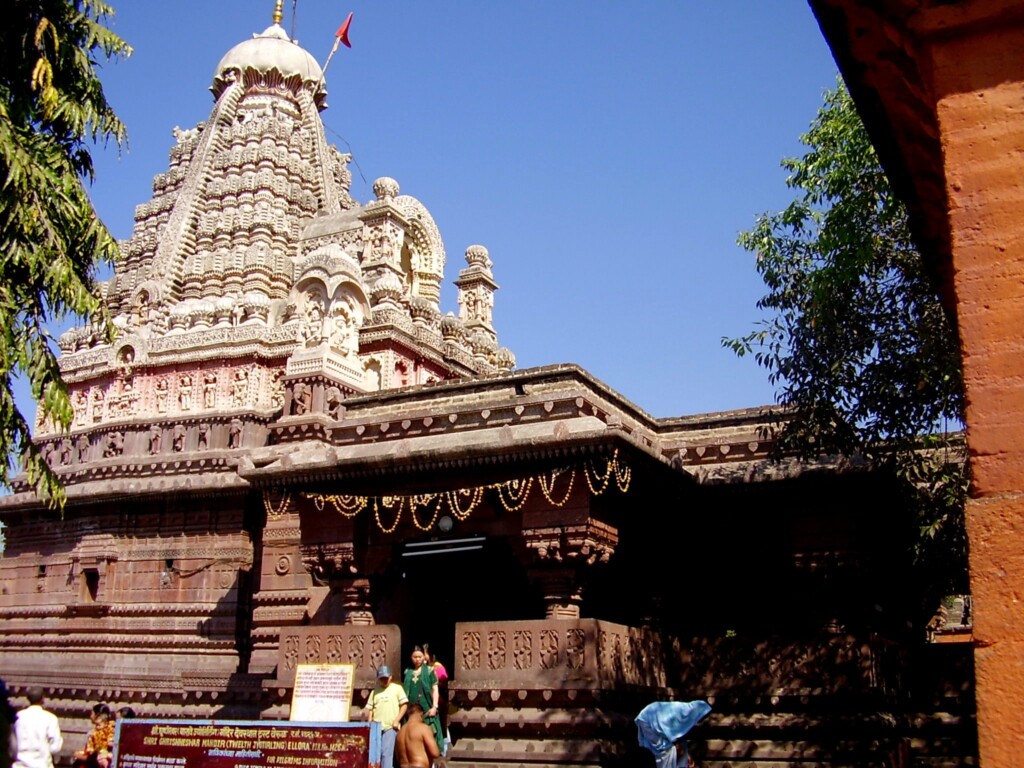

| Main Deity | Lord Shiva (Grishneshwar/Ghushmeshwar) |
|---|---|
| Location | Verul (near Ellora), Aurangabad, Maharashtra, India |
| Temple Timings | 5:30 AM – 9:30 PM |
| Entry Fee | Free |
| Best Time to Visit | October-March |
| Significance | 12th Jyotirlinga; near UNESCO Ellora Caves |
Nestled near the renowned UNESCO-listed Ellora Caves, this sacred site stands as the twelfth and final Jyotirlinga, revered by devotees of Lord Shiva. Grishneshwar Temple holds profound spiritual significance, drawing pilgrims from far and wide who seek divine blessings and a deeper connection with the eternal essence of Shiva. The temple is not just a place of worship; it embodies the devotion and faith of countless individuals who have sought solace and guidance within its hallowed walls.
The atmosphere surrounding the temple is imbued with a sense of serenity and reverence, enhanced by the melodic sounds of chanting and the fragrance of incense wafting through the air. Visitors are often captivated by the energy that radiates from this sacred space, making it a vital pilgrimage destination for those on a spiritual quest.
The history of this temple is rich and layered, marked by devotion and resilience. It is believed that the current structure was rebuilt in 1730 under the patronage of the illustrious queen Ahilyabai Holkar, a remarkable figure known for her deep devotion and contributions to temple architecture throughout Maharashtra. The temple was constructed using red Ellora stone, harmonizing beautifully with its surroundings and echoing the artistry that defines the region.
Legend speaks of a devoted woman named Kusuma, who worshipped a Shivalingam that was hidden away. Through her unwavering faith and dedication, the Shivalingam transformed into the Jyotirlinga that we honor today. This narrative underscores the temple’s significance as a beacon of love, devotion, and divine grace. Over the centuries, the temple has witnessed various dynasties and rulers who have contributed to its upkeep, ensuring that it remains a thriving center of spirituality.
The architectural style of the temple reflects the grandeur and artistry characteristic of the period during which it was constructed. The intricate carvings and detailed sculptures that adorn the walls speak to the skilled craftsmanship of the artisans who dedicated their talents to this sacred site. The temple features a beautifully ornate entrance, inviting devotees to step into a realm of divine presence.
One of the most distinctive aspects of the temple is its serene ambiance, created by the thoughtful arrangement of space and light. The main sanctum houses the revered Jyotirlinga, surrounded by a tranquil courtyard that encourages reflection and meditation. This harmonious blend of nature and architecture enhances the spiritual experience for all who visit.
For devotees, this temple is more than just a place of worship; it represents a pilgrimage to the heart of spirituality. The legends surrounding the temple, particularly the tale of Kusuma, resonate deeply with those seeking to overcome obstacles in their lives. It serves as a reminder of the power of faith and devotion in manifesting divine grace.
As the final Jyotirlinga among the twelve, the temple holds a special place in the hearts of Shiva devotees. It is believed that visiting this sacred site can bestow blessings of peace, prosperity, and protection. Many come to offer prayers, perform rituals, and seek blessings for their families, reinforcing the temple’s role as a sanctuary of hope and healing.
The temple comes alive with vibrant celebrations during major festivals, drawing thousands of devotees who partake in the joyous atmosphere. One of the most significant events is Maha Shivaratri, a night dedicated to Lord Shiva, where devotees engage in fasting, night-long vigils, and chanting. The temple is adorned with flowers and lights, creating a mesmerizing sight that enhances the spiritual fervor of the occasion.
Another notable celebration is the month-long Shravan, during which devotees flock to the temple to offer their prayers and immerse themselves in the divine energy of this sacred site. Rituals such as abhishekam (anointing the deity with holy substances) are performed with great devotion, inviting a sense of community and shared spirituality among pilgrims.
There are no reviews yet.

Worth ₹2,000 — 100% FREE
Already have an account? Log in
