
Kashi Vishwanath Temple
- Kashi Vishwanath Temple, Varanasi, Uttar Pradesh, India
- April 22, 2026


| Main Deity | Goddess Kamakhya (Shakti) |
|---|---|
| Location | Nilachal Hills, Guwahati, Assam, India |
| Temple Timings | 8:00 AM – 1:00 PM; 2:30 PM – 5:30 PM |
| Entry Fee | Free |
| Best Time to Visit | June (Ambubachi Mela); October-April |
| Significance | One of 51 Shakti Peethas; one of 4 Adi Shakti Peethas |
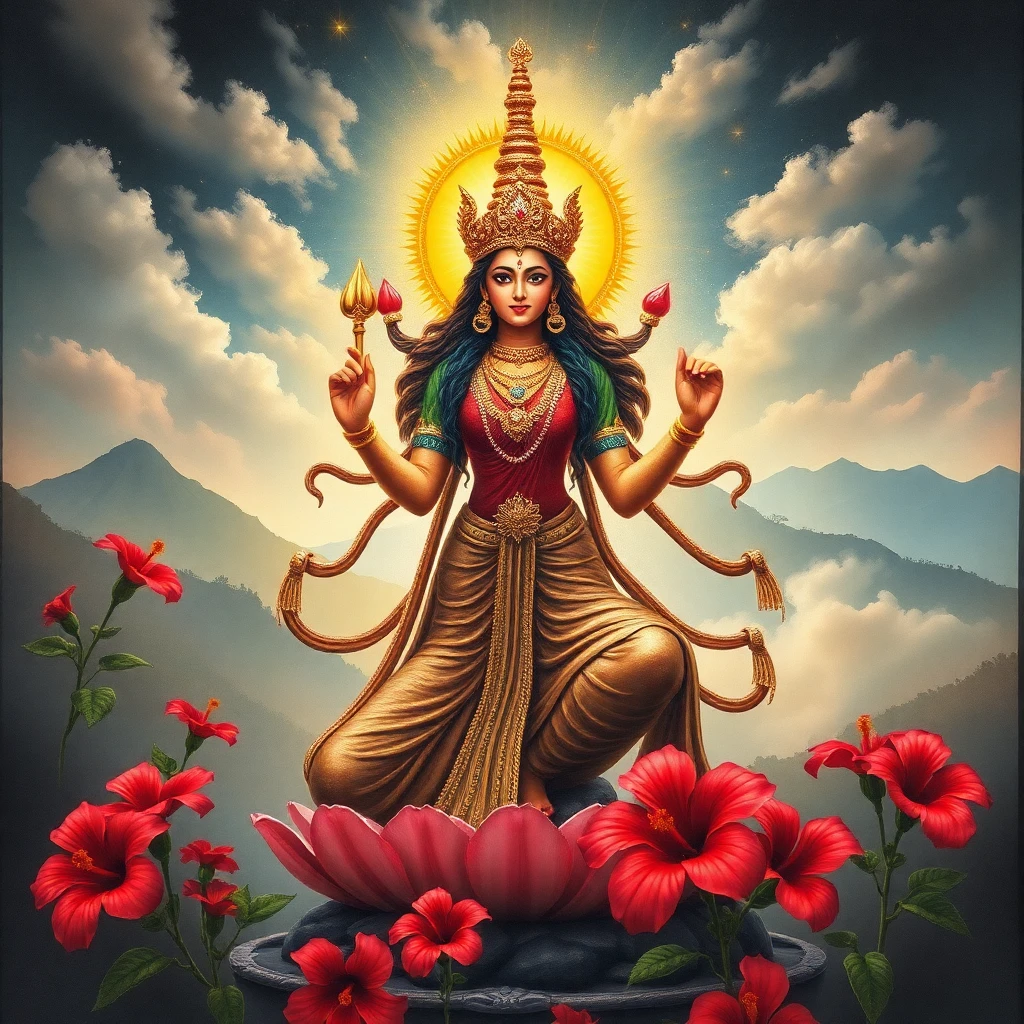
Nestled in the serene Nilachal Hills of Guwahati, Assam, this sacred site is dedicated to Goddess Kamakhya, a revered manifestation of Shakti. As one of the oldest and most significant Shakti Peethas, it holds a special place in the hearts of devotees who seek the divine feminine energy that the goddess embodies. With no idol to worship, the deity is represented by a natural rock cleft, symbolizing the womb of Goddess Sati, which is believed to have fallen at this location. This unique representation speaks to the essence of creation and femininity, attracting countless pilgrims who journey here in search of spiritual awakening and empowerment.
The temple not only serves as a place of worship but also as a hub for Tantric practices, drawing practitioners and seekers from various spiritual paths. Its significance extends beyond mere rituals; it is a vibrant center for the exploration of deeper spiritual truths and practices. The sacred ambiance, combined with the rich traditions that envelop this site, makes it a beacon of divine energy and spiritual exploration.
The history of this sacred site is steeped in legend and devotion, tracing back to ancient times when it was established as a prominent Shakti Peetha. It is said that Goddess Sati’s womb fell at this location during the cosmic dance of creation and destruction, making it a crucial spot in the narrative of Shakti worship. Over the centuries, various dynasties have contributed to the temple’s significance, with rulers from the Kamata and Ahom dynasties playing pivotal roles in its preservation and enhancement.
Though the exact date of its original construction remains uncertain, it is believed to have been built in the 8th century AD. As the centuries progressed, the temple underwent several renovations and restorations, reflecting the artistic and cultural evolution of the region. The temple’s enduring presence amidst changing dynasties and epochs is a testament to the devotion that has sustained its spiritual essence through time.
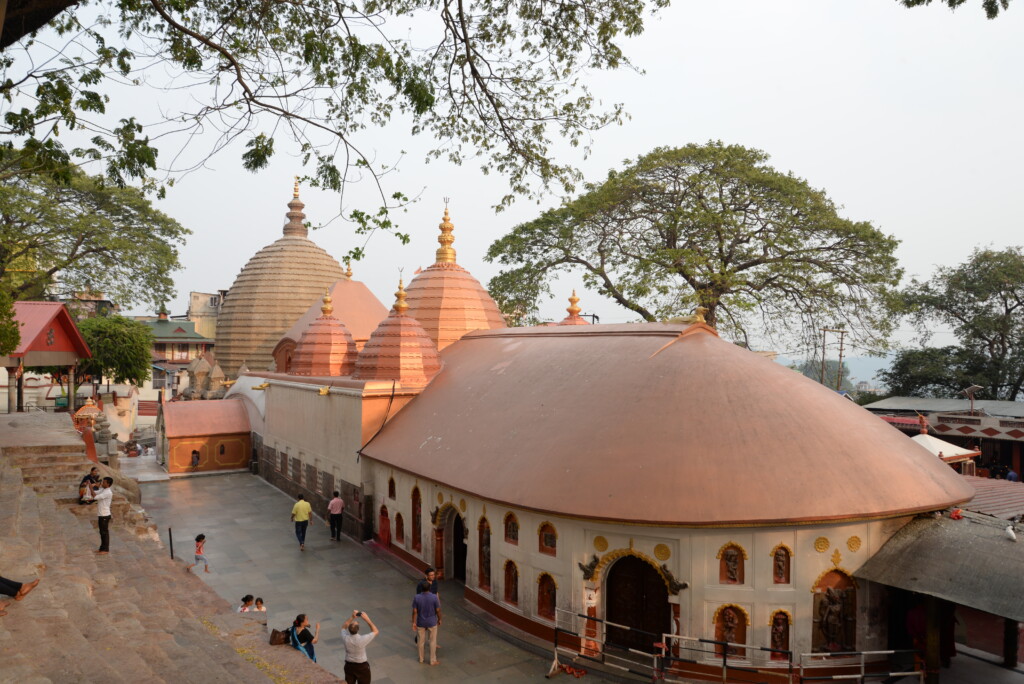
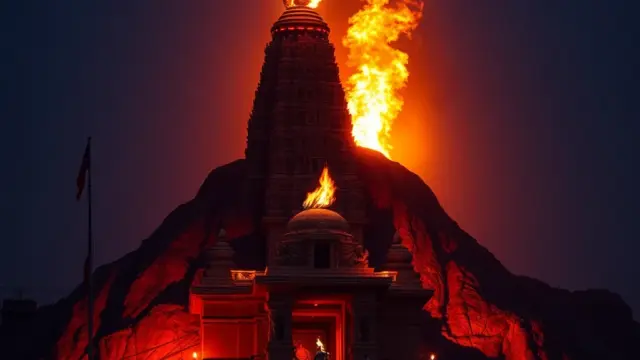
The architectural style of this sacred site is a beautiful amalgamation of traditional Assamese and intricate Tantric motifs. One of its most distinctive features is the beehive-shaped shikhara, which rises majestically above the temple complex, symbolizing the ascent of the soul towards the divine. The temple is adorned with exquisite carvings and sculptures that depict various deities, floral patterns, and mythological narratives, each telling a story of devotion and spirituality.
The temple complex is not only visually striking but also designed to create an atmosphere conducive to meditation and worship. The natural surroundings further enhance its beauty, as the lush greenery of the Nilachal Hills provides a serene backdrop, inviting visitors to immerse themselves in the sacred energy of the site. This harmonious blend of nature and architecture creates a sanctuary where the divine presence feels palpable, making every visit a profound experience.
Devotees flock to this sacred site for various reasons, primarily to seek blessings and to connect with the divine feminine energy embodied by Goddess Kamakhya. The temple is deeply ingrained in the spiritual practices of Tantric worship, where rituals aimed at harnessing and balancing spiritual energies are conducted. Many believe that visiting the temple can lead to spiritual enlightenment, healing, and the granting of wishes, making it a pilgrimage of hope and transformation.
Legends surrounding the temple further enhance its sacred importance. The story of Goddess Sati’s self-immolation and the subsequent grief of Lord Shiva has created a profound narrative that resonates with many. The belief that this site holds the power of creation, fertility, and feminine strength draws devotees from across the country and beyond, each seeking personal connection and divine intervention in their lives.
The Ambubachi Mela, held annually in June, is one of the most significant festivals celebrated at this sacred site. This vibrant event marks the annual menstruation of the goddess and is an occasion for thousands of devotees to gather and partake in rituals and celebrations. It is said that during this time, the temple is closed for three days, symbolizing the goddess’s retreat into her divine feminine energy, after which she emerges renewed, and the temple reopens to devotees with great fanfare.
During the festival, the atmosphere is electric with devotion, as rituals, music, and dance fill the air. Pilgrims come to offer their prayers, seek blessings, and engage in ceremonies that honor the goddess. The festival embodies a profound reverence for the natural cycles of life and femininity, making it a unique and spiritually enriching experience for all who attend.
There are no reviews yet.

Worth ₹2,000 — 100% FREE
Already have an account? Log in
