
Kashi Vishwanath Temple
- Kashi Vishwanath Temple, Varanasi, Uttar Pradesh, India
- April 22, 2026


| Main Deity | Lord Shiva (Kapaleeshwarar) and Goddess Karpagambal |
|---|---|
| Location | Mylapore, Chennai, Tamil Nadu, India |
| Temple Timings | 5:00 AM – 12:00 PM; 4:00 PM – 9:30 PM |
| Entry Fee | Free |
| Best Time to Visit | March-April (Panguni Uthiram); October-March |
| Significance | One of most important temples in Chennai |
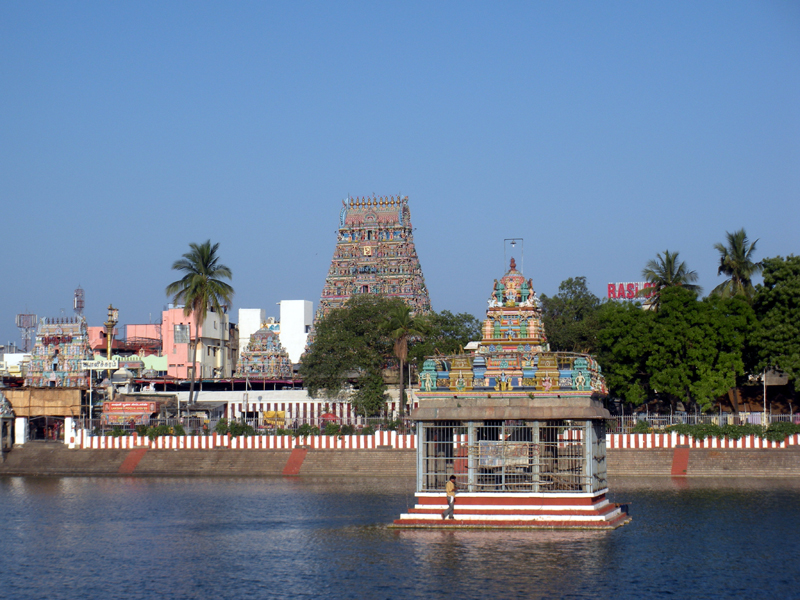
Nestled in the heart of Mylapore, Chennai, this sacred site is a significant pilgrimage destination dedicated to Lord Shiva, revered here in the form of Kapaleeshwarar, alongside the goddess Karpagambal. The temple stands as a beacon of devotion, drawing countless devotees and spiritual seekers who come to seek blessings and immerse themselves in the divine atmosphere. Its vibrant rituals and the palpable energy of worship create a unique spiritual experience that resonates deeply with all who visit.
As one of the most important temples in Chennai, this site not only serves as a place of worship but also as a cultural hub, reflecting the rich heritage of Tamil Nadu. The temple’s historical roots and the serene environment surrounding it encourage introspection and devotion, making it a cherished landmark for both locals and visitors alike.
The origins of this temple trace back to the 7th century when it was believed to be established by the Pallavas, a dynasty known for their contributions to art and architecture. However, as time passed, the original structure fell to the ravages of history and was subsequently destroyed. It wasn’t until the 16th century that the temple was rebuilt, showcasing the resilience of faith and the dedication of its devotees to restore this sacred site.
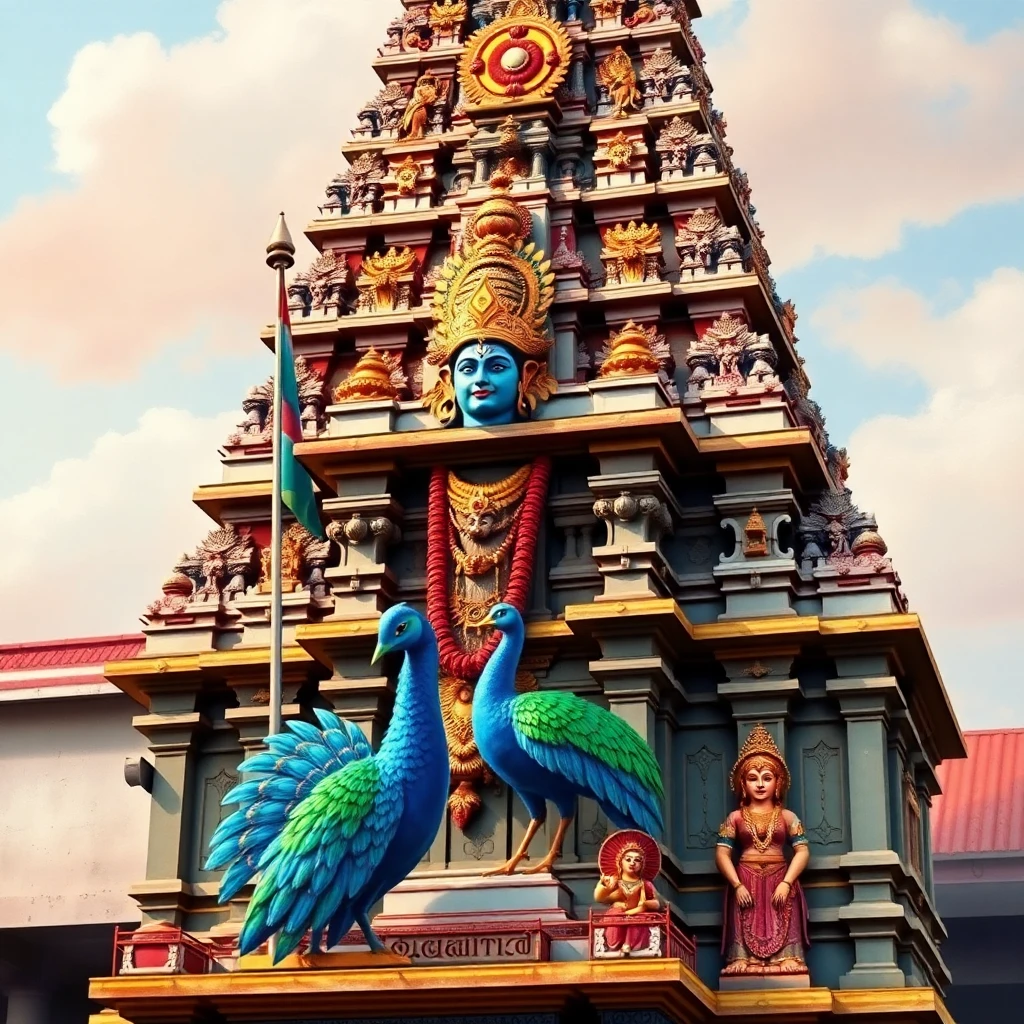
Over the centuries, the temple has witnessed significant events and transformations, becoming a central point of worship for the Hindu community. The legends surrounding the site speak of Goddess Parvati worshipping Lord Shiva in the form of a peacock, which is why He is affectionately referred to as Kapaleeshwarar. This rich tapestry of history and mythology enhances the temple’s spiritual allure and continues to inspire devotion among visitors.
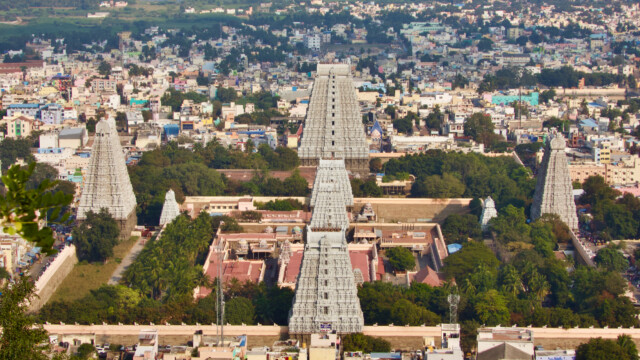
The architectural splendor of this temple is truly captivating, with its towering gopuram rising majestically to a height of 37 meters. The intricate carvings and sculptures adorning the temple’s facade reflect the artistic brilliance of the period in which it was constructed, offering a glimpse into the devotion and craftsmanship of the artisans who worked on it. The gopuram is not merely an entrance; it serves as a gateway to the divine, inviting all who approach to enter into a sacred space.
Additionally, the temple is home to a sacred tank known as Kapali Theertham, which adds to its spiritual significance. This water body is often filled with devotees who come to perform rituals and offer prayers, further enhancing the temple’s serene atmosphere. The harmonious blend of architectural beauty and spiritual purpose makes this sacred site a visual and experiential treasure.
This sacred site holds profound importance for devotees who flock here to seek the blessings of Lord Shiva and Goddess Karpagambal. The legends associated with the temple, particularly the story of Goddess Parvati worshiping Shiva as a peacock, imbue the space with a sense of mystique and reverence. Many believe that praying here can lead to spiritual enlightenment and the alleviation of life’s burdens, making it a vital stop for those on their spiritual journeys.
The temple serves as a focal point for community gatherings, spiritual discourses, and rituals, reinforcing the bonds of faith and tradition among its visitors. The experience of participating in the daily rituals, from the morning prayers to the evening aarti, allows devotees to connect deeply with the divine and with each other in a shared spiritual journey.
Throughout the year, this sacred site comes alive with vibrant festivals that attract devotees from near and far. One of the major annual celebrations is the Arupathimoovar Festival, which honors the 63 Nayanar saints and includes colorful processions, music, and dance. This festival is a time of great joy and devotion, allowing participants to engage deeply with their faith and celebrate the rich cultural heritage of the region.
Another significant event is the Panguni Uthiram festival, during which devotees participate in elaborate rituals and offerings to the deities. The atmosphere is filled with devotion and fervor, as the community comes together to celebrate their faith. Visitors can expect to witness breathtaking visuals, including traditional attire, music, and the enchanting sounds of temple bells, all contributing to a truly immersive spiritual experience.
There are no reviews yet.
Worth ₹2,000 — 100% FREE
Already have an account? Log in
