
Kashi Vishwanath Temple
- Kashi Vishwanath Temple, Varanasi, Uttar Pradesh, India
- April 22, 2026


| Main Deity | Goddess Meenakshi (Parvati) and Lord Sundareswarar (Shiva) |
|---|---|
| Location | Madurai, Tamil Nadu, India |
| Temple Timings | 5:00 AM – 12:30 PM; 4:00 PM – 9:30 PM |
| Entry Fee | Free; Camera fee INR 50 |
| Best Time to Visit | Apr-May (Chithirai festival); Nov-Mar (mild climate) |
| Significance | Proposed UNESCO World Heritage Site |
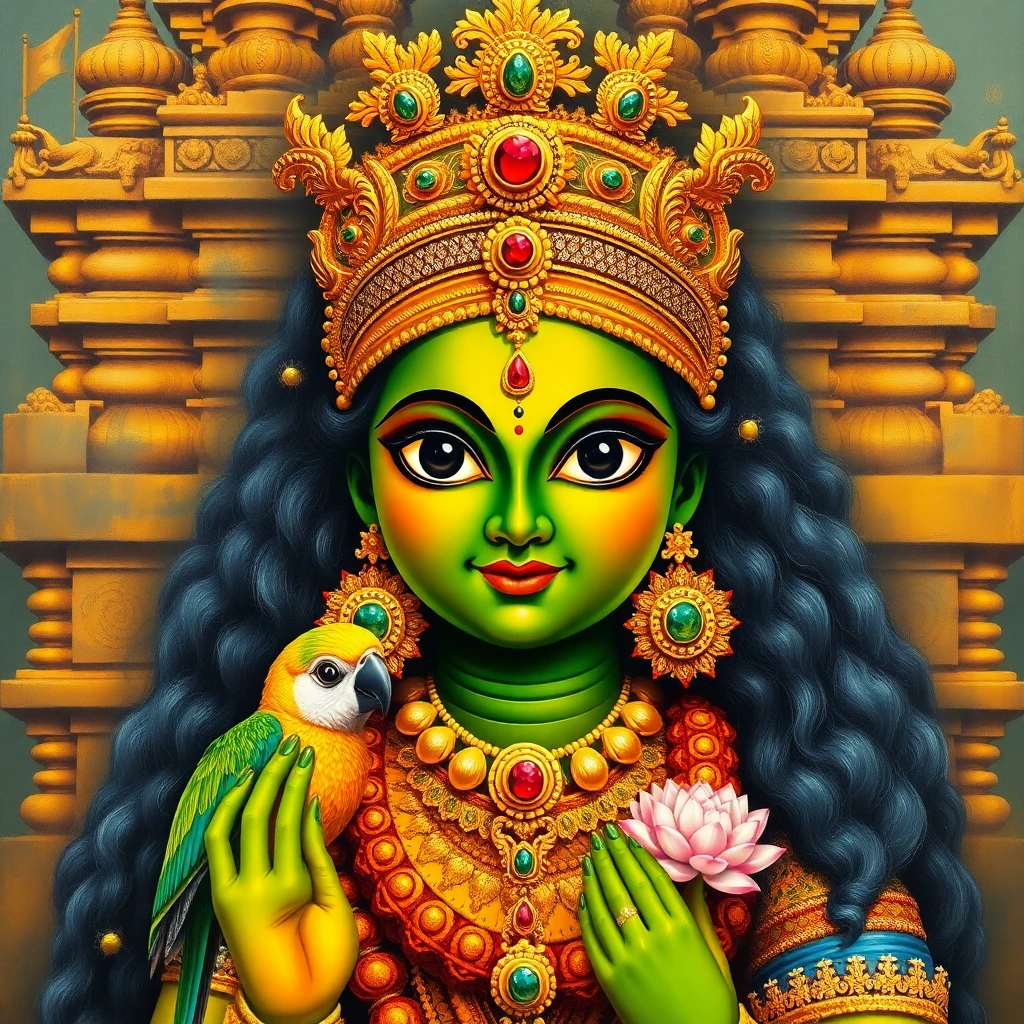
Nestled in the heart of Madurai, the Meenakshi Amman Temple is a breathtaking testament to India’s spiritual heritage, revered by millions for its profound significance. This sacred site is dedicated to Goddess Meenakshi, an incarnation of Parvati, alongside Lord Sundareswarar, a form of Lord Shiva. With its vibrant rituals and rich traditions, the temple draws devotees from all corners of the globe, serving as a beacon of hope, devotion, and divine connection.
As one of the oldest temples in India, with roots stretching back over 2,500 years, this spiritual haven resonates with the echoes of history. The temple complex not only represents a place of worship but also stands as a symbol of the enduring faith and cultural richness of the Tamil people, making it a vital part of their identity and heritage.
The origins of this magnificent temple are steeped in ancient lore, believed to have been constructed during the early Pandya dynasty. Over the centuries, it has undergone numerous expansions and renovations, with significant contributions from various dynasties. The 17th century saw a remarkable transformation under the patronage of Thirumalai Nayak, who expanded the temple complex, enhancing its grandeur and spiritual ambiance.
Key events in the temple’s history are intertwined with the legends of Goddess Meenakshi and Lord Sundareswarar. According to local beliefs, the temple was built on the site where the goddess emerged from a sacrificial fire, embodying the divine feminine. This narrative has fostered a deep spiritual connection among devotees, who believe that visiting this temple brings blessings and fulfillment of their desires.
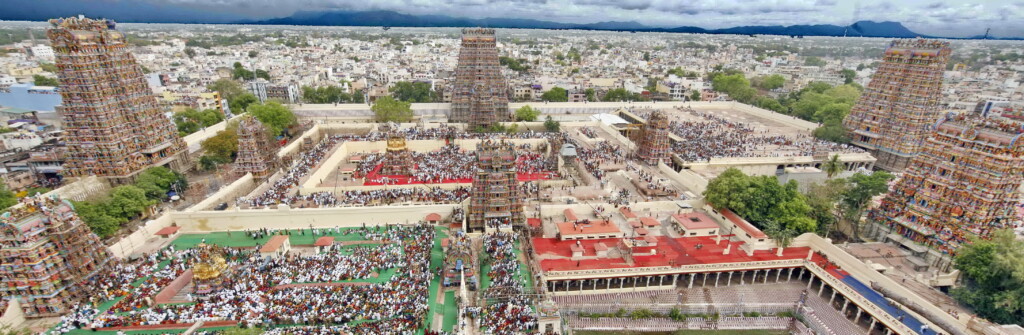
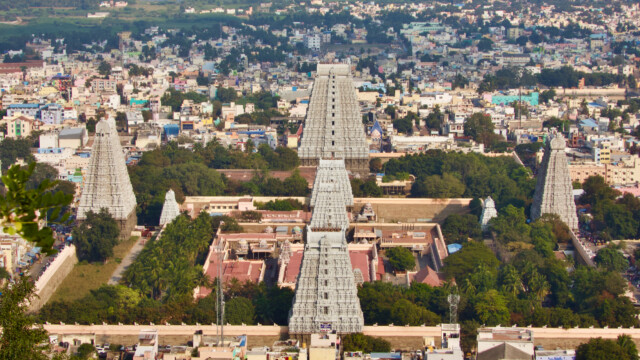
The architectural brilliance of the temple is a sight to behold, showcasing the Dravidian style that characterizes many southern Indian temples. One of the most striking features is the fourteen towering gopurams, or gateway towers, which are adorned with intricate carvings and vibrant sculptures depicting various deities and mythological scenes. The tallest gopuram reaches an impressive height of 52 meters, serving as a stunning focal point that draws the gaze of all who approach.
A highlight within the temple complex is the Hall of Thousand Pillars, which boasts 985 exquisitely carved pillars that tell stories of the divine. Each pillar serves not just as a structural support, but also as a canvas for artistic expression, making the hall a marvel of both engineering and artistry. The serene Golden Lotus Pond nearby adds to the tranquility of the surroundings, inviting devotees to pause and reflect amidst their spiritual journey.
Devotees flock to this temple seeking blessings, healing, and spiritual guidance from Goddess Meenakshi and Lord Sundareswarar. The temple is not only a place of worship but also a center of community life, where people gather to celebrate faith and tradition. Legends surrounding the deities emphasize their roles as protectors and nurturers, further deepening the connection that devotees feel when they step into this sacred space.
The temple’s significance is amplified by its association with numerous festivals and rituals, which celebrate the divine union of Meenakshi and Sundareswarar. These events are infused with deep spiritual meaning, drawing thousands who participate in the vibrant celebrations, reinforcing their faith and devotion.
The Meenakshi Amman Temple is a vibrant hub of festivities, with numerous annual celebrations that attract pilgrims and tourists alike. Among the most notable is the Chithirai Festival, which marks the divine wedding of Goddess Meenakshi and Lord Sundareswarar. This grand event, celebrated in the Tamil month of Chithirai, sees a magnificent procession through the streets, accompanied by music, dance, and fervent devotion, creating an atmosphere of joy and spiritual upliftment.
Other significant festivals include the Panguni Uthiram and the Navaratri celebrations, each imbued with their unique rituals and significance. Devotees can expect elaborate decorations, traditional performances, and various offerings made at the temple during these times. The atmosphere becomes electric, as the air fills with the sounds of chanting, the fragrance of flowers, and the warmth of community, embodying the deep spiritual essence of this sacred site.
There are no reviews yet.
Worth ₹2,000 — 100% FREE
Already have an account? Log in
