
Kashi Vishwanath Temple
- Kashi Vishwanath Temple, Varanasi, Uttar Pradesh, India
- April 22, 2026


| Main Deity | Lord Shiva (Nageshwar/Nagnath) |
|---|---|
| Location | Dwarka, Jamnagar, Gujarat, India |
| Temple Timings | 5:00 AM – 9:00 PM |
| Entry Fee | Free |
| Best Time to Visit | October-March |
| Significance | One of 12 Jyotirlingas |
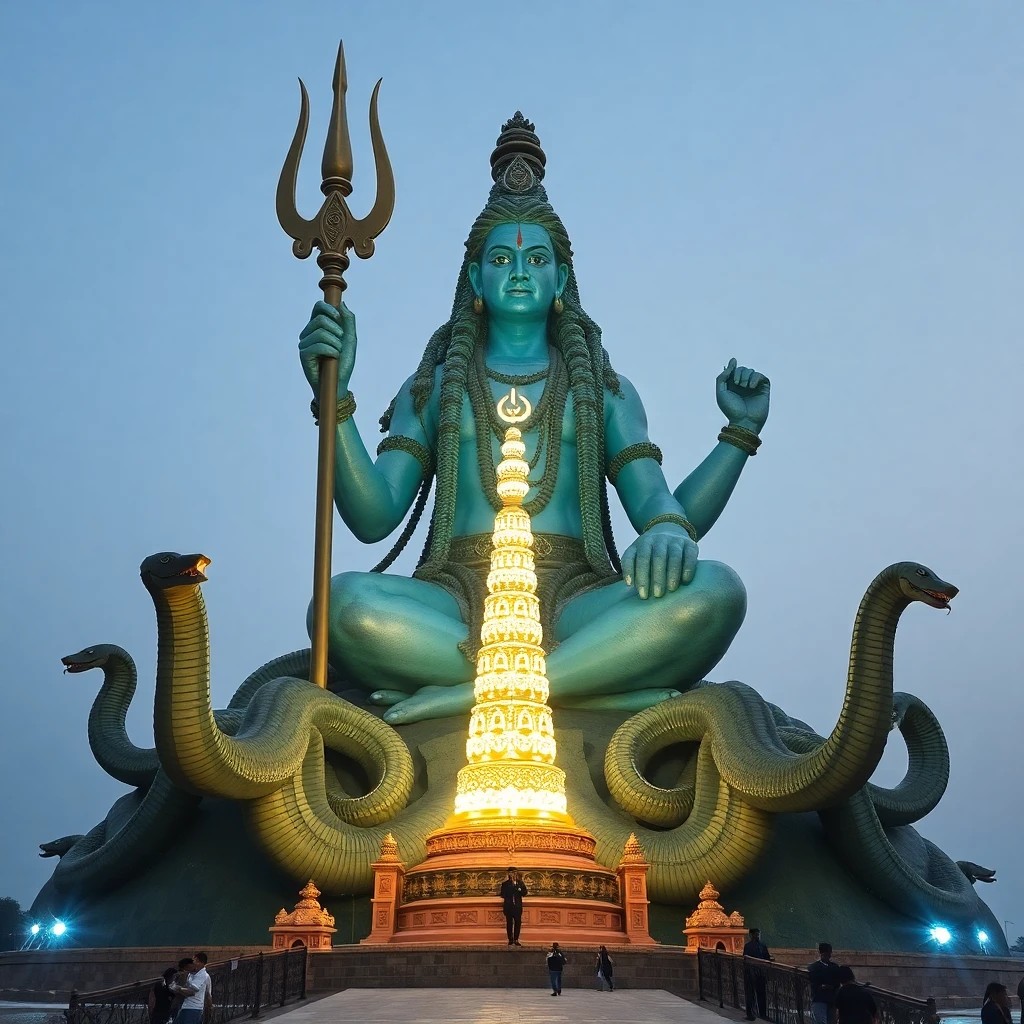
Nageshwar Jyotirlinga Temple stands as a beacon of devotion and spirituality on the picturesque Saurashtra coast near Dwarka, Gujarat. Revered as one of the twelve Jyotirlingas dedicated to Lord Shiva, this sacred site attracts pilgrims and seekers of divine grace from all corners of India. The temple’s serene ambiance and its majestic 25-meter statue of Lord Shiva serve as a constant reminder of the omnipresent power of the divine.
For devotees, this temple holds profound significance, not only as a place of worship but also as a spiritual sanctuary where they seek blessings and solace. The legends that surround the temple’s origins add a rich tapestry of faith and devotion to its atmosphere, making it a pivotal destination for those embarking on a journey of spiritual awakening.
The history of Nageshwar Jyotirlinga Temple is steeped in ancient lore and reverence. Traditionally believed to be established during the era of the Mahabharata, the temple’s roots are intertwined with the legendary tale of the devotee Supriya, who was saved from the clutches of the demon Daruka by Lord Shiva. In gratitude, it is said that Supriya prayed fervently, leading to the emergence of the lingam at this sacred site, marking it as a significant place of worship.
Over the centuries, various dynasties have contributed to the temple’s sanctity and architectural marvel. While the original structure has undergone renovations, it continues to reflect the dedication of its devotees through the ages. The temple has also been a focal point for pilgrims visiting the nearby Dwarkadhish Temple, creating a sacred journey through the rich spiritual landscape of the region.
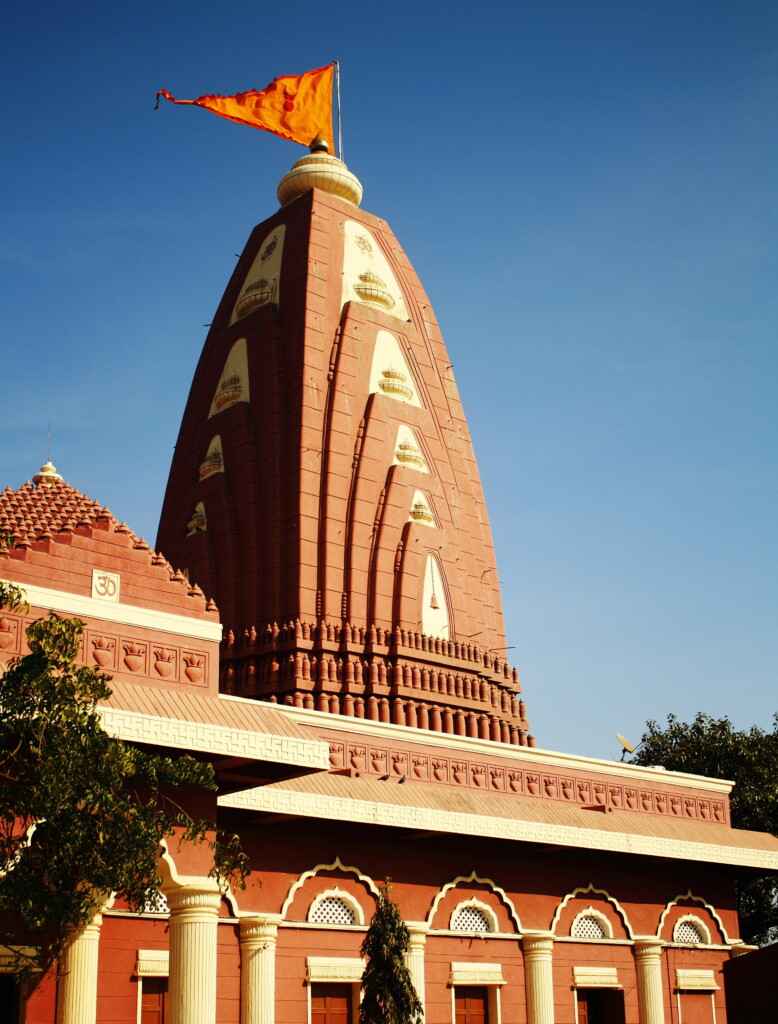
The architectural grandeur of this sacred site is a testament to the artistry and devotion of its creators. With intricate carvings and a design that harmonizes with the surrounding landscape, the temple showcases a blend of traditional Indian architectural styles. The towering statue of Lord Shiva, which dominates the temple’s exterior, is not only a visual spectacle but also a symbol of strength and protection for the devotees.
Inside, the temple is adorned with exquisite sculptures and detailed motifs that narrate stories from Hindu mythology. The atmosphere is imbued with an aura of peace and reverence, inviting visitors to reflect and meditate amidst the beautiful surroundings. Each element of the architecture serves to elevate the spiritual experience, making this temple not just a place of worship but a work of art in itself.
The religious significance of Nageshwar Jyotirlinga Temple is profound, drawing countless devotees who seek the blessings of Lord Shiva for health, prosperity, and spiritual enlightenment. The temple is often visited as part of a pilgrimage circuit, where devotees not only pay homage but also engage in rituals that honor the divine presence. The stories of miraculous blessings and protection have woven a deep sense of faith among the worshippers.
Legends surrounding the temple, particularly the tale of Supriya’s deliverance from the demon Daruka, reinforce the belief in the protective and benevolent nature of Lord Shiva. This sacred site is viewed as a powerful conduit for divine energy, where believers come to offer their prayers and seek solace from life’s tribulations, reinforcing the timeless connection between the devotee and the divine.
Nageshwar Jyotirlinga Temple comes alive with vibrant celebrations during major festivals, drawing crowds of devotees eager to partake in the rituals and festivities. The most significant of these is Maha Shivaratri, a night dedicated to Lord Shiva, where devotees engage in fasting, chanting, and night-long vigils, creating an atmosphere of devotion and spirituality that resonates throughout the temple grounds.
During these festive occasions, the temple is beautifully decorated, and various rituals are performed, including the ceremonial bathing of the lingam with water, milk, and honey, symbolizing purification and devotion. Special prayers and bhajans fill the air, allowing devotees to immerse themselves in the spirit of celebration and unity.
There are no reviews yet.

Worth ₹2,000 — 100% FREE
Already have an account? Log in
