
Kashi Vishwanath Temple
- Kashi Vishwanath Temple, Varanasi, Uttar Pradesh, India
- April 22, 2026


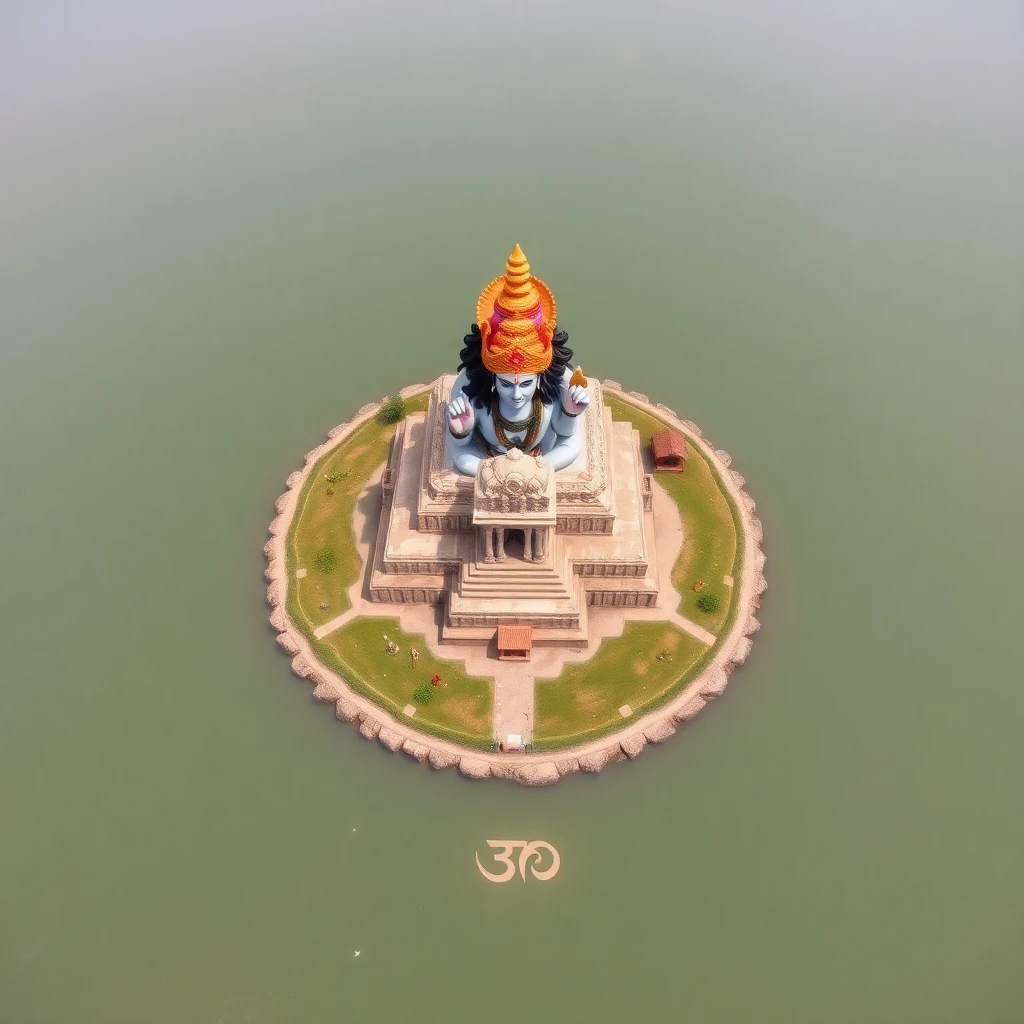
| Main Deity | Lord Shiva (Omkareshwar and Mamleshwar) |
|---|---|
| Location | Omkareshwar Island, Khandwa, Madhya Pradesh, India |
| Temple Timings | 5:00 AM – 10:00 PM |
| Entry Fee | Free; Boat charges extra |
| Best Time to Visit | October-March; Maha Shivaratri |
| Significance | One of 12 Jyotirlingas; natural Om-shaped island |
Nestled on the serene Mandhata Island in the Narmada River, this sacred site is renowned as one of the twelve revered Jyotirlingas dedicated to Lord Shiva. The temple’s unique geographical formation, which resembles the sacred symbol of ‘Om’, adds to its spiritual allure, making it a significant pilgrimage destination for countless devotees. Here, the divine presence of Lord Shiva is manifested in two distinct lingams: Omkareshwar and Mamleshwar, attracting worshippers from far and wide who seek blessings and spiritual enlightenment.
The temple not only embodies a deep spiritual resonance but also serves as a vibrant center for religious activities. Surrounding the temple are 68 smaller shrines that further enhance the sacred atmosphere, inviting visitors to partake in the spiritual energy that radiates from this hallowed ground. The parikrama path that encircles the island, formed by the flowing waters of the Narmada, offers a tranquil route for devotees to engage in spiritual reflection and devotion.
The history of this temple is steeped in ancient legends and significant events that have shaped its importance in Hindu spirituality. According to legend, Narada Muni, a revered sage, once sought to test the power of Lord Shiva’s divinity. He approached the Vindhya Mountain, requesting it to bow before him, leading to the mountain’s subsequent arrogance. In response, Lord Shiva manifested as a lingam on this island to quell the mountain’s pride, thus establishing the temple’s sacred significance. This event marks the spiritual foundation upon which the temple stands today.
Throughout its history, the temple has witnessed the patronage of various dynasties, including the Marathas and the Holkars, who contributed to its preservation and development. Their efforts ensured that this sacred site remained a pivotal place of worship and pilgrimage through the ages. The temple has not only survived the test of time but has also thrived, continuously drawing the faithful to its serene shores.
The architectural beauty of this temple reflects a harmonious blend of traditional Indian styles, characterized by intricate carvings and detailed sculptures that adorn its walls. The main sanctum housing the lingams is a testament to the exquisite craftsmanship of ancient artisans, with ornate designs that narrate tales from Hindu mythology. The temple’s design fosters a sense of peace and reverence, inviting visitors to immerse themselves in its spiritual ambiance.
One of the most striking features of this sacred site is its positioning on Mandhata Island, embraced by the flowing waters of the Narmada. This unique setting not only enhances the aesthetic appeal but also elevates the spiritual experience for pilgrims who arrive to offer their prayers. The temple’s layout, with its surrounding shrines and the sacred parikrama path, creates a holistic environment for worship and contemplation, making it visually and spiritually distinctive.
This temple holds profound religious significance for devotees, who visit in hopes of seeking divine blessings and spiritual upliftment. The presence of the two sacred lingams, Omkareshwar and Mamleshwar, epitomizes the dual nature of Lord Shiva, representing both creation and destruction, and attracting worshippers who resonate with these aspects of divinity. The temple’s legends, particularly those associated with Narada Muni and Vindhya Mountain, serve to inspire faith and devotion among visitors.
Moreover, the temple is believed to offer liberation from sins and a pathway to spiritual enlightenment, making it a revered destination for those on a quest for spiritual growth. The flowing waters of the Narmada River, believed to purify the soul, further enhance its sacred importance, creating a space where the earthly and the divine converge in a powerful embrace of spirituality.
The temple comes alive during major festivals, drawing large crowds of devotees who gather to partake in vibrant celebrations. One of the most significant events is the Mahashivaratri festival, dedicated to Lord Shiva, where the atmosphere is filled with devotion and fervor. During this time, the temple is adorned with flowers, lights, and offerings, as devotees engage in night-long vigils, chanting, and prayers to honor the deity.
In addition to Mahashivaratri, the temple hosts several other celebrations honoring Lord Shiva, creating a lively tapestry of rituals and festivities throughout the year. Each festival is marked by unique rituals, including special pujas, processions, and communal gatherings, allowing devotees to come together in shared devotion and spirituality. Visitors during these times can expect an enriching experience, full of vibrant colors, sounds, and the palpable energy of collective faith.
There are no reviews yet.
Worth ₹2,000 — 100% FREE
Already have an account? Log in
