
Kashi Vishwanath Temple
- Kashi Vishwanath Temple, Varanasi, Uttar Pradesh, India
- April 22, 2026


| Main Deity | Lord Rama |
|---|---|
| Location | Ayodhya, Uttar Pradesh, India |
| Temple Timings | 7:00 AM – 11:00 PM |
| Entry Fee | Free |
| Best Time to Visit | October-March; Ram Navami (March-April) |
| Significance | Built at Ram's birthplace; consecrated 2024 after historic Supreme Court verdict; new landmark of modern India |
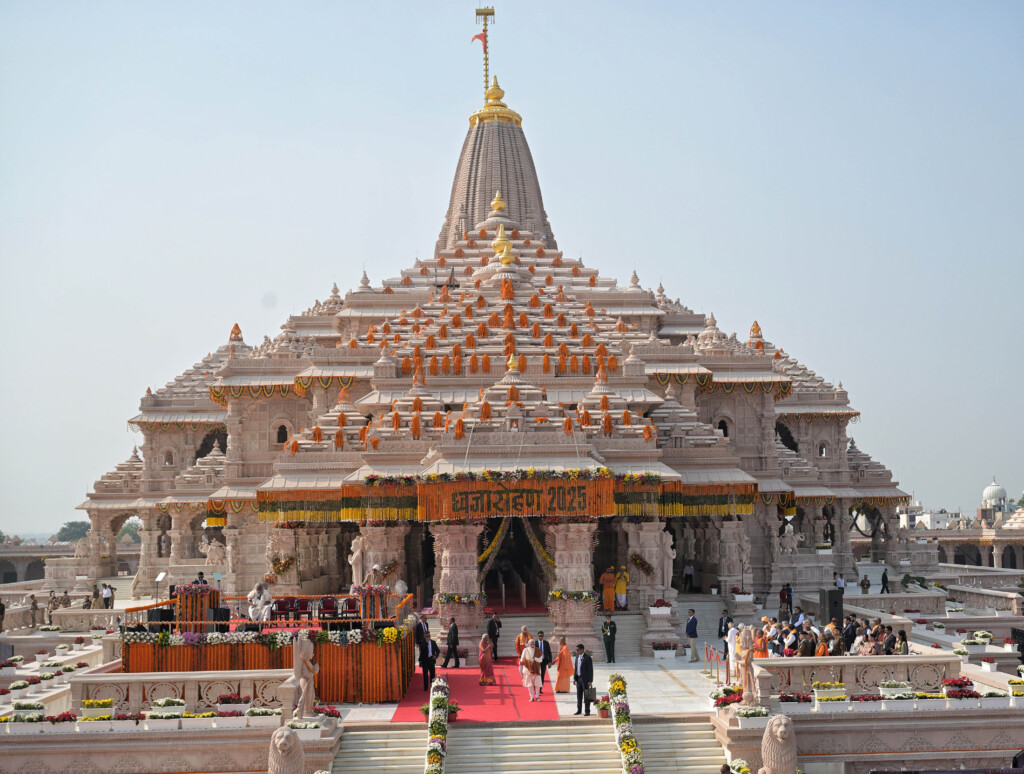
Ram Mandir in Ayodhya stands as a beacon of devotion and spirituality, drawing countless pilgrims and visitors who seek a deeper connection with Lord Rama, one of the most revered deities in Hinduism. This sacred site is believed to be the exact birthplace of Lord Rama, known as Ram Janmabhoomi, making it a focal point of faith and reverence for millions. The temple’s establishment not only symbolizes a profound spiritual resurgence but also represents a significant chapter in the cultural and historical narrative of India.
Consecrated on January 22, 2024, by Prime Minister Narendra Modi, the temple embodies the hopes and aspirations of devotees who have long cherished the dream of witnessing a grand structure dedicated to Lord Rama. The temple complex, sprawling over 70 acres, is a testament to the enduring legacy of faith, inviting individuals from all walks of life to experience its divine ambience and spiritual energy.
The roots of this sacred site trace back to ancient times, with references to Ayodhya found in various texts, including the Ramayana, which narrates the life and adventures of Lord Rama. The construction of the temple is a culmination of a long-standing aspiration that gained momentum in the late 20th century. Following a landmark judgment by the Supreme Court in 2019, which recognized the historical claims to the site, construction began in 2020, marking a significant turning point in its storied history.
Over the centuries, Ayodhya has been a focal point of Hindu devotion and cultural heritage, with various dynasties contributing to its rich tapestry. The temple’s construction reflects a collective yearning for spiritual fulfillment and the restoration of a sacred space that has been central to Hindu identity. Each brick laid in this magnificent structure resonates with the prayers and hopes of devotees, making it a symbol of faith and resilience.
The architectural design of the temple showcases the exquisite Nagara style, characterized by its intricate carvings and towering spires. Constructed primarily from pink sandstone, the three-storied structure not only captivates the eye but also embodies the artistic heritage of Indian temple architecture. The attention to detail in the carvings and motifs reflects the devotion of the artisans who have brought this vision to life.
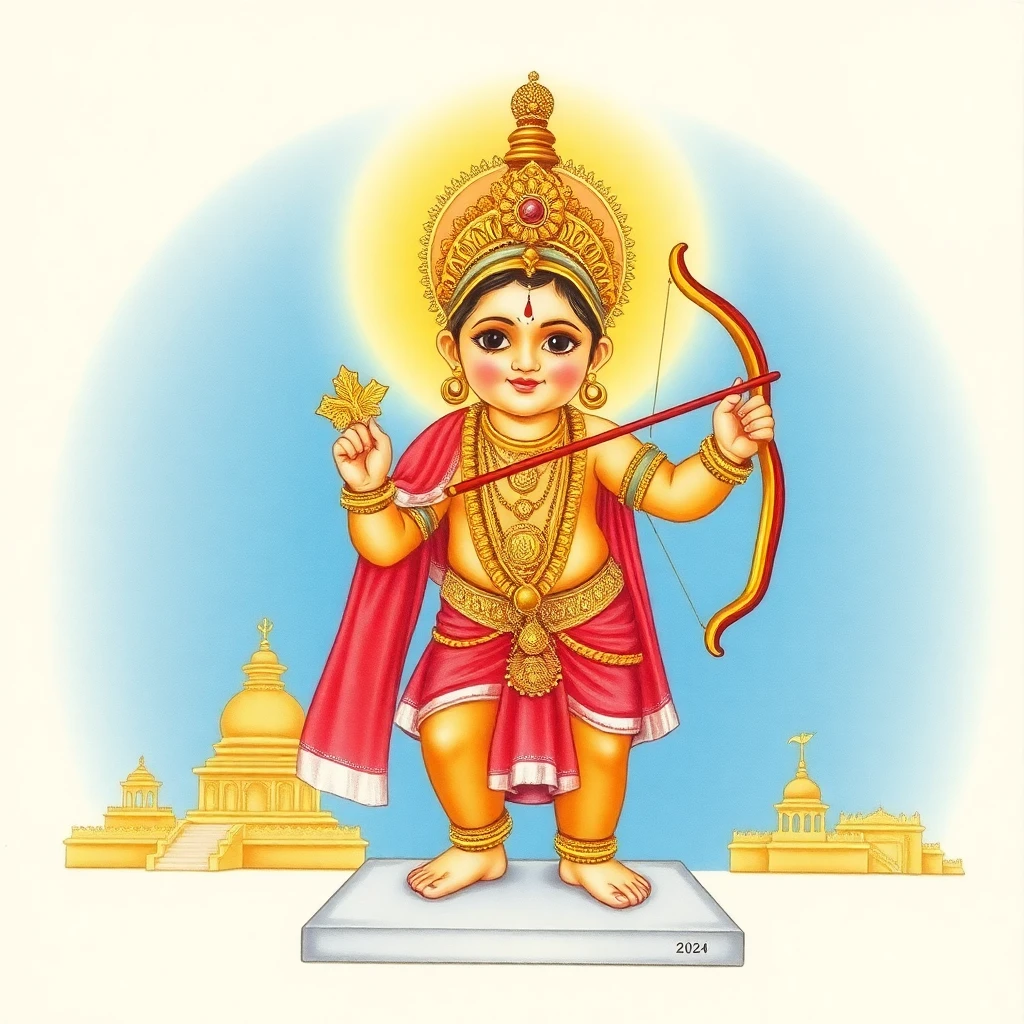
One of the defining features of this sacred site is its garbhagriha, or inner sanctum, which houses the idol of Ram Lalla, representing the child form of Lord Rama. This sanctum serves as the spiritual heart of the temple, where devotees gather in reverence, offering their prayers and seeking blessings. The harmonious blend of artistry and spirituality in the temple’s design truly sets it apart, making it a visually distinctive landmark that inspires awe and veneration.
Devotees flock to this sacred site for various reasons, ranging from spiritual awakening to seeking blessings for their families. The temple is steeped in legends that speak of Lord Rama’s divine qualities and his role as the epitome of righteousness, making it a source of inspiration for countless individuals. The atmosphere within the temple is thick with devotion, as visitors engage in prayers, rituals, and reflections on their personal journeys.
The significance of this temple extends beyond mere worship; it symbolizes the unity of the Hindu community and the enduring values of dharma (righteousness) and devotion. As pilgrims traverse the sacred grounds, they are reminded of the timeless lessons imparted through the life of Lord Rama, fostering a sense of belonging and connection to a larger spiritual narrative.
The temple comes alive during major festivals, drawing thousands of devotees who participate in vibrant celebrations filled with joy and devotion. One of the primary festivals celebrated here is Ram Navami, which marks the birth of Lord Rama. During this time, elaborate rituals, processions, and cultural performances fill the air with excitement, inviting devotees to immerse themselves in the festive spirit.
Additionally, the temple celebrates Dussehra, commemorating Lord Rama’s victory over the demon king Ravana, further reinforcing the values of good triumphing over evil. Rituals during these festivals include recitations of the Ramayana, communal prayers, and offerings, creating a profound sense of community among the attendees. Each celebration at the temple serves not only as a religious observance but also as a gathering of hearts united in devotion and reverence for the divine.
There are no reviews yet.
Worth ₹2,000 — 100% FREE
Already have an account? Log in
