
Kashi Vishwanath Temple
- Kashi Vishwanath Temple, Varanasi, Uttar Pradesh, India
- April 22, 2026


| Main Deity | Lord Vishnu (Ranganatha) |
|---|---|
| Location | Srirangam, Tiruchirapalli, Tamil Nadu, India |
| Temple Timings | 6:00 AM – 9:00 PM |
| Entry Fee | Free; Special darshan INR 250 |
| Best Time to Visit | December-January (Vaikunta Ekadasi) |
| Significance | 108 Divya Desams; largest Hindu temple complex in India |
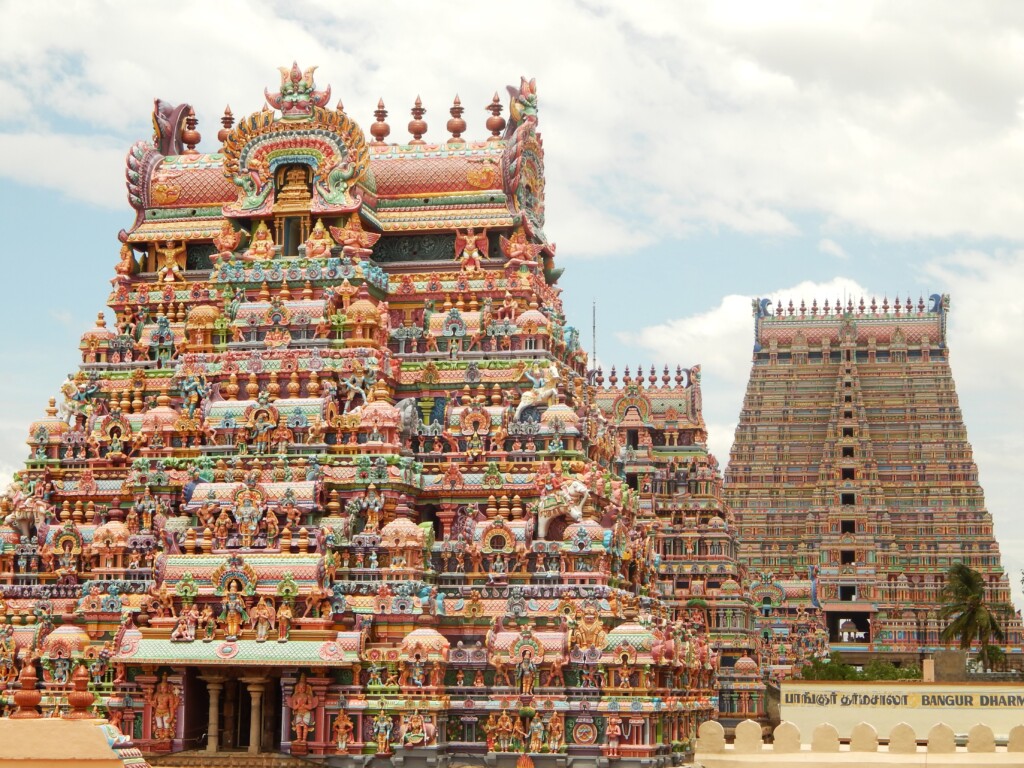
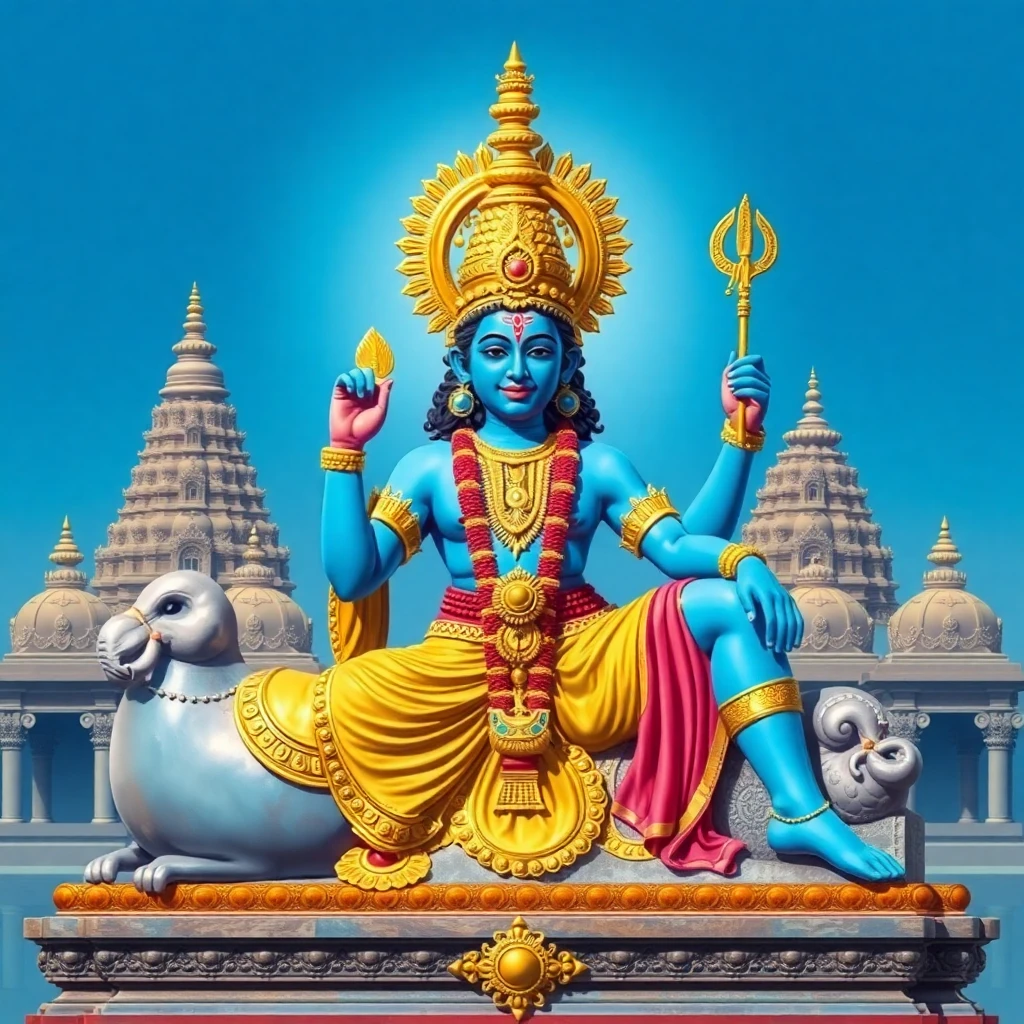
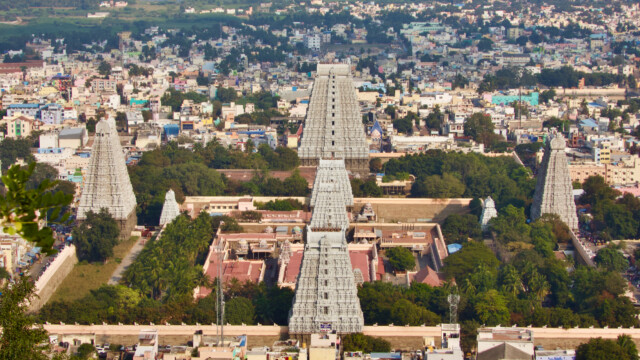
The Ranganathaswamy Temple, a revered spiritual haven, stands as a magnificent tribute to Lord Vishnu, specifically in his form as Ranganatha. Nestled in the heart of Srirangam, Tamil Nadu, this sacred site is not only a significant pilgrimage destination but also a symbol of the rich cultural heritage of India. As the largest functioning temple complex globally, it sprawls over an impressive 156 acres, inviting countless devotees and visitors to experience its divine ambiance.
This temple is one of the 108 Divya Desams, a collection of revered shrines dedicated to Vishnu, making it an essential pilgrimage site for Vaishnavites. The spiritual atmosphere of the temple is palpable, with its ornate architecture and the chants of devotees creating a harmonious blend of devotion and tranquility. For many, visiting this sacred site is a profound journey of faith, offering spiritual solace and a deeper connection to the divine.
The origins of this temple trace back to ancient times, with various dynasties contributing to its grandeur. Initially constructed during the early medieval period, it saw significant expansions under the patronage of the Chola and Pandya rulers, who played a pivotal role in its development. The temple’s prominence grew during the 12th century when it became a focal point for the Vaishnavite revival led by the saint-poet Nammazhwar, whose hymns extolled the glory of the deity and attracted a multitude of devotees.
Throughout its storied history, the temple has witnessed numerous key events, including the establishment of the temple town and the flourishing of the surrounding community. Renowned for its spiritual and cultural significance, the temple has been a site of pilgrimage for centuries, with devotees traveling from far and wide to seek the blessings of Ranganatha. Its resilience through various historical challenges speaks to the enduring devotion of its followers and the temple’s central role in the religious landscape of South India.
The architecture of this sacred site is a stunning example of Dravidian style, characterized by towering gopurams (gateway towers) and intricately carved sculptures. The outer Rajagopuram, standing at 72 meters, is the tallest in Asia and serves as a majestic entrance to the temple complex. Visitors are often awestruck by the elaborate craftsmanship that adorns every surface, reflecting the artistic prowess of the artisans who dedicated their skills to its construction.
Among the temple’s architectural highlights is the remarkable 1,000-pillar hall, an extraordinary space that showcases intricate carvings and serves as a venue for various rituals and gatherings. Each pillar is a testament to the artistic traditions of ancient India, with stories from mythology engraved in stone. The overall layout of the temple, with its myriad shrines and courtyards, creates a sense of spiritual journey, inviting devotees to explore and connect with the divine at every turn.
This sacred site holds immense religious significance for devotees, who flock to seek the blessings of Lord Ranganatha. It is believed that a visit to the temple can bestow peace, prosperity, and spiritual enlightenment. The legends surrounding the deity are rich and varied, recounting tales of divine grace and the transformative power of faith. Many devotees recount personal experiences of miraculous interventions, further enhancing the temple’s reputation as a place of divine favor.
The temple’s status as one of the 108 Divya Desams elevates its importance in the Vaishnavite tradition, making it a must-visit for pilgrims. It serves not only as a place of worship but also as a center for learning and cultural exchange, where the teachings of the saints continue to inspire generations. The aura of devotion that envelops the temple fosters a deep sense of community among visitors, reinforcing the temple’s role as a spiritual sanctuary.
The temple is renowned for its vibrant festivals, the most notable being the 21-day Vaikunta Ekadasi, which draws thousands of devotees each year. During this auspicious time, the temple comes alive with rituals, music, and dance, creating an atmosphere of celebration and devotion. Devotees participate in various ceremonies, including the opening of the Vaikunta Dwaram, a symbolic gateway that is believed to lead to liberation.
Throughout the year, the temple also hosts numerous other festivals and rituals that highlight the rich cultural tapestry of the region. From the grand processions of the deity to the nightly rituals that bring the temple to life, these celebrations offer a unique glimpse into the devotional practices that have flourished here for centuries. Visitors during these times can expect not only spiritual enrichment but also a sense of belonging to a larger community of faith, united in devotion and celebration.
There are no reviews yet.
Worth ₹2,000 — 100% FREE
Already have an account? Log in
