
Kashi Vishwanath Temple
- Kashi Vishwanath Temple, Varanasi, Uttar Pradesh, India
- April 22, 2026


| Main Deity | Lord Ayyappa |
|---|---|
| Location | Pathanamthitta, Western Ghats, Kerala, India |
| Temple Timings | 5:30 AM – 10:00 PM (only during open periods: Nov-Jan and first 5 days of each Malayalam month) |
| Entry Fee | Free |
| Best Time to Visit | November-January (Mandalam and Makaravilakku) |
| Significance | World's largest annual pilgrimage (50 million+ devotees) |
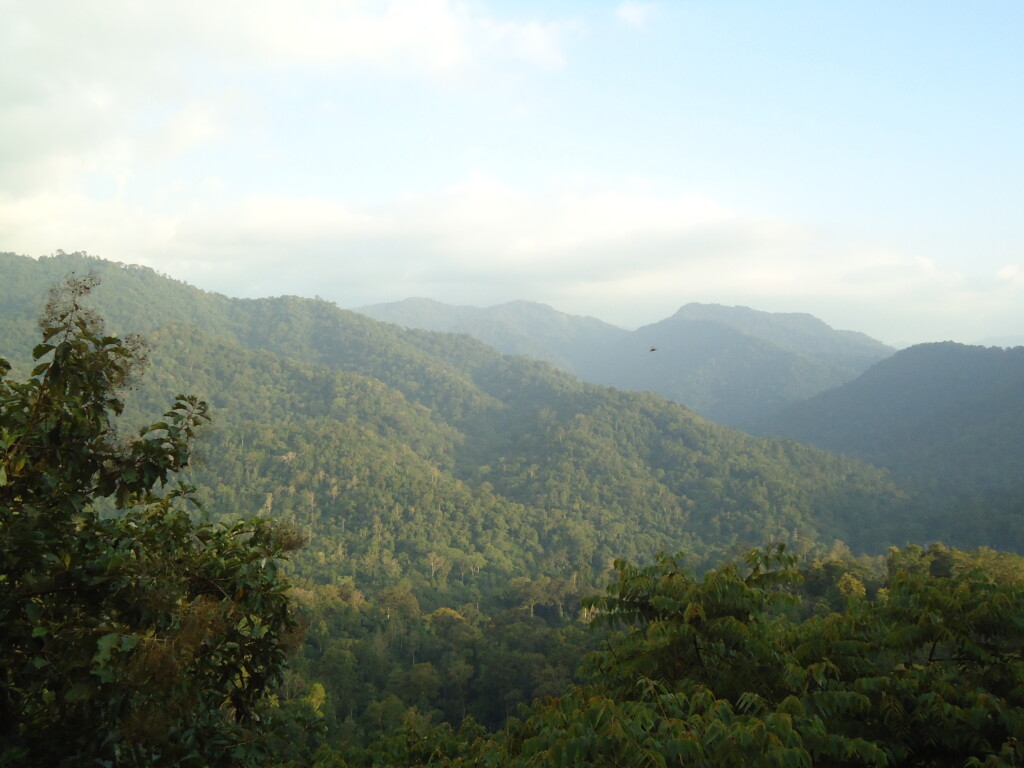
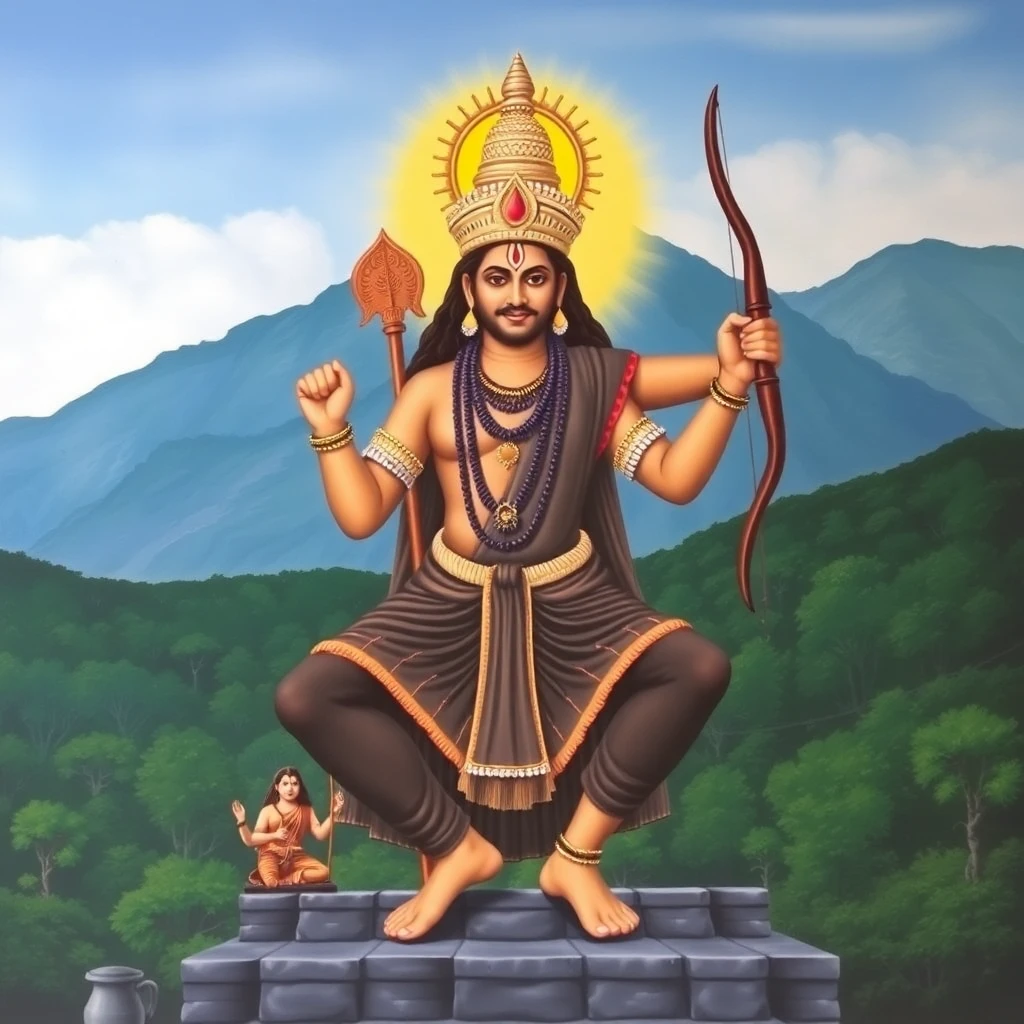
Nestled within the breathtaking expanse of the Western Ghats in Kerala, this sacred site is dedicated to Lord Ayyappa, a revered deity who embodies the spirit of renunciation and devotion. Set against the backdrop of the Periyar Tiger Reserve, the temple attracts millions of devotees each year, who embark on a spiritual journey marked by rigorous austerity and deep personal commitment. It is renowned for one of the largest annual pilgrimages globally, drawing over 50 million worshippers, highlighting its profound significance in the spiritual landscape of India.
The uniqueness of this pilgrimage is reflected in its strict adherence to certain traditions, allowing entry only to men and post-menopausal women, which has been a topic of ongoing societal discussions. The temple’s open periods are specific and limited, creating an atmosphere of anticipation and reverence among those who seek the blessings of Lord Ayyappa, making each visit a deeply transformative experience.
The origins of this sacred site trace back to ancient times, with its roots deeply embedded in Kerala’s rich cultural heritage. According to legend, Lord Ayyappa is believed to be the son of Lord Shiva and Mohini, the enchanting female form of Lord Vishnu. The temple itself is thought to have been established during the 12th century under the patronage of the Pandalam royal family, who played a vital role in propagating the worship of Ayyappa. The site has since evolved into a spiritual epicenter, drawing pilgrims from all corners of the country.
Throughout its history, the temple has witnessed significant events that have shaped its identity. The establishment of the annual pilgrimage, known as the Mandala season, has become a cherished tradition, fostering a sense of unity among devotees. The temple has also faced challenges, including legal disputes regarding its accessibility, reflecting the ongoing dialogue about tradition and inclusivity in contemporary society. Regardless of these challenges, the temple remains a beacon of faith and devotion for millions.
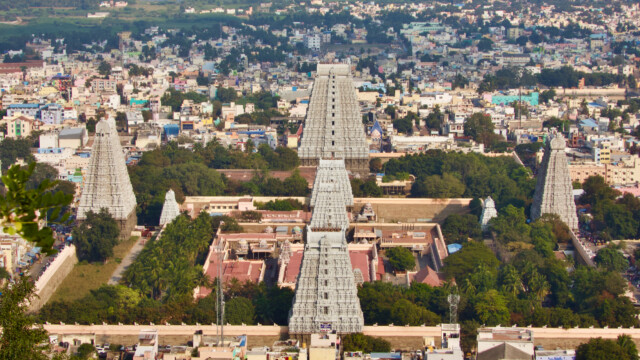
This sacred site is a stunning example of traditional Kerala temple architecture, characterized by its intricate wooden carvings and the distinctive sloping roofs that are emblematic of the region. The main shrine, which houses the idol of Lord Ayyappa, is adorned with ornate sculptures that depict various deities and mythological tales, inviting visitors to delve deeper into the rich tapestry of Hindu mythology. The structure is designed to harmonize with the surrounding natural beauty, enhancing the spiritual ambiance of the pilgrimage.
The temple complex is carefully laid out, featuring multiple halls and sacred spaces that cater to the needs of visiting devotees. The serene environment is further enhanced by the lush greenery of the Western Ghats, making the journey to the temple not just a physical pilgrimage but a soulful encounter with nature and spirituality. The visual appeal of the temple, combined with its tranquil surroundings, creates a space that is both awe-inspiring and deeply reflective.
The significance of this sacred site extends far beyond its physical presence; it is a symbol of devotion, sacrifice, and spiritual awakening. Devotees undertake a rigorous 41-day period of austerities, which includes fasting and celibacy, as a means to purify themselves before embarking on the pilgrimage. This commitment to discipline fosters a profound sense of community among the pilgrims, who often travel together, sharing their hopes and aspirations as they journey toward divine blessings.
Legends associated with Lord Ayyappa further enhance the temple’s sacred importance. From tales of the deity’s divine birth to his triumph over formidable foes, the narratives inspire countless devotees who seek strength and guidance in their own lives. The temple serves as a sanctuary for those in search of peace, resolution, and spiritual fulfillment, making it a cherished destination for many.
The temple is alive with vibrancy, especially during its major annual festivals, which are marked by elaborate rituals and communal celebrations. The Mandala season, which lasts for 41 days, is the most significant time for devotees, culminating in the grand Makara Vilakku festival, which occurs in January. During these times, the temple is illuminated with lights and filled with the sound of devotional songs, creating an atmosphere of joy and reverence. The sight of thousands of devotees adorned in black clothing, symbolizing their commitment and devotion, is a powerful testament to the collective faith that pervades the pilgrimage.
Rituals during these festivals include daily pujas, the lighting of lamps, and the offering of sacred items, all of which are imbued with deep spiritual significance. The sense of camaraderie among pilgrims, as they participate in these time-honored traditions, reinforces their bond with each other and with the divine. Each festival not only reaffirms their faith but also serves to pass down the rich cultural heritage of the temple to future generations.
There are no reviews yet.
Worth ₹2,000 — 100% FREE
Already have an account? Log in
