
Kashi Vishwanath Temple
- Kashi Vishwanath Temple, Varanasi, Uttar Pradesh, India
- April 22, 2026


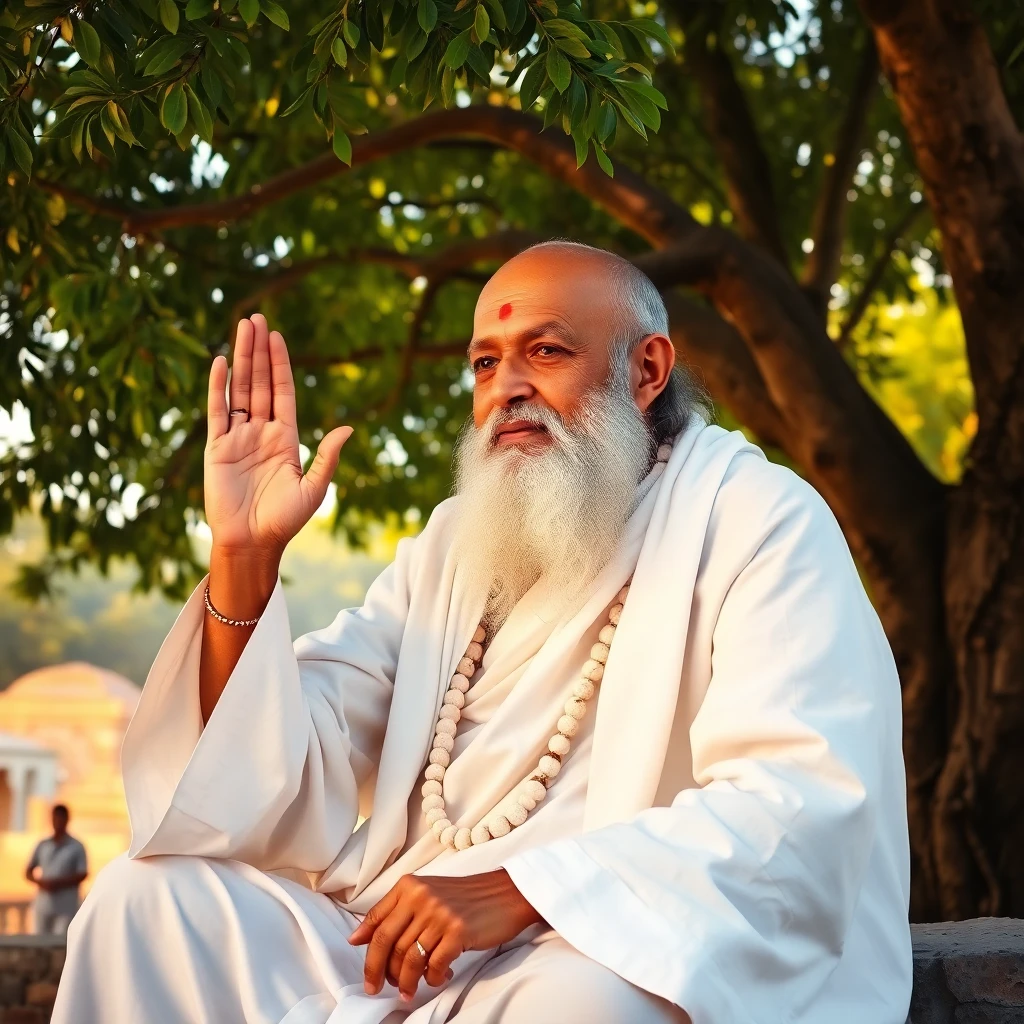
| Main Deity | Sai Baba of Shirdi |
|---|---|
| Location | Shirdi, Ahmednagar, Maharashtra, India |
| Temple Timings | 4:00 AM – 11:15 PM |
| Entry Fee | Free; VIP darshan INR 300-1,500 |
| Best Time to Visit | September-October; Dussehra |
| Significance | One of India's richest religious trusts; multi-faith shrine |
Nestled in the tranquil town of Shirdi, the temple dedicated to Sai Baba stands as a beacon of faith and devotion. This sacred site is not merely a place of worship; it is a sanctuary for countless souls seeking solace, guidance, and spiritual awakening. Every day, over 25,000 devotees from diverse backgrounds gather here, united in their reverence for the saint who transcended the boundaries of religion and caste.
At the heart of this temple lies the Samadhi Mandir, where the revered tomb of Sai Baba rests, serving as a focal point for the spiritual practices of countless followers. The atmosphere is imbued with a profound sense of peace and devotion, making it a pivotal pilgrimage site in India. Visitors come not only to pay their respects but also to experience the compassion and unconditional love that Sai Baba embodied throughout his life.
The origins of this sacred site date back to the mid-19th century, when the enigmatic figure of Sai Baba began to emerge as a spiritual leader in Shirdi. He arrived in the village in the 1850s, and from that moment on, his presence transformed the lives of those around him. Sai Baba’s teachings, which emphasized love, humility, and the oneness of all faiths, drew followers from various walks of life, and his influence grew steadily until his passing in 1918.
After his demise, the place where he had lived and served became a hallowed ground, leading to the construction of the Samadhi Mandir, which was completed in 1954. The temple has since evolved into one of the richest religious trusts in India, with a significant portion of its income directed towards charitable endeavors. This dedication to philanthropy reflects Sai Baba’s teachings, as he often urged his followers to help those in need and to live a life of service.
The architectural style of the temple is a harmonious blend of Hindu and Islamic influences, reflecting the inclusive nature of Sai Baba’s teachings. The Samadhi Mandir, constructed from exquisite white marble, features intricate carvings and a beautifully adorned ceiling that captivates visitors. The main shrine houses a magnificent idol of Sai Baba, depicted in a seated posture, which is draped in vibrant garlands and surrounded by fragrant offerings from devotees.
One of the most striking aspects of the temple is its spacious courtyard, which can accommodate thousands of devotees during festivals and special occasions. The temple’s design incorporates elements that promote a sense of community and togetherness, allowing individuals from all walks of life to gather in prayer and reflection. The serene ambiance, combined with the visual splendor of the architecture, creates a truly uplifting experience for all who enter.
The religious significance of this sacred site is profound, as it serves as a symbol of unity and faith for millions. Devotees come from far and wide, drawn by the legends surrounding Sai Baba’s miraculous deeds and his teachings of love and acceptance. Many believe that simply setting foot in the temple brings blessings and spiritual upliftment. The narrative of Sai Baba’s life, filled with stories of healing and divine grace, continues to inspire countless individuals on their spiritual journeys.
Moreover, the temple embodies the spirit of compassion that Sai Baba advocated. It stands as a reminder of the importance of charity, with the trust managing substantial contributions to various social causes every year. This commitment to helping those in need echoes the core message of the saint, making the temple a living testament to his legacy.
The temple comes alive during major festivals, drawing a massive influx of devotees who partake in the vibrant celebrations. One of the most significant events is the Sai Baba Punyatithi, which commemorates the anniversary of his passing. This occasion is marked by special prayers, processions, and devotional singing, creating an atmosphere of joy and reverence that resonates throughout the temple grounds.
Another notable celebration is the Ram Navami festival, which honors the birth of Lord Rama and is observed with great enthusiasm at the temple. Rituals include elaborate ceremonies, colorful decorations, and the chanting of sacred hymns. During these festivities, the temple transforms into a hub of spiritual energy, where devotees come together to express their devotion and gratitude to Sai Baba.
There are no reviews yet.

Worth ₹2,000 — 100% FREE
Already have an account? Log in
