
Kashi Vishwanath Temple
- Kashi Vishwanath Temple, Varanasi, Uttar Pradesh, India
- April 22, 2026


| Main Deity | Lord Shiva (Baidyanath) |
|---|---|
| Location | Deoghar, Jharkhand, India |
| Temple Timings | 4:00 AM – 3:30 PM; 6:00 PM – 9:00 PM |
| Entry Fee | Free |
| Best Time to Visit | July-August (Shravani Mela); October-March |
| Significance | One of 12 Jyotirlingas; Shakti Peetha |
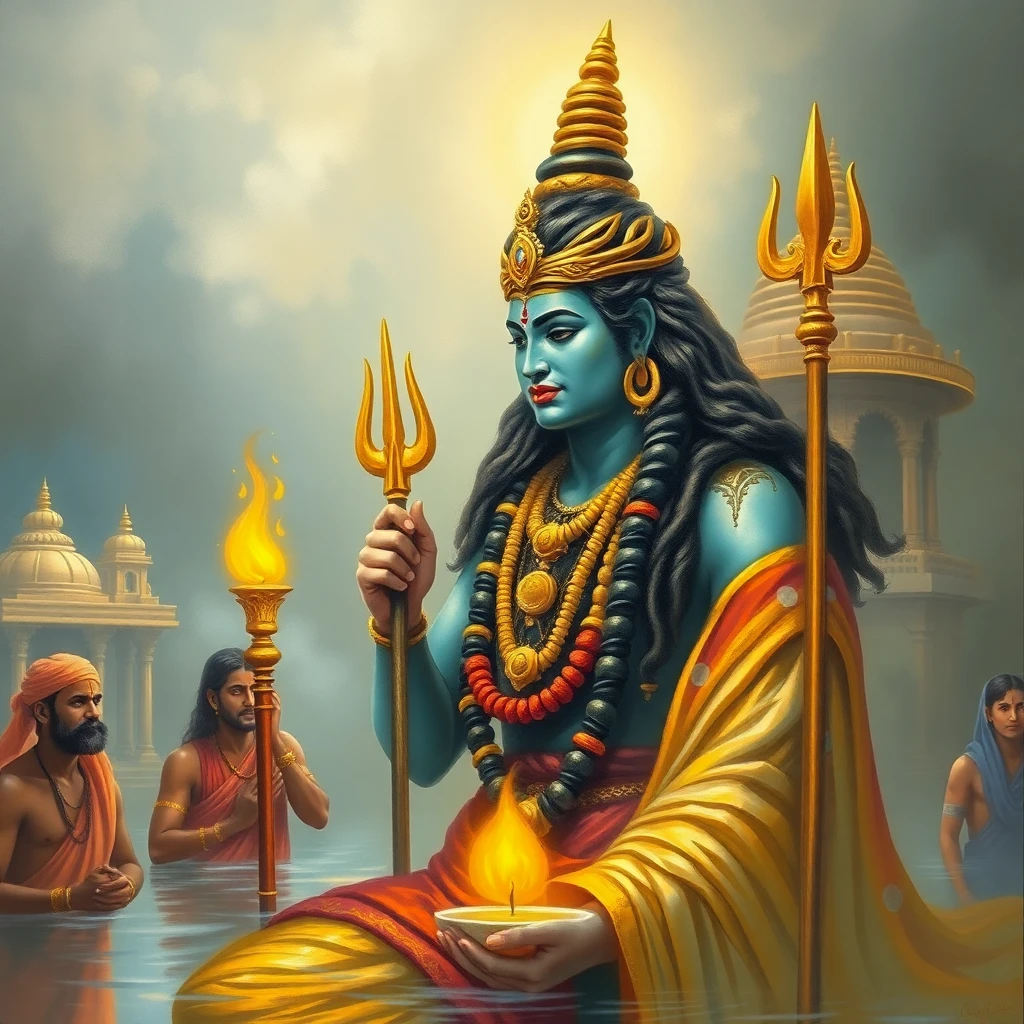
Nestled in the heart of Deoghar, Jharkhand, this sacred site holds a revered place in the hearts of devotees as one of the twelve Jyotirlingas dedicated to Lord Shiva. Known as Baidyanath, the temple is not only a spiritual haven but also a significant pilgrimage destination for millions seeking divine blessings. The atmosphere here is imbued with a profound sense of spirituality, drawing visitors from far and wide who come to experience the divine energy that resonates within its ancient walls.
Beyond its religious importance, the temple serves as a cultural beacon, embodying the rich traditions and practices that have evolved over centuries. With its vibrant rituals and the deep devotion of its visitors, this sacred site is not just a place of worship but also a community where faith and spirituality intertwine, fostering a sense of belonging among devotees.
The origins of this sacred site are steeped in myth and history, with legends tracing back to ancient times. It is believed that the temple was constructed during the reign of the Guhilot dynasty, which flourished in the region. Over the centuries, the temple has undergone various renovations and expansions, reflecting the artistic and architectural styles of different eras. Its association with significant historical figures adds to its allure, marking it as a place of both spiritual and cultural significance.
Throughout its history, the temple has been a witness to many pivotal events, including the establishment of the Shravani Mela, which has grown to become one of the largest religious fairs globally. Each year, the temple attracts thousands of Kanwariyas, who undertake a grueling journey from Sultanganj to Deoghar, carrying sacred water from the Ganges to perform the holy abhishekam. This annual pilgrimage not only underscores the temple’s importance but also highlights the enduring faith that binds devotees to this revered site.
The architectural style of this sacred site is a testament to the artistry and devotion of its builders. The temple complex features intricate carvings and sculptures that depict various deities and mythological scenes, showcasing the rich cultural heritage of the region. Distinctive in its layout, the temple is adorned with a towering spire that rises majestically against the skyline, drawing the eyes and hearts of all who approach.
Within the temple complex, visitors will find 21 other smaller temples, each dedicated to different deities, creating a spiritual oasis that invites exploration and reflection. The blend of natural beauty and architectural grandeur amplifies the divine ambiance, making this sacred site a feast for both the senses and the spirit.
The religious significance of this temple transcends mere worship; it is a place where myths come alive and the divine is tangibly felt. Devotees flock to this sacred site to seek blessings, fulfill vows, and connect with the cosmic energy that Lord Shiva embodies. The legends surrounding the temple, such as the tale of the demon Ravan and his quest for immortality, add layers of depth to its spiritual narrative, fostering a sense of reverence among visitors.
Moreover, the temple is considered one of the 51 Shakti Peethas, adding to its sacred importance for Shakti worshippers. This dual significance of being both a Jyotirlinga and a Shakti Peetha draws a diverse array of devotees, each seeking their own unique experience of divinity.
The temple comes alive during the Shravani Mela, a grand festival that takes place from July to August, which sees the arrival of thousands of pilgrims, known as Kanwariyas. These devotees undertake a challenging pilgrimage, walking over 100 kilometers from Sultanganj with sacred water from the Ganges, a rite that symbolizes purity and devotion. The atmosphere during this time is electric, filled with chants, music, and the vibrant energy of faith.
In addition to the Shravani Mela, the temple hosts various other festivals throughout the year, each marked by unique rituals and celebrations. These events are not just religious observances but also a celebration of community and culture, drawing people together in a shared expression of faith and devotion.
There are no reviews yet.

Worth ₹2,000 — 100% FREE
Already have an account? Log in
