
Kashi Vishwanath Temple
- Kashi Vishwanath Temple, Varanasi, Uttar Pradesh, India
- April 22, 2026


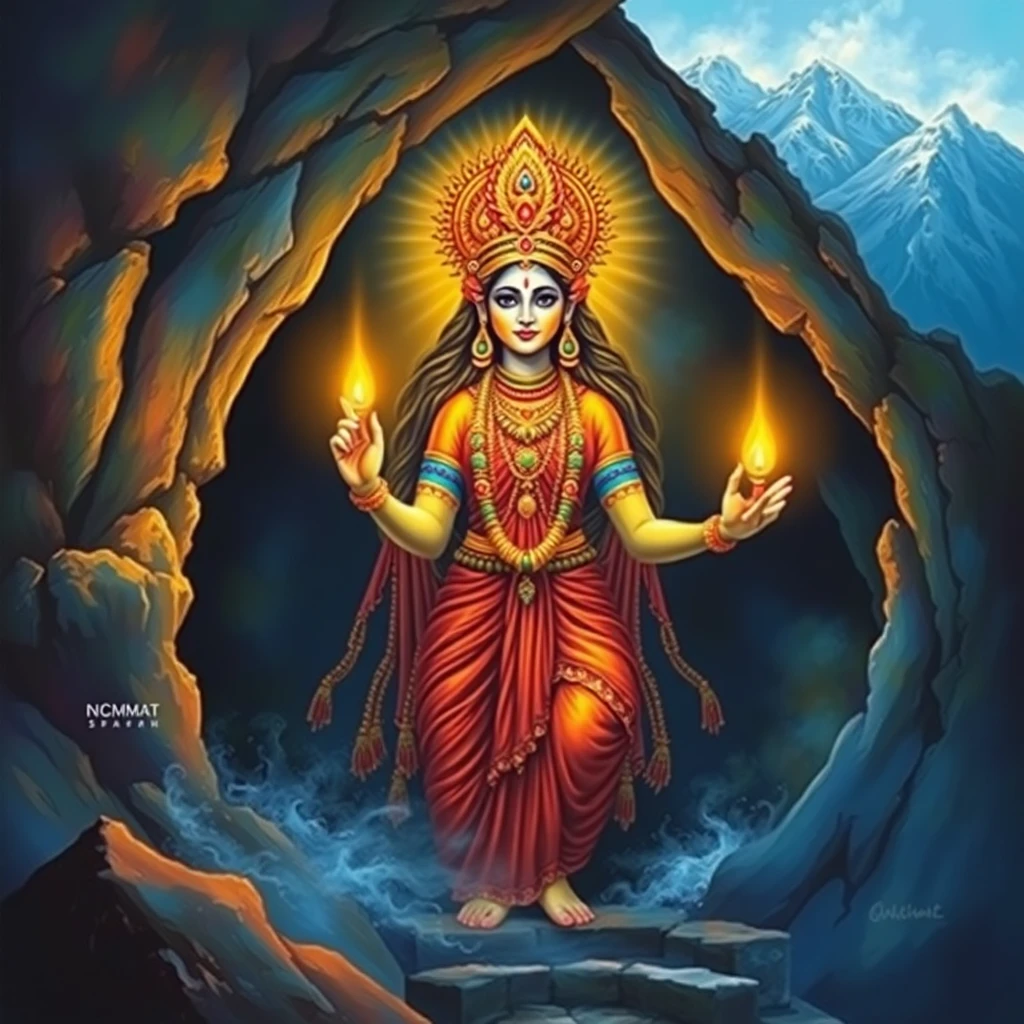
| Main Deity | Mata Vaishno Devi (Goddess Durga/Shakti) |
|---|---|
| Location | Katra, Trikuta Mountains, Jammu and Kashmir, India |
| Temple Timings | 5:00 AM – 12:00 PM; 4:00 PM – 9:00 PM |
| Entry Fee | Free; helicopter charges extra |
| Best Time to Visit | March-October; Navratri peaks |
| Significance | Shakti Peetha; most visited cave temple in India |
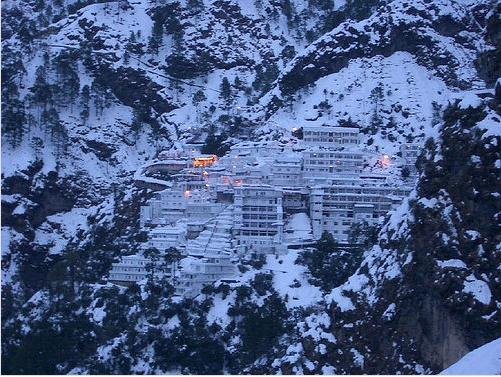
Nestled amidst the majestic Trikuta Mountains in Jammu and Kashmir, this sacred site is a beacon of devotion and spirituality. The Vaishno Devi Temple, dedicated to the revered Goddess Vaishno Devi, draws millions of pilgrims each year, reflecting its status as one of India’s most frequented shrines. Devotees embark on a 13-kilometer trek from the town of Katra, ascending to an elevation of approximately 5,200 feet, where the temple is enshrined in a cave.
This holy abode is not merely a destination; it is a transformative journey of faith and devotion. The deity is represented by three rock formations known as the Pindies, symbolizing the divine presence of the Goddess in her multiple forms. The temple’s tranquil ambiance and the breathtaking Himalayan landscape create an atmosphere that uplifts the spirit, making it a cherished pilgrimage for many seeking solace and spiritual fulfillment.
The origins of this sacred site trace back several centuries, intertwined with the rich tapestry of Indian spirituality and mythology. According to legend, the Goddess manifested herself in the form of Vaishno Devi to assist the divine forces against the tyranny of the demon king Bhairon. The temple’s significance grew over the ages, and its prominence was solidified during the reign of various dynasties, including the Rajputs and the Dogras, who revered this site as a center of spiritual power.
Throughout history, the temple has witnessed numerous key events that have shaped its legacy. In the 19th century, the shrine gained further recognition when Maharaja Gulab Singh, the founder of the princely state of Jammu and Kashmir, contributed to the temple’s development. His efforts, alongside those of devoted followers and local communities, have ensured the preservation and growth of this sacred site over the years, making it a focal point of pilgrimage.
The temple’s architecture is a harmonious blend of natural beauty and spiritual design, seamlessly integrating with the surrounding landscape. As a cave temple, it is characterized by its rugged yet serene environment, where the rock formations themselves become an intrinsic part of the worship experience. The entrance to the temple is adorned with intricate carvings and sculptures, reflecting the artistry and devotion of those who have contributed to its sanctification over the centuries.
Inside, the cave reveals the three Pindies, which are revered as manifestations of the Goddess. These formations are not embellished with idols, emphasizing the raw, unadulterated essence of the divine presence. The simplicity of the cave juxtaposed with the grandeur of the surrounding mountains creates a sacred ambiance that resonates deeply with the hearts of the devotees.
The spiritual significance of this sacred site is profound, drawing millions of devotees who embark on pilgrimages to seek blessings, peace, and fulfillment. The journey to the temple is often seen as a rite of passage, where the trek itself becomes a metaphor for overcoming life’s challenges. Many pilgrims recount miraculous experiences and divine interventions during their visits, further solidifying the temple’s reputation as a powerful spiritual haven.
Legends surrounding the Goddess enhance the temple’s allure, with stories of her divine interventions and guidance inspiring countless individuals. The sacred importance of this site is not just in its historical roots, but also in its living tradition, where devotees find solace and strength in their faith, often returning year after year to express their gratitude and devotion.
The Vaishno Devi Temple is alive with vibrant celebrations and festivals throughout the year, with the most significant being the Navratri festival. During this auspicious period, the temple witnesses a surge in pilgrims, as devotees gather to honor the Goddess in her various forms. Special rituals, prayers, and processions fill the air with devotion, creating an electrifying atmosphere that resonates with the spirit of celebration.
In addition to Navratri, the temple also observes other important occasions, such as the Chaitra and Ashwin Navratras, where rituals are performed with great reverence. Visitors can expect to participate in a variety of ceremonies, offering prayers and seeking blessings, while also enjoying the communal spirit that thrives amongst fellow devotees. The temple’s vibrant festivities reflect the enduring devotion of the people and the timeless connection they share with the divine.
There are no reviews yet.
Worth ₹2,000 — 100% FREE
Already have an account? Log in
