
Kashi Vishwanath Temple
- Kashi Vishwanath Temple, Varanasi, Uttar Pradesh, India
- April 22, 2026


| Main Deity | Lord Shiva (Virupaksha) and Goddess Pampa |
|---|---|
| Location | Hampi, Ballari district, Karnataka, India |
| Temple Timings | 9:00 AM – 9:00 PM |
| Entry Fee | Free |
| Best Time to Visit | October-February |
| Significance | UNESCO World Heritage Site (Group of Monuments at Hampi, 1986) |
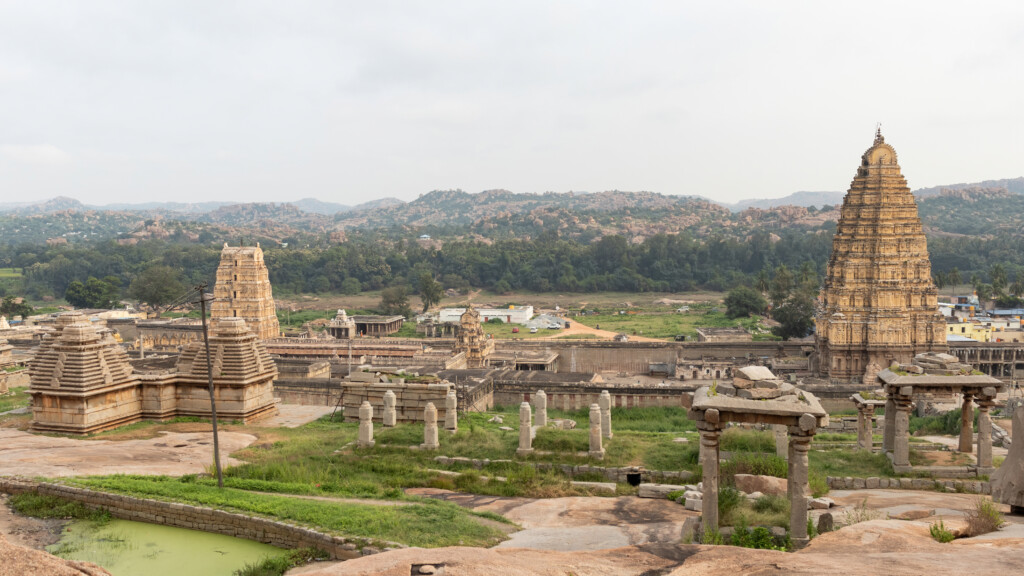
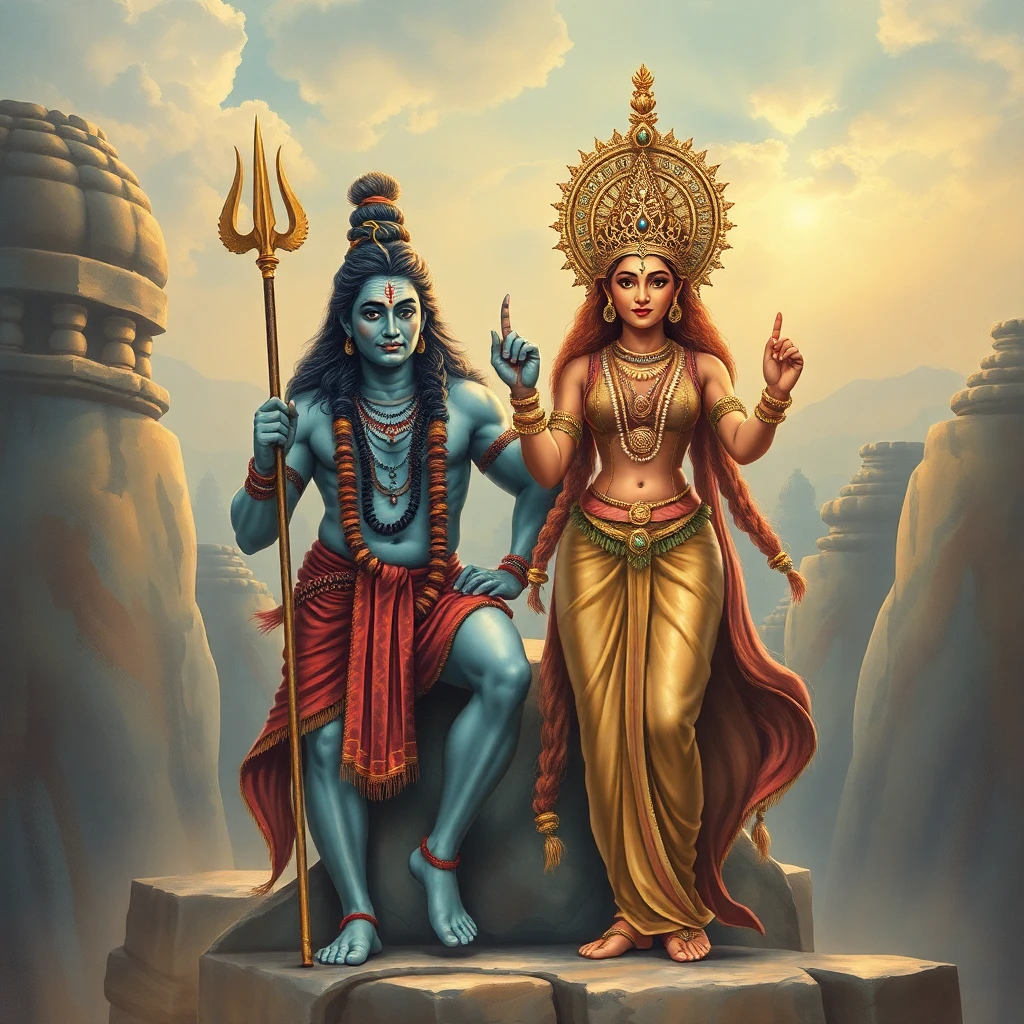
The Virupaksha Temple, an extraordinary embodiment of devotion and artistry, stands as a testament to the rich spiritual heritage of India. Nestled in the enchanting landscape of Hampi, it holds a special place in the hearts of devotees and travelers alike. This sacred site, dedicated to Lord Shiva as Virupaksha and Goddess Pampa, serves as a focal point for worship and a symbol of the enduring faith that has flourished through centuries.
Recognized as one of the oldest temples still in active use, the temple not only draws pilgrims seeking blessings but also captivates historians and architects with its rich tapestry of history and culture. The reverence surrounding this site speaks to its profound spiritual significance, making it a must-visit for anyone wishing to explore the deeper currents of faith in India.
The origins of this sacred site date back to the 7th century when it was established as a modest shrine. Over the centuries, it underwent significant transformations, particularly during the illustrious Vijayanagara Empire, which reigned from the 14th to the 17th centuries. This period of expansion saw the temple flourish into a grand architectural marvel, attracting devotees from far and wide. Initially known as the Pampapathi Temple, it was a vital center of worship and community life, reflecting the vibrant culture of the time.
Hampi, with its rich historical backdrop, saw the temple become a symbol of resilience and religious fervor. The temple not only served as a spiritual hub but also became integral to the socio-political landscape of the time, witnessing numerous key events that shaped the region. Its inclusion in the UNESCO World Heritage Site list further underscores its historical and cultural significance, making it a vital link to India’s illustrious past.
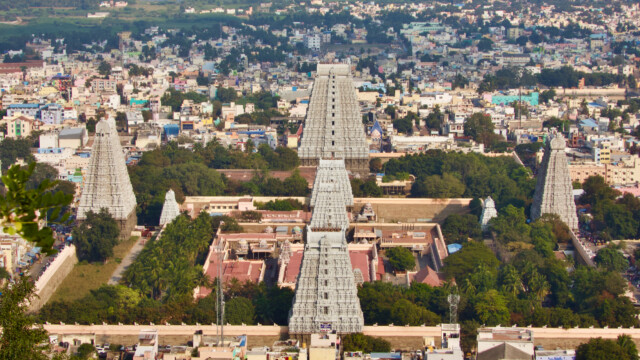
The architectural brilliance of the temple is a sight to behold, characterized by its intricate design and grandeur. It showcases the distinctive style typical of the Vijayanagara architecture, which is renowned for its elaborate carvings and majestic gopurams (towering gateways). The temple complex features a stunning array of fractal patterns, symbolizing the intricate relationship between the divine and the earthly, which adds a unique dimension to its aesthetic appeal.
Among the key features, the towering entrance, adorned with exquisite sculptures, stands as a welcoming façade to devotees and visitors. The interiors are equally mesmerizing, housing intricately carved pillars that tell stories of mythology and devotion. The harmonious blend of artistry and spirituality in this sacred site makes it visually distinctive, leaving an indelible mark on all who enter.
The spiritual allure of the temple draws devotees from various walks of life who seek the blessings of Lord Shiva and Goddess Pampa. The temple is steeped in legends that speak of divine encounters and miraculous events, enriching the faith of those who come to worship. It is not just a site of prayer; it embodies a sanctuary where the divine presence is palpably felt, offering solace and inspiration to countless visitors.
As a sacred space, it plays a vital role in various rites and rituals, particularly marriage ceremonies, which are considered auspicious here. The temple’s enduring significance in the spiritual landscape of India makes it a cherished destination for both personal devotion and collective celebration, fostering a sense of community among its followers.
The temple comes alive during major festivals, drawing enormous crowds and infusing the air with joyous celebration. One of the most prominent events is the annual chariot festival, where the deities are paraded through the streets in a grand procession, accompanied by music, dance, and fervent devotion. This celebration not only honors the deities but also strengthens the bonds of community among devotees.
During these festivities, visitors can expect a vibrant atmosphere, filled with rituals, offerings, and traditional performances that encapsulate the rich cultural heritage of the region. The temple’s rituals during these occasions are steeped in tradition, inviting all who attend to partake in the sacred experience and immerse themselves in the spiritual fervor that characterizes this cherished site.
There are no reviews yet.
Worth ₹2,000 — 100% FREE
Already have an account? Log in
