
Kashi Vishwanath Temple
- Kashi Vishwanath Temple, Varanasi, Uttar Pradesh, India
- April 22, 2026


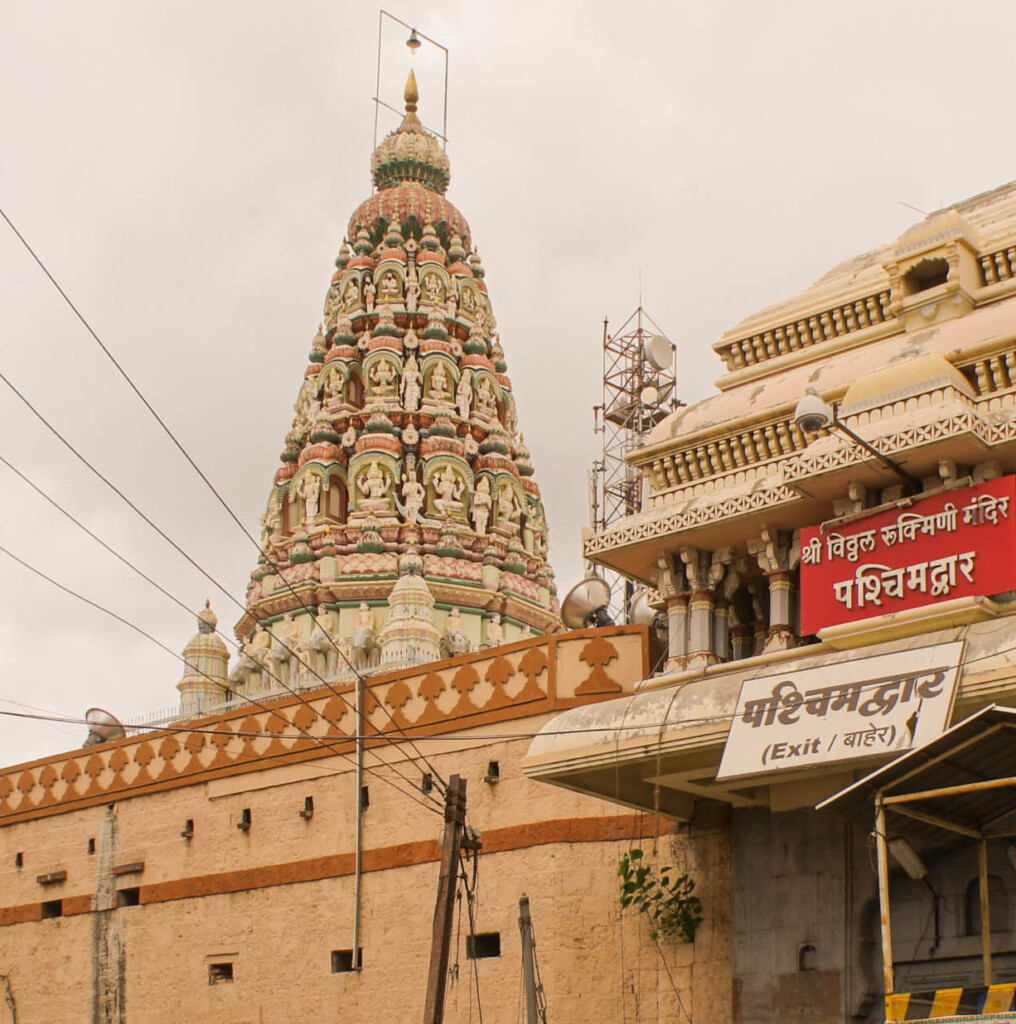
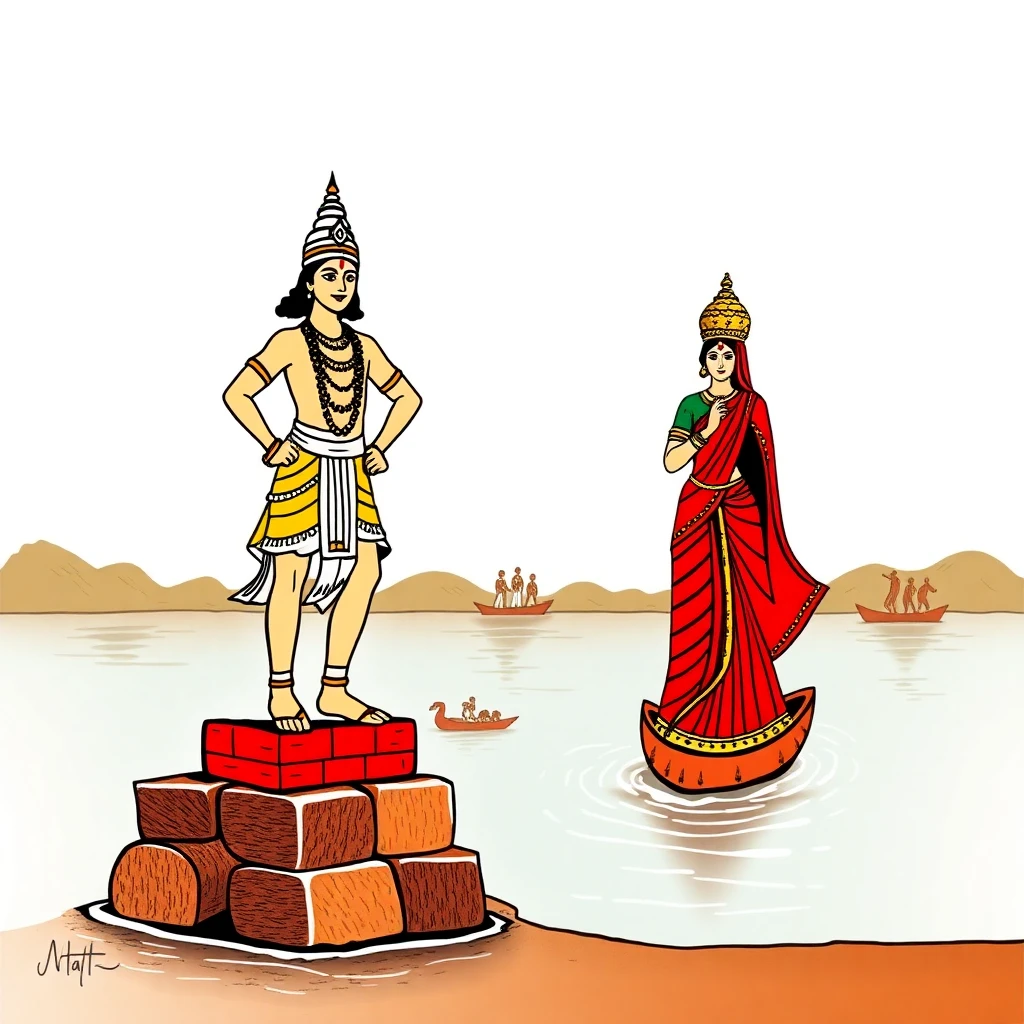
| Main Deity | Lord Vitthal (Vishnu/Krishna) and Goddess Rukmini |
|---|---|
| Location | Pandharpur, Solapur, Maharashtra, India |
| Temple Timings | 4:30 AM – 11:00 PM |
| Entry Fee | Free |
| Best Time to Visit | June-July (Ashadhi Ekadasi); October-November (Kartiki Ekadasi) |
| Significance | Center of Varkari movement; largest pilgrimage in Maharashtra (millions biannually) |
Nestled in the heart of Solapur, Maharashtra, this sacred site is revered as one of the most important temples in the state, dedicated to Lord Vitthal, an incarnation of Lord Vishnu. It stands as a beacon of devotion and spirituality, attracting countless pilgrims who seek solace and connection to the divine. The temple is not just a place of worship; it embodies the vibrant essence of the Varkari movement, which emphasizes the importance of personal devotion over ritualistic practices.
The atmosphere within the temple is imbued with a palpable sense of reverence and community. Every year, millions of devotees embark on the Wari pilgrimage, making their way to Pandharpur during the auspicious occasions of Ashadhi and Kartiki Ekadasi. This pilgrimage is a testament to the enduring faith and devotion that the temple inspires, uniting people from all walks of life in their shared love for the divine.
The origins of this sacred site can be traced back to the 13th century, intertwined with the rich tapestry of Maharashtra’s spiritual heritage. It became a focal point for the Varkari movement, a devotional tradition that sought to promote bhakti, or love for God, among the people. The temple’s association with prominent saint-poets like Dnyaneshwar, Namdev, Eknath, and Tukaram adds to its historical significance, as these figures contributed immensely to Marathi literature and spirituality.
Throughout the centuries, the temple has witnessed the patronage of various dynasties, each leaving behind their mark on its evolution. The most significant developments occurred during the reign of the Yadava dynasty, which played a pivotal role in establishing the temple as a major pilgrimage center. Over the years, the temple has undergone several renovations and expansions, ensuring that it remains a vibrant hub of worship and community.
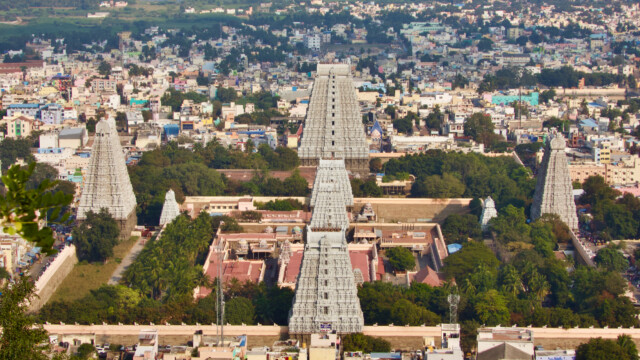
The architectural style of this sacred site is a harmonious blend of traditional Indian temple design, characterized by intricate carvings and ornate decorations that reflect the artistry of its builders. The temple features a striking entrance adorned with beautifully sculpted motifs that tell stories of the deities worshipped within. The sanctum sanctorum, where the idol of Lord Vitthal resides, is particularly renowned for its exquisite craftsmanship, capturing the essence of divinity in stone.
One of the most distinctive features of the temple is its grand courtyard, which serves as a gathering place for devotees. This expansive space is often filled with the sounds of chanting and devotional songs, creating an atmosphere of spiritual upliftment. The temple’s overall design invites visitors to engage in both worship and contemplation, fostering a deep connection with the divine.
This sacred site holds immense religious significance for devotees, who come from far and wide to seek the blessings of Lord Vitthal and Goddess Rukmini. According to local legends, the temple is believed to be a place where the divine couple descended to Earth, further enhancing its spiritual allure. The rituals performed here, steeped in centuries-old traditions, evoke a deep sense of belonging and reverence among the faithful.
Moreover, the temple serves as a symbol of unity, transcending social and cultural barriers. The teachings of the saint-poets associated with this site emphasize love, compassion, and devotion, making it a source of inspiration for those who visit. The sacred atmosphere created by the collective prayers and chants of the devotees is a powerful reminder of the divine presence that permeates this holy ground.
Throughout the year, this sacred site comes alive with vibrant festivals and celebrations that draw thousands of pilgrims. The Ashadhi Ekadasi and Kartiki Ekadasi are the most significant occasions, marking two major annual pilgrimages that see a surge of devotees arriving in Pandharpur. During these times, the temple is adorned with flowers and lights, creating a breathtaking sight that reflects the joy and devotion of the gathered crowds.
During these festivals, elaborate rituals take place, including the ceremonial bathing of the idols and the offering of traditional sweets and delicacies to the deities. The atmosphere is filled with the sounds of devotional music, as various groups sing bhajans and hymns, infusing the air with spiritual energy. For many, participating in these celebrations is a deeply enriching experience, fostering a sense of community and shared purpose among those who make the pilgrimage.
There are no reviews yet.
Worth ₹2,000 — 100% FREE
Already have an account? Log in
