
Kashi Vishwanath Temple
- Kashi Vishwanath Temple, Varanasi, Uttar Pradesh, India
- April 22, 2026


| Main Deity | Goddess Yamuna |
|---|---|
| Location | Uttarkashi, Bandarpunch range, Uttarakhand, India |
| Temple Timings | Opens May; Closes November |
| Entry Fee | Free |
| Best Time to Visit | May-June; September-October |
| Significance | Part of Chota Char Dham Yatra |
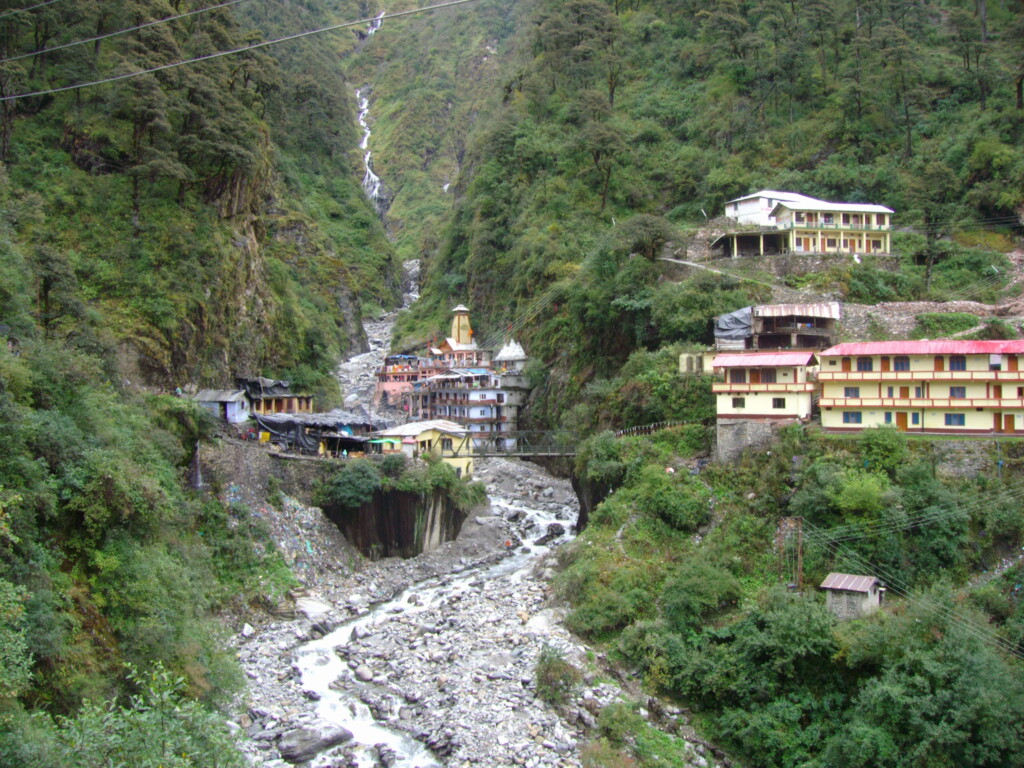
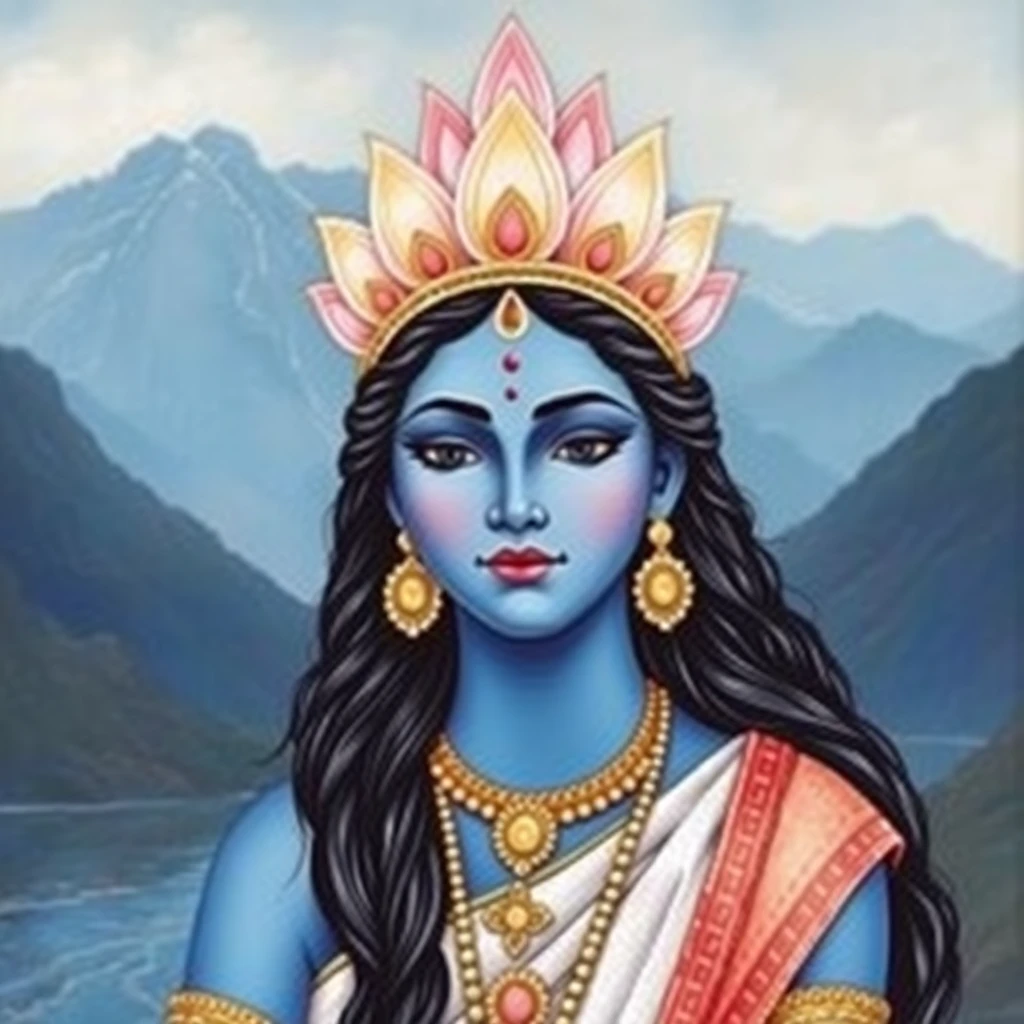
Nestled in the serene heights of the Bandarpunch mountain range in Uttarkhand, this sacred site is dedicated to Goddess Yamuna, the revered river goddess and elder sister of Yama, the god of death. As one of the pivotal stops in the Char Dham Yatra, the temple holds immense spiritual significance for countless pilgrims who traverse this hallowed path in search of divine blessings and spiritual upliftment. Standing at an altitude of 3,291 meters, the temple not only marks the source of the Yamuna River but also serves as a beacon of faith for those who seek a deeper connection to the divine.
The temple opens its doors to devotees in May, welcoming them to experience a profound sense of spirituality amidst the pristine landscapes that surround it. Visitors are often drawn not only by the beauty of the Himalayan foothills but also by the promise of healing and rejuvenation found in the nearby Surya Kund, a natural hot spring celebrated for its purported therapeutic properties. This sacred site is more than just a destination; it is a pilgrimage that encapsulates the essence of devotion and the quest for spiritual enlightenment.
The origins of this temple are steeped in legend and history, with references to its significance dating back centuries. It is believed that the temple was established during the 19th century, under the auspices of the princely state of Tehri Garhwal, although the reverence for Goddess Yamuna is much older, intertwined with the ancient texts and traditions of Hinduism. The temple has witnessed the ebb and flow of dynasties, each leaving behind a legacy of devotion and reverence.
A key moment in the temple’s history occurred when it became an integral part of the Char Dham Yatra, a pilgrimage that includes Yamunotri, Gangotri, Kedarnath, and Badrinath. This pilgrimage has not only enhanced its prominence among devotees but has also played a crucial role in preserving the spiritual and cultural heritage of the region. The temple continues to be a focal point for those seeking solace and divine connection, standing as a testament to the enduring legacy of faith in the Himalayas.
<pThe architectural style of the temple is a harmonious blend of traditional Himalayan design, characterized by its wooden structures and intricate carvings that reflect the rich cultural heritage of the region. The temple's façade is adorned with vibrant colors and motifs that capture the essence of nature and spirituality, inviting visitors to immerse themselves in its sacred atmosphere. The simplicity of its design, coupled with the breathtaking backdrop of snow-capped peaks, creates a visual narrative that resonates deeply with the hearts of pilgrims.
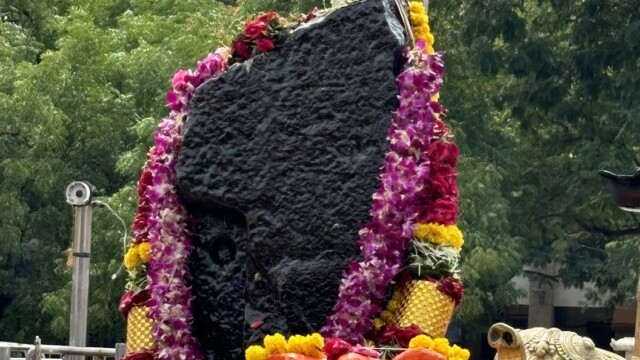
Among the temple’s distinctive features is the sacred idol of Goddess Yamuna, which is made from black marble and is adorned with a variety of offerings from devotees. The presence of Surya Kund nearby adds to the allure of the temple, where the steam rises from the hot spring, enveloping the area in an ethereal mist. This unique combination of natural beauty and spiritual significance makes the temple a sight to behold, offering a tranquil escape for those seeking divine connection and reflection.
Devotees flock to this sacred site not only to pay homage to Goddess Yamuna but also to seek her blessings for prosperity, health, and spiritual awakening. The temple is steeped in several legends, one of which narrates how the goddess herself emerged from the celestial realm, embodying purity and grace. As pilgrims gather to offer prayers, they partake in the rich tapestry of stories that have been passed down through generations, reinforcing their connection to the divine.
The Yamuna, as a river, holds profound significance in Hinduism, symbolizing life and nourishment. By visiting the temple, devotees believe they are not only honoring the goddess but also participating in the eternal cycle of life and spirituality. The temple thus serves as a conduit for divine energy, providing a space for reflection, prayer, and transformation for all who seek it.
The temple comes alive during various festivals throughout the year, with the most notable being the celebration of Makar Sankranti, where devotees gather to honor the goddess with grand ceremonies and rituals. This auspicious occasion marks the transition of the sun into the zodiac sign of Capricorn, and the temple becomes a center of festivity, filled with music, dance, and the vibrant energy of collective devotion.
Another significant event is the celebration of the annual Ganga Dussehra, which draws pilgrims eager to purify themselves in the sacred waters of the Yamuna. During these festivals, the atmosphere is charged with reverence as rituals are performed with great fervor, and the temple resonates with the sounds of chanting and prayers, creating an immersive spiritual experience for all who attend. These gatherings not only reinforce communal bonds but also deepen the individual’s connection to the divine.
There are no reviews yet.
Worth ₹2,000 — 100% FREE
Already have an account? Log in
