
An Overview of the Bhagavata Purana
16 July 2026
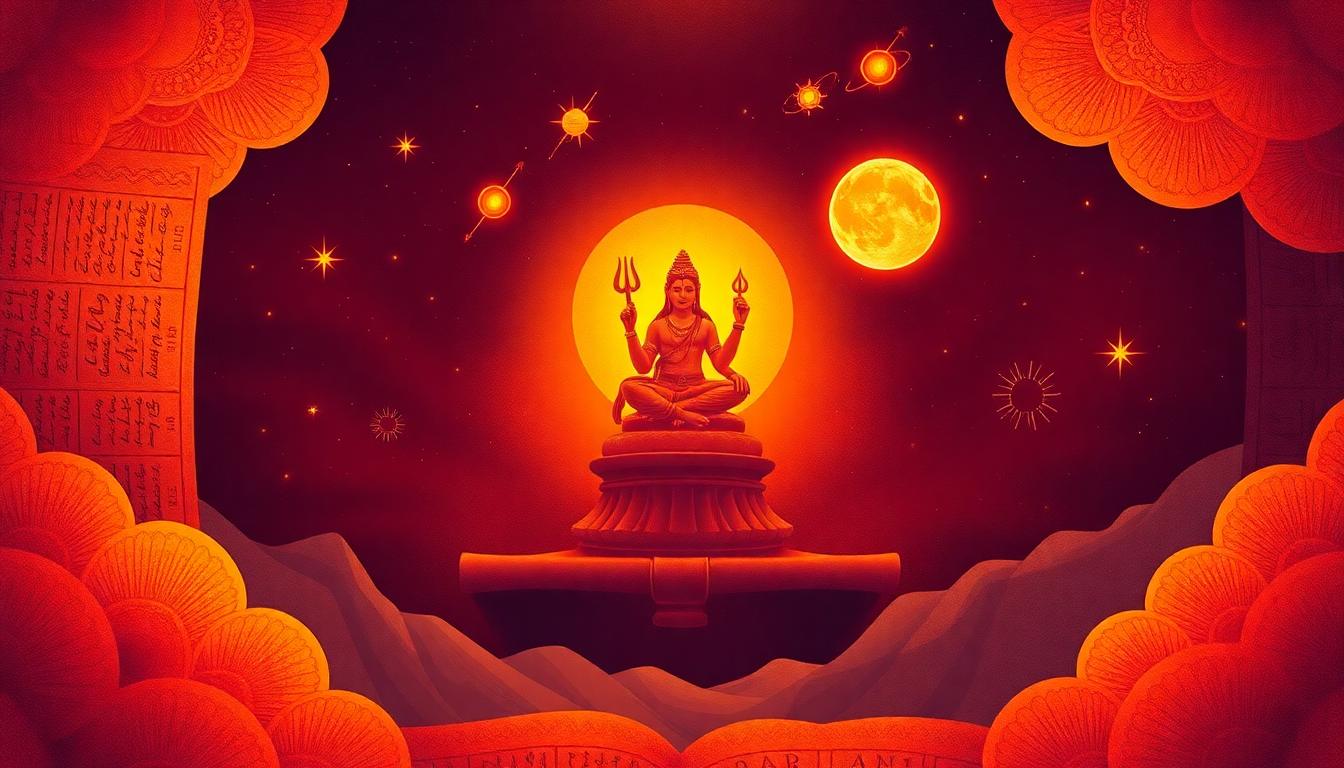
The Bhagavata Purana, one of the eighteen Mahāpurāṇas, holds a distinguished place within Hindu spirituality and literature. Traditionally attributed to the sage Vyasa, this ancient text is revered for its deep philosophical insights and rich narrative style, embodying the essence of Bhakti—devotion to God. As a comprehensive scripture, the Bhagavata Purana encompasses a wide range of topics, including cosmology, mythology, theology, and ethics, making it a cornerstone of Hindu thought and practice.
The Bhagavata Purana consists of twelve books, known as Cantos or Skandhas, which collectively contain around eighteen thousand verses. Each Skanda is divided into chapters that explore various themes, characters, and divine narratives. The first Skanda introduces the creation of the universe and the greatness of Lord Vishnu, who is central to the text. Subsequent Skandas delve into the stories of various avatars of Vishnu, with a significant focus on the life and teachings of Lord Krishna, who is portrayed as the supreme manifestation of divinity. The text's structure allows for a dynamic interplay between mythological storytelling and philosophical discourse, enriching the reader's understanding of the divine.
One of the primary themes of the Bhagavata Purana is the concept of devotion or Bhakti. The text emphasizes the importance of surrendering to God and cultivating a personal relationship with the divine. Through the narratives of Krishna's life, from his miraculous childhood exploits to his profound teachings in the Bhagavad Gita, the Purana illustrates how devotion transcends ritualistic practices and connects the believer with the divine essence. This emphasis on Bhakti has made the Bhagavata Purana a vital source of inspiration for countless devotees and spiritual seekers throughout the centuries.
Another significant theme is the portrayal of divine play, or Lila, particularly in the context of Krishna's life. The stories of Krishna’s childhood, including his playful interactions with the gopis (cowherd girls) and his heroic deeds, highlight the joyous and playful nature of the divine. This aspect of Lila serves to remind devotees that the divine is not only to be revered with solemnity but also embraced with love and joy. The playful interactions depicted in the Purana invite individuals to approach spirituality with a sense of wonder and delight, fostering a deeper emotional connection to the divine.
The Bhagavata Purana also addresses the moral and ethical dimensions of life, presenting tales that emphasize righteousness (Dharma) and the consequences of one's actions. Through the examples of both divine and mortal characters, the text illustrates the importance of living a virtuous life in accordance with dharma, ultimately guiding individuals toward spiritual liberation (Moksha). The moral teachings woven throughout the narratives serve as timeless lessons for adherents, encouraging them to lead lives of integrity and compassion.
In the context of Hindu tradition, the Bhagavata Purana is not merely a historical or literary artifact; it is a living scripture that continues to inspire and shape spiritual practices. Its narratives have been a source of artistic expression, influencing classical dance, music, and visual arts across various cultures in India. The festivals celebrating Krishna, such as Janmashtami, are deeply rooted in the stories told within this Purana, bringing communities together in a shared expression of devotion.
Moreover, the Bhagavata Purana has played a crucial role in the development of various philosophical schools within Hinduism, particularly those emphasizing the path of Bhakti. Thinkers like Chaitanya Mahaprabhu have drawn extensively from its teachings to promote a more personal and emotional approach to spirituality, making the divine accessible to all, regardless of caste or social status.
In summary, the Bhagavata Purana stands as a profound testament to the richness of Hindu spirituality. Through its intricate narratives, philosophical depth, and emphasis on devotion, it offers a holistic understanding of the divine and the path to spiritual fulfillment. As both a sacred text and a cultural repository, it continues to resonate with devotees, scholars, and seekers, ensuring its relevance and significance in the spiritual landscape of Hinduism.
Read more daily wisdom, panchang, and personal Kundli guidance in the Sanathan app.
Be a part of the Sanathan movement
Follow Sanathan, share this page with someone who'd love it, and help carry Sanatan Dharma's wisdom to more hearts, one page at a time.
Jai Shri Ram! 🚩 🕉️
Explore the Sanathan Way