
Mahabharata Cast of Characters: An Overview
16 July 2026
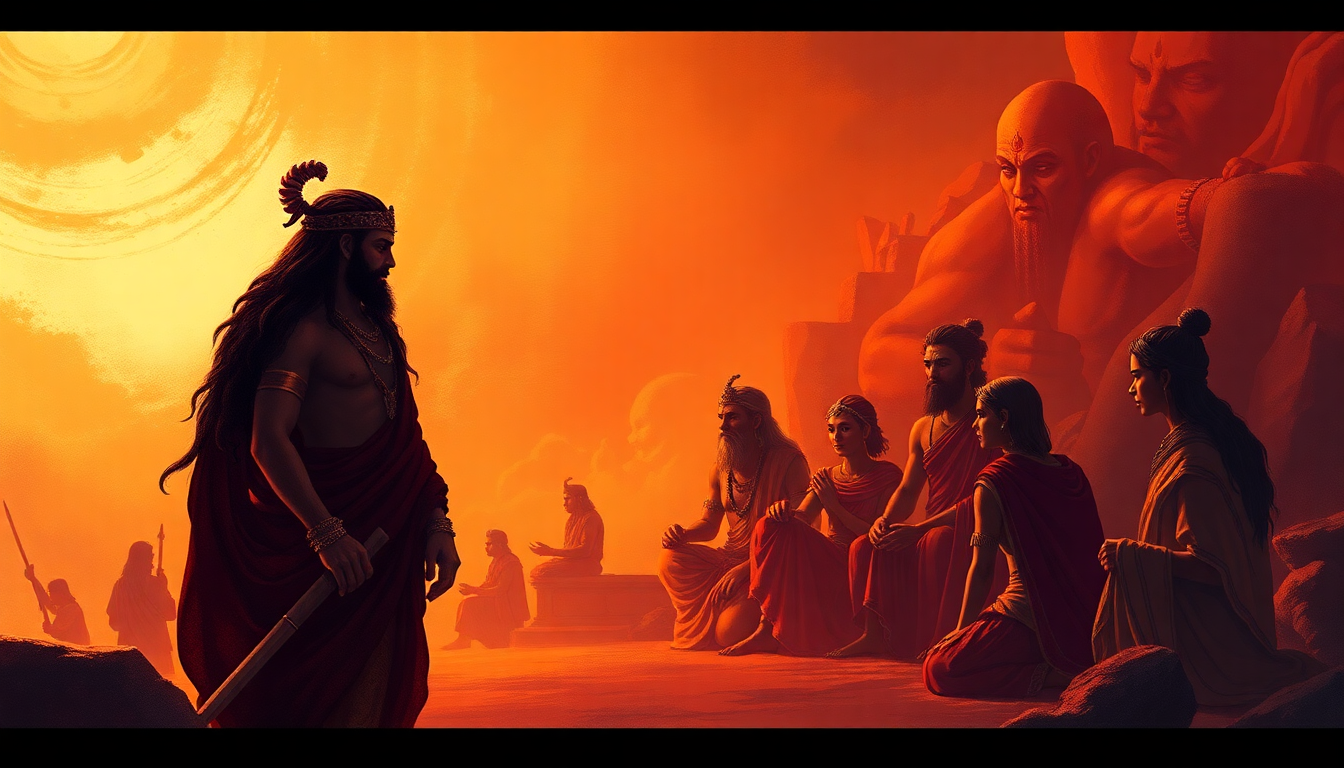
The Mahabharata, one of the two great epics of Hindu literature, is a complex narrative woven with intricate characters and moral dilemmas. At its core, the epic revolves around the conflict between two groups of cousins, the Pandavas and the Kauravas, and their struggle for power, righteousness, and dharma. This monumental tale introduces a rich tapestry of characters, each contributing to the unfolding drama in profound ways.
The Pandavas, five brothers born to King Pandu through divine intervention, are central to the Mahabharata. Yudhishthira, the eldest, embodies truth and righteousness; his adherence to dharma often puts him in challenging situations. Bhima, the second brother, is known for his immense strength and fierce loyalty, especially towards his wife, Draupadi. Arjuna, the third brother, is a master archer and the hero of the epic, whose internal conflicts and moral dilemmas are encapsulated in his conversations with Krishna during the Bhagavad Gita. Nakula and Sahadeva, the twin brothers, are celebrated for their skills in horse riding and knowledge, respectively, and they complete the ensemble of the Pandavas, each contributing to the narrative's depth.
On the opposing side, the Kauravas, a hundred brothers led by the ambitious Duryodhana, represent the darker aspects of ambition and jealousy. Their rivalry with the Pandavas is fueled by a desire for power and recognition. Duryodhana's character is complex; he is not merely a villain but a figure driven by his perception of honor and loyalty to his family. His brother, Dusshasana, plays a crucial role in the infamous disrobing of Draupadi, an act that catalyzes the conflict between the two factions.
Krishna, a pivotal figure in the Mahabharata, serves as a charioteer to Arjuna and a divine guide throughout the epic. His teachings in the Bhagavad Gita provide profound philosophical insights on duty, righteousness, and the nature of reality. Krishna's role transcends that of a mere advisor; he is a god incarnate whose strategic interventions shape the course of the war and the destinies of the characters involved.
Bhishma, the grand-uncle of both the Pandavas and Kauravas, stands as a symbol of loyalty and sacrifice. Bound by his vow of celibacy and service, he is a tragic figure caught between his duty to the throne and his love for his family. His wisdom and experience make him a formidable warrior, yet his adherence to his vows complicates his role in the conflict. Bhishma's eventual fall in battle represents the clash between personal duty and familial loyalty, a recurring theme in the Mahabharata.
Drona, the royal teacher of both the Pandavas and Kauravas, embodies the complexities of loyalty and duty as well. His commitment to his students is unwavering, yet he finds himself in a precarious position during the war, forced to choose sides. Drona's character raises questions about the responsibilities of a teacher and the moral dilemmas faced when personal allegiances conflict with professional duty.
Karna, one of the most tragic figures in the Mahabharata, is born to the unwed princess Kunti and raised by a charioteer. His life is marked by a quest for identity and acceptance. Despite his exceptional skills as a warrior, Karna is often rejected by society due to his lowly origins. His friendship with Duryodhana offers him a sense of belonging, yet it also leads him into conflict with the Pandavas, particularly with Arjuna. Karna's unwavering loyalty to Duryodhana and his tragic fate evoke deep sympathy, highlighting the themes of fate, loyalty, and the consequences of one's choices.
Draupadi, the wife of the five Pandavas, is a powerful and pivotal character whose dignity and honor become central to the narrative. Her humiliation in the Kaurava court serves as a catalyst for the war, igniting the flames of vengeance and righteousness. Draupadi's strength, intelligence, and resilience make her a symbol of womanhood in the epic, challenging the patriarchal norms of her time. Her character adds a significant dimension to the moral questions raised throughout the Mahabharata, particularly regarding justice and honor.
The Mahabharata's cast of characters is not merely a collection of heroes and villains; they are deeply human, embodying the complexities of morality, duty, and the human experience. Each character's journey intertwines with the others, creating a rich narrative tapestry that continues to resonate with readers and listeners alike. Through their struggles, triumphs, and failures, the Mahabharata offers profound lessons on the nature of dharma, the consequences of choice, and the eternal quest for truth. As we delve into the lives of these characters, we uncover the timeless wisdom that has made the Mahabharata a cornerstone of Hindu spirituality and philosophy.
Read more daily wisdom, panchang, and personal Kundli guidance in the Sanathan app.
Be a part of the Sanathan movement
Follow Sanathan, share this page with someone who'd love it, and help carry Sanatan Dharma's wisdom to more hearts, one page at a time.
Jai Shri Ram! 🚩 🕉️
Explore the Sanathan Way