
What Is Maya in Hindu Philosophy?
16 July 2026
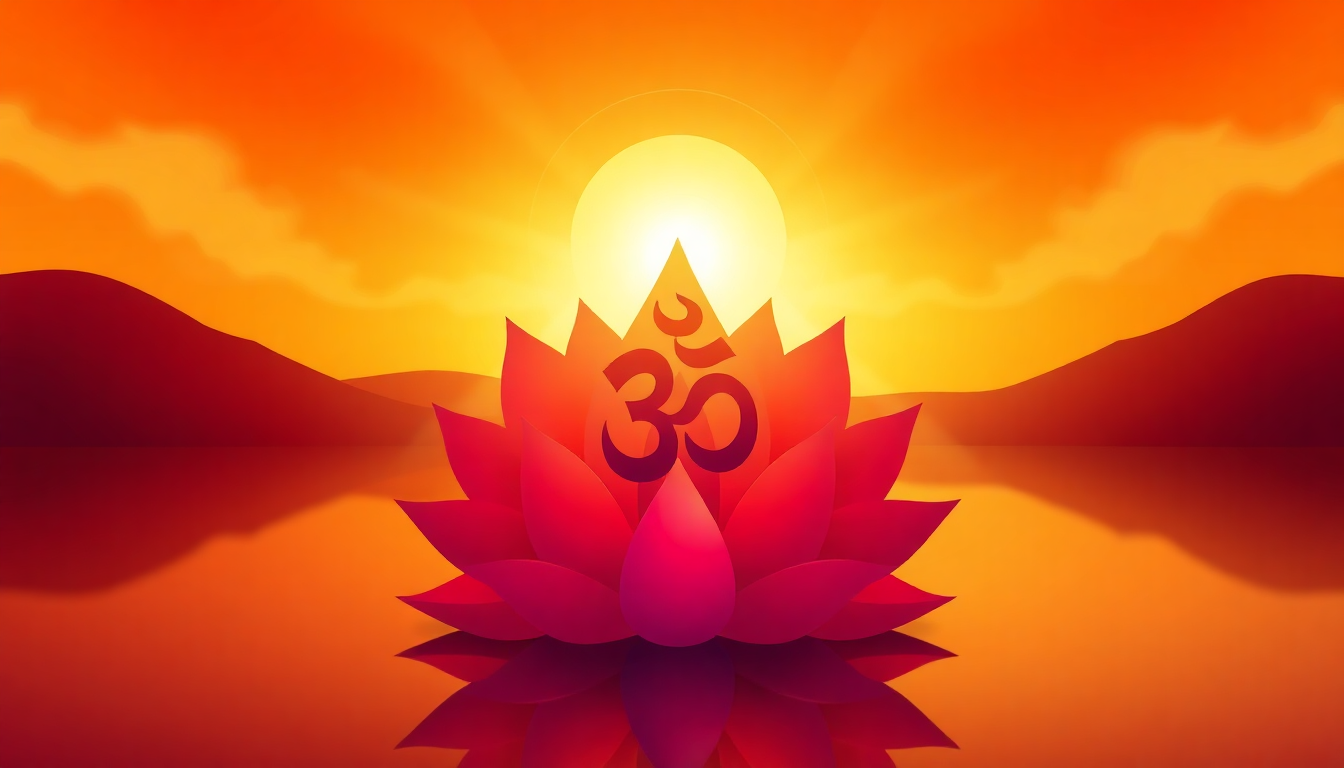
Maya is a fundamental concept in Hindu philosophy that addresses the nature of reality and illusion. The term itself is derived from the root "ma," which means to measure or to create. In various schools of thought within Hinduism, Maya represents the illusory nature of the world, prompting profound explorations of existence, perception, and the ultimate truth. Understanding Maya requires delving into the diverse interpretations offered by different philosophical traditions, including Advaita Vedanta, Dvaita Vedanta, and various schools of thought within Samkhya and Yoga.
In Advaita Vedanta, a non-dualistic school founded by the philosopher Adi Shankaracharya, Maya is often understood as the cosmic illusion that veils the true nature of reality. According to this perspective, the ultimate reality is Brahman, the unchanging, infinite consciousness that transcends all dualities. Maya is what creates the appearance of a separate, diverse world, leading individuals to believe in the reality of their material existence and the multiplicity of forms. This belief in duality distracts from the realization of one's essential unity with Brahman. Shankaracharya taught that liberation (moksha) involves transcending Maya through self-inquiry and the realization of one's true nature as Atman, which is identical to Brahman.
On the other hand, in Dvaita Vedanta, founded by Madhvacharya, the interpretation of Maya differs significantly. Dvaita posits a dualistic view of reality, where the individual soul (jiva) is distinct from God (Ishvara). Here, Maya is seen as the divine energy that enables the creation and maintenance of the universe, but it does not obscure the fundamental distinction between the creator and the created. In this view, realization involves recognizing the separateness and individuality of the soul in relation to God, rather than merging into a singular consciousness. Thus, while Maya is acknowledged as a powerful force, it serves a different purpose within the framework of Dvaita.
The Samkhya and Yoga schools also engage with the concept of Maya, albeit in a different context. Samkhya philosophy, which serves as a foundational text for Yoga, distinguishes between Purusha (consciousness) and Prakriti (nature or matter). In this framework, Maya is often associated with Prakriti, the material world that is governed by the three gunas (sattva, rajas, and tamas). Here, Maya is not necessarily an illusion but rather the dynamic interplay of these qualities that gives rise to the phenomenal world. The goal of spiritual practice is to discern the true nature of the self (Purusha) as separate from the changing manifestations of Prakriti, thereby achieving liberation from the cycle of birth and death.
In addition to these philosophical interpretations, Maya is also a significant theme in the context of devotional practices (bhakti). In many devotional traditions, Maya is viewed as a divine play (lila) of the Supreme Being. This perspective emphasizes the idea that the world, while illusory in its separateness, is also a manifestation of divine creativity and love. Here, devotees engage with Maya through worship and devotion, recognizing the divine presence within the apparent multiplicity of existence. Such an approach highlights the interplay between illusion and reality, where the experience of devotion itself becomes a pathway to the realization of the divine.
Furthermore, the teachings found in the Upanishads, the Bhagavad Gita, and various Puranas provide rich insights into the nature of Maya, often emphasizing the importance of knowledge (jnana) and wisdom in overcoming ignorance (avidya) that Maya entails. The texts encourage seekers to cultivate discernment (viveka) to distinguish between the eternal and the transient, guiding them toward liberation.
In contemporary discussions of Maya, there is often a focus on its relevance to modern life. Many spiritual practitioners explore how the concept can inform their understanding of personal experiences and societal constructs. The idea that much of what we perceive may be illusory resonates with the challenges of navigating a world filled with distractions, desires, and misconceptions. By recognizing the transient nature of phenomena, individuals may find a greater sense of peace and clarity in their spiritual journeys.
In summary, Maya is a multifaceted concept in Hindu philosophy that captures the tension between illusion and reality. From the non-dual interpretations of Advaita Vedanta to the dualistic perspectives of Dvaita and the dynamic interplay of Samkhya, the understanding of Maya varies widely among different schools of thought. Ultimately, engaging with the notion of Maya invites individuals to reflect on their own perceptions and realities, encouraging a deeper exploration of the nature of existence and the pursuit of spiritual truth.
Read more daily wisdom, panchang, and personal Kundli guidance in the Sanathan app.
Be a part of the Sanathan movement
Follow Sanathan, share this page with someone who'd love it, and help carry Sanatan Dharma's wisdom to more hearts, one page at a time.
Jai Shri Ram! 🚩 🕉️
Explore the Sanathan Way