
What Is the Meaning of Om in Hinduism?
16 July 2026
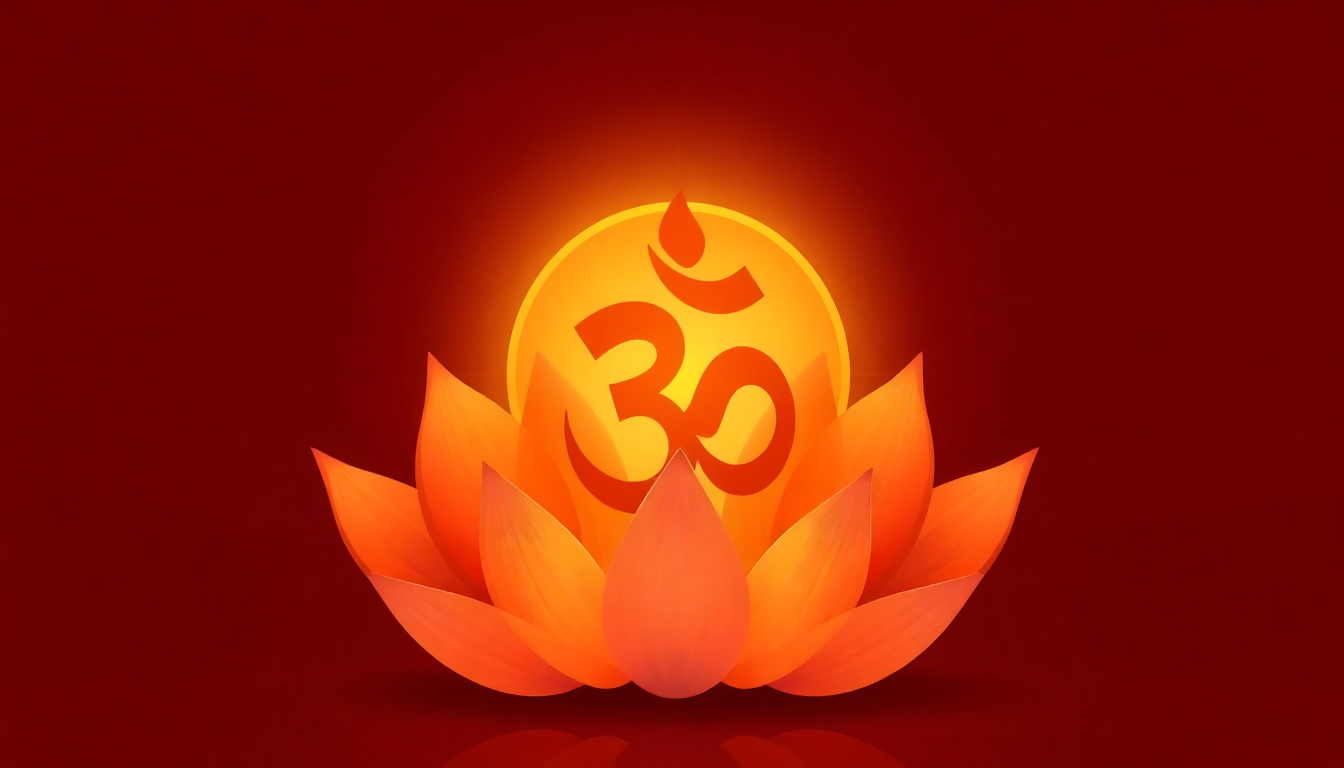
In Hinduism, the syllable "Om" (or "Aum") holds profound significance, embodying the essence of the universe and serving as a sacred sound in spiritual practices. It is not merely a phonetic symbol; rather, it represents the ultimate reality, consciousness, and the totality of existence. The sound is often described as the primordial vibration from which all creation emanates, making it a central element in various schools of thought within Hindu philosophy.
The concept of Om is deeply rooted in the ancient texts of Hinduism, particularly the Upanishads, which explore the nature of reality and the self. In these texts, Om is often associated with Brahman, the universal spirit or the ultimate reality that transcends the material world. This relationship posits that Om is not just a sound but a representation of the cosmic order and the divine essence that permeates all beings. From this perspective, chanting Om is seen as a way to connect with the divine and align oneself with the fundamental truths of the universe.
Om is typically composed of three sounds: "A," "U," and "M." Each of these components carries its own significance. The sound "A" represents creation or the waking state, "U" symbolizes preservation or the dream state, and "M" signifies dissolution or the deep sleep state. Together, they encompass the totality of existence, including the past, present, and future. Some interpretations also include the silence that follows the chant of Om, which symbolizes the transcendental state beyond all dualities and the ultimate realization of non-duality, or Advaita.
The symbolism of Om extends beyond its phonetic composition. In Hindu cosmology, it is often depicted as the sound that emerged at the beginning of creation, a sound that resonates in the universe and serves as a reminder of the interconnectedness of all life. Many practitioners of yoga and meditation use Om as a mantra, believing that its vibration can elevate consciousness, facilitate meditation, and promote inner peace. The act of chanting Om is thought to harmonize the mind, body, and spirit, creating a sense of unity with the cosmos.
Different Hindu traditions interpret the significance of Om in various ways. For example, in the Advaita Vedanta school, which emphasizes non-dualism, Om is seen as the bridge between the individual self (Atman) and the universal self (Brahman). Practitioners in this tradition often meditate on Om to realize their innate connection to the divine. In contrast, the Bhakti tradition, which focuses on devotion to personal deities, may use Om as a means to invoke and honor the divine presence, integrating it into devotional practices and rituals.
Furthermore, the significance of Om extends beyond Hinduism. It has been adopted in various spiritual practices worldwide, often symbolizing peace, unity, and spiritual awakening. This cross-cultural resonance underscores the universal appeal of the sound and its ability to connect individuals to deeper aspects of existence, regardless of specific religious affiliations.
In contemporary spiritual practices, Om has gained popularity as a symbol of mindfulness and meditation. It is frequently used in yoga classes, where practitioners chant the sound to center themselves and cultivate a sense of awareness. This modern usage continues to evolve, reflecting the adaptability of Om as a spiritual tool that resonates with both traditional and contemporary seekers.
Despite its widespread use, it is essential to approach the chanting and understanding of Om with respect for its cultural and spiritual origins. The depth of its meaning in Hinduism invites contemplation and reverence, encouraging practitioners to explore their own relationship with the sound and what it signifies in their spiritual journey.
In conclusion, the meaning of Om in Hinduism is a multifaceted concept that encompasses creation, preservation, dissolution, and the transcendental state of being. It serves as a powerful reminder of the interconnectedness of all existence and the divine essence that underlies reality. Whether through meditation, chanting, or philosophical inquiry, exploring the significance of Om can deepen one's understanding of the spiritual path and foster a greater connection to the universe. As seekers engage with this sacred sound, they are invited to reflect on their own experiences and the profound mysteries that lie at the heart of existence.
Read more daily wisdom, panchang, and personal Kundli guidance in the Sanathan app.
Be a part of the Sanathan movement
Follow Sanathan, share this page with someone who'd love it, and help carry Sanatan Dharma's wisdom to more hearts, one page at a time.
Jai Shri Ram! 🚩 🕉️
Explore the Sanathan Way