

Darsha Amavasya
📅 18th January 2026
📿 Tithi
Amavasya
12:00 AM →🌙 Paksha
Krishna
🌸 Month
Pausha
📅 Hindu Year
Shaka Shaka 1947
Darsha Amavasya
Darsha Amavasya is a Hindu festival observed on the new moon day in the month of Ashadha. It is dedicated to Lord Shiva and involves special prayers and rituals.
Darsha Amavasya
Darsha Amavasya is a significant Hindu observance marked on the new moon day, known as Amavasya, which holds special spiritual importance. This day is traditionally dedicated to honoring ancestors and performing rituals to seek their blessings and peace for departed souls. It is regarded as an auspicious time for introspection, meditation, and renewal of spiritual energy.
This festival is predominantly observed by Hindu communities across India, with particular reverence in southern states such as Tamil Nadu and Karnataka. Devotees from various castes and sects partake in the rituals, emphasizing the universal nature of respect for forebears in Hindu culture. It is also observed by some Buddhist and Jain groups who share similar lunar calendar customs.
Regional customs vary, with some areas incorporating temple ceremonies and community prayers, while others focus on family-based rituals at home or near water bodies. In Tamil Nadu, for example, special offerings and charitable acts are performed, whereas in Karnataka, elaborate pujas and ancestral homage are common. These variations reflect the rich tapestry of local traditions within the broader Hindu framework.
Darsha Amavasya follows the lunar calendar and occurs on the new moon day of the month of Ashadha or Shravan, depending on regional calendars. This timing is considered especially potent for spiritual activities, as the absence of moonlight symbolizes a time of renewal and transition. The lunar cycle’s influence underscores the connection between cosmic rhythms and human life in Hindu philosophy.
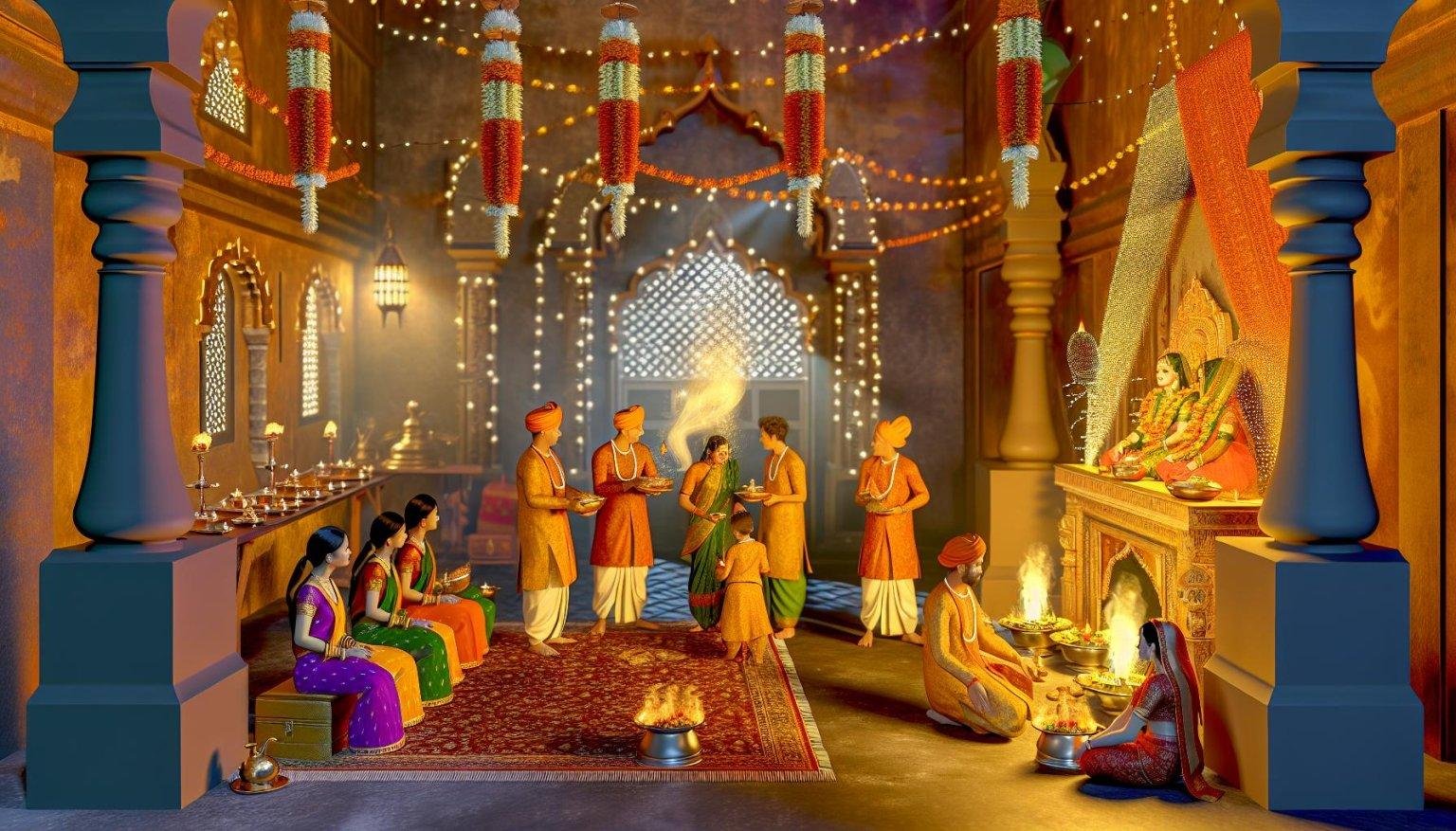
Rituals on this day typically include offering water and food to ancestors, lighting lamps, and chanting mantras to invoke divine grace. Many devotees visit temples or sacred rivers to perform these rites, believing that such acts purify the soul and bring prosperity. Fasting and meditation are also common practices, fostering a sense of discipline and devotion among participants.
To Wrap It Up
As the shadow of Darsha Amavasya gently falls upon the earth, it invites us to pause and reflect on the cycles of renewal and introspection that define our existence. This sacred night, cloaked in darkness yet brimming with spiritual significance, reminds us that even in moments of stillness and obscurity, there lies an opportunity for growth and transformation. Whether observed through ancient rituals or personal contemplation, Darsha Amavasya offers a timeless space to honor the past, embrace the present, and quietly prepare for the light that follows. In its silent embrace, we find a profound connection to the rhythms of nature and the enduring journey of the soul.
