

Ishti
📅
📿 Tithi
→🌙 Paksha
🌸 Month
📅 Hindu Year
Shaka
Ishti
Ishti is a traditional festival celebrated in Kerala, India. It involves rituals and offerings to honor the gods and seek blessings.
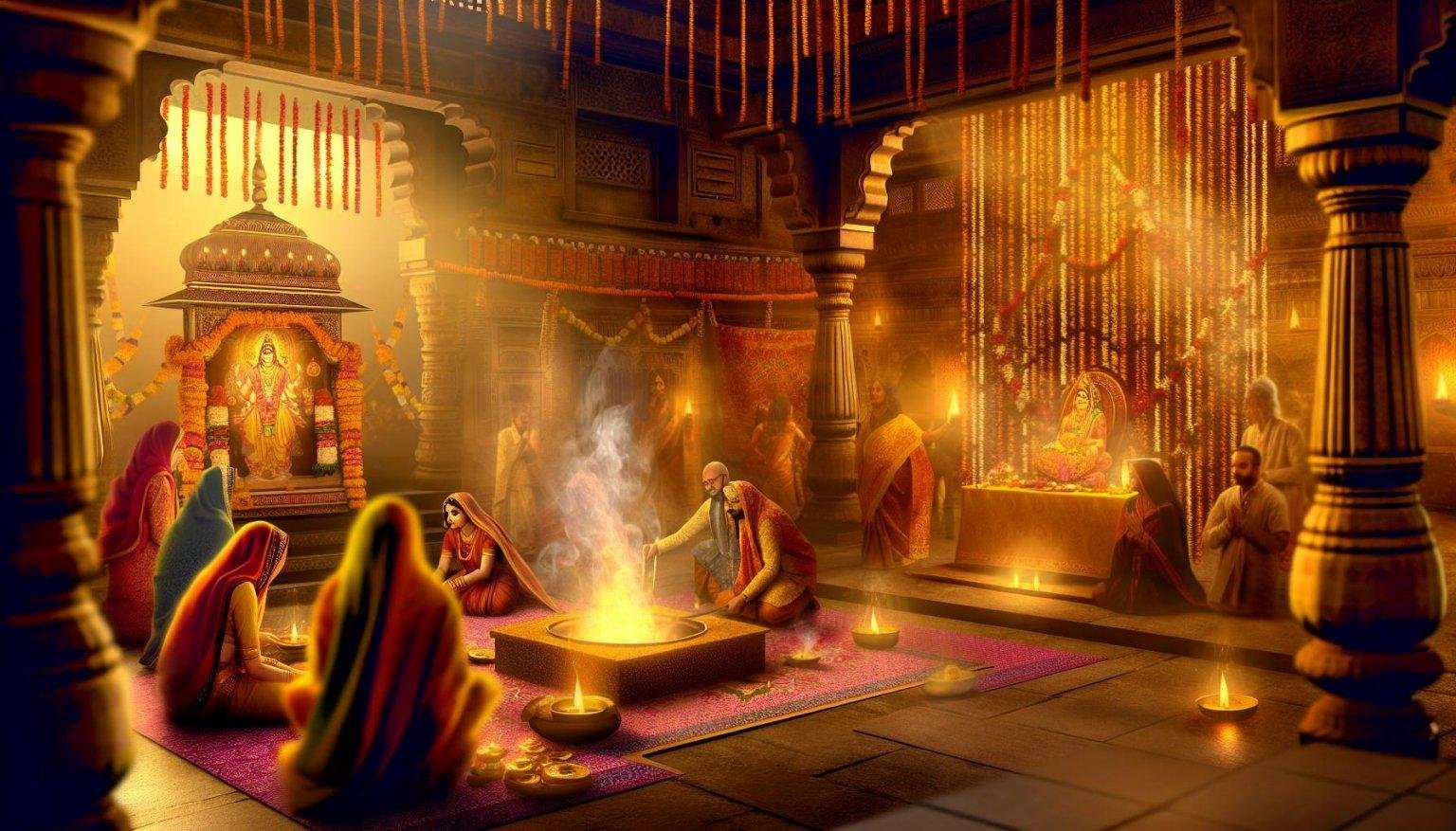
Ishti is a traditional Vedic ritual involving the offering of oblations to sacred fire, performed to honor deities and seek their blessings. It is an important part of ancient Hindu practices and is often conducted during special occasions, religious ceremonies, and important life events. The offerings typically include ghee, grains, and other sanctified substances, symbolizing devotion and gratitude towards the divine forces.
The ritual of Ishti is primarily observed by Brahmins and priests who are well-versed in Vedic chants and procedures. It is also practiced by devotees who wish to uphold their spiritual duties and maintain the continuity of Vedic traditions. The performance of Ishti is regarded as a means to purify the mind and environment, fostering harmony and prosperity within the household and community.
Cultural variations of Ishti are found across different regions of India, with slight differences in the mantras recited and the types of offerings used. In South India, especially among Tamil and Telugu communities, Ishti forms a key part of temple rituals and family ceremonies. In North India, it is often integrated into yajnas and homas, reflecting the diverse expressions of Vedic worship throughout the country.
The timing of Ishti is closely linked to the lunar calendar, with many rituals performed during auspicious lunar days such as Ekadashi or during specific nakshatras (constellations). The selection of the day and time is guided by traditional Panchangam calculations to ensure maximum spiritual benefit. This adherence to the lunar cycle highlights the deep connection between Ishti and the cosmic rhythms observed in Hindu culture.
During the ritual, the priest chants Vedic hymns while offering ghee and other sacred items into the fire, invoking various deities. The fire acts as a medium to convey the offerings to the divine realms. Participants often observe silence or recite prayers, maintaining a solemn atmosphere. This practice not only reinforces faith but also preserves the ancient oral traditions of the Vedas through precise recitation and ritual discipline.
In Conclusion
In exploring the rich tapestry of Ishti, we uncover more than just a ritual; we glimpse a living tradition that weaves together faith, culture, and identity. Whether viewed through the lens of history, spirituality, or social practice, Ishti stands as a testament to the enduring human desire to connect with the divine and one another. As with many ancient customs, its meaning evolves with time, inviting each generation to find new significance within its enduring flame. In understanding Ishti, we are reminded that rituals are not merely acts—they are stories in motion, carrying the whispers of the past into the promise of tomorrow.
