

Pausha Amavasya
📅
📿 Tithi
→🌙 Paksha
🌸 Month
📅 Hindu Year
Shaka
Pausha Amavasya
Pausha Amavasya is a Hindu festival observed on the new moon day in the month of Pausha. It is considered an auspicious day for performing rituals and paying homage to ancestors.
Pausha Amavasya
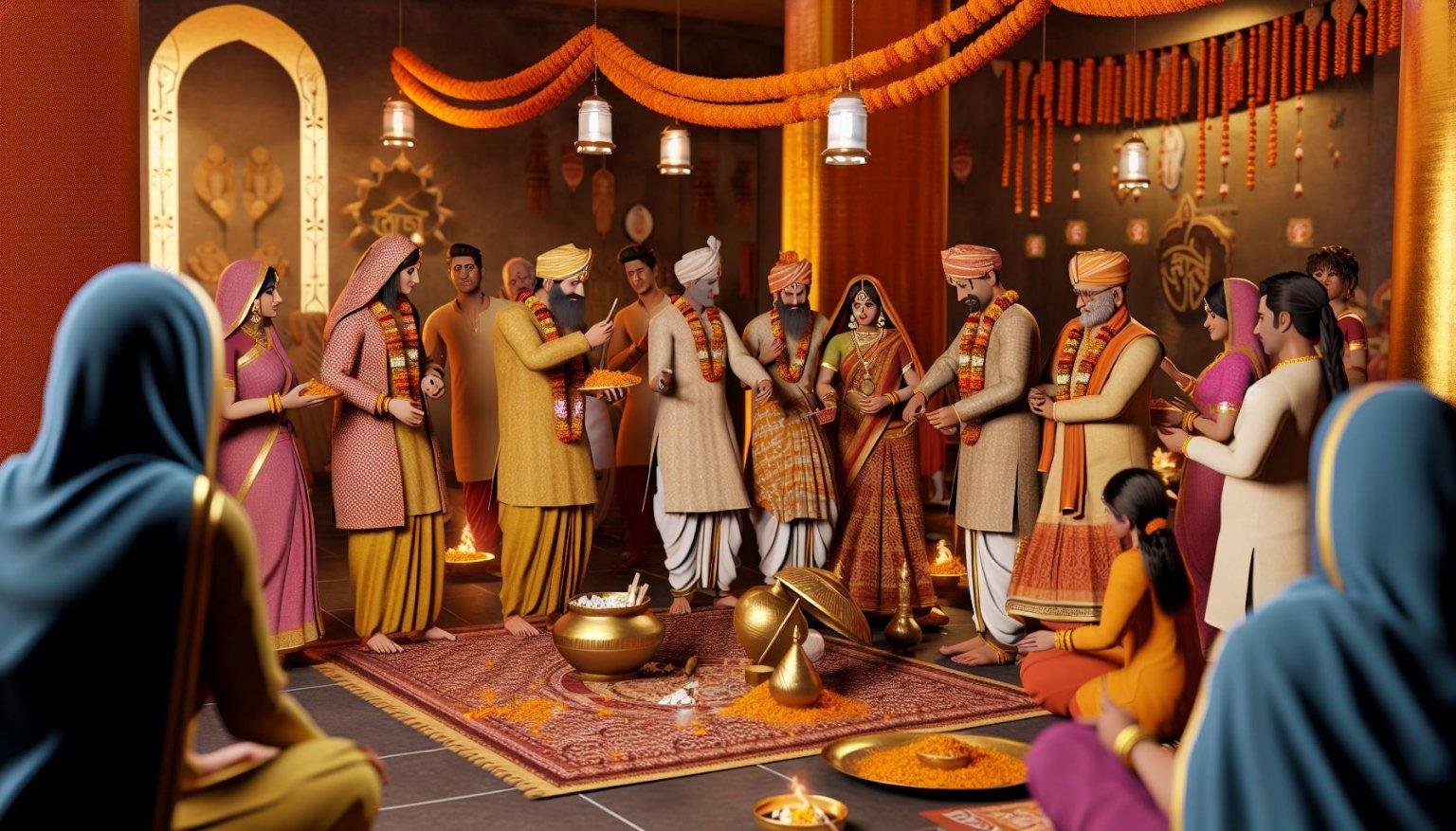
Pausha Amavasya is the new moon day that falls in the Hindu month of Pausha, which usually corresponds to December-January in the Gregorian calendar. This day is considered highly auspicious for performing various religious rites and rituals. It is a time when devotees seek blessings from their ancestors and the divine, believing that the new moon’s energy aids in spiritual cleansing and renewal.
This day is observed by Hindus across India, with special reverence in regions where ancestor worship is deeply rooted. Many families perform Tarpan, a ritual offering water to their forefathers, to honor departed souls and seek their blessings. It is also a day when many visit temples and holy rivers to take ritualistic baths, which are believed to purify the body and mind.
The observance of Pausha Amavasya varies slightly across different regions. In some parts of North India, it is linked with the worship of Lord Shiva and is marked by night-long prayers and fasting. In other areas, it coincides with local fairs and community gatherings, where cultural programs and devotional songs are performed. Despite these variations, the central theme remains the veneration of ancestors and spiritual devotion.
Pausha Amavasya is determined by the lunar calendar and occurs on the new moon day of the Pausha month. The Hindu calendar follows a lunisolar system, and Amavasya signifies the end of the lunar cycle, making it a significant day for new beginnings and spiritual practices. The timing of this day is carefully noted in traditional Panchangs for accurate observance.
On this day, devotees engage in rituals such as fasting, offering sesame seeds, water, and black til to ancestors, and performing pujas at home or in temples. Many also recite sacred mantras and read scriptures to invoke peace and prosperity. The rituals emphasize purity, respect for forebears, and the strengthening of family ties through spiritual remembrance.
Wrapping Up
As the moon slips quietly into its darkest phase on Pausha Amavasya, it invites us to pause and reflect amidst the hustle of daily life. This sacred night, steeped in tradition and spiritual significance, serves as a gentle reminder of the cycles of renewal and the power of intention. Whether observed through rituals, meditation, or simply a moment of stillness, Pausha Amavasya offers a timeless opportunity to connect with deeper rhythms—both within and beyond. In embracing its quiet energy, we find space to honor the past, cleanse the present, and welcome the promise of new beginnings.
