

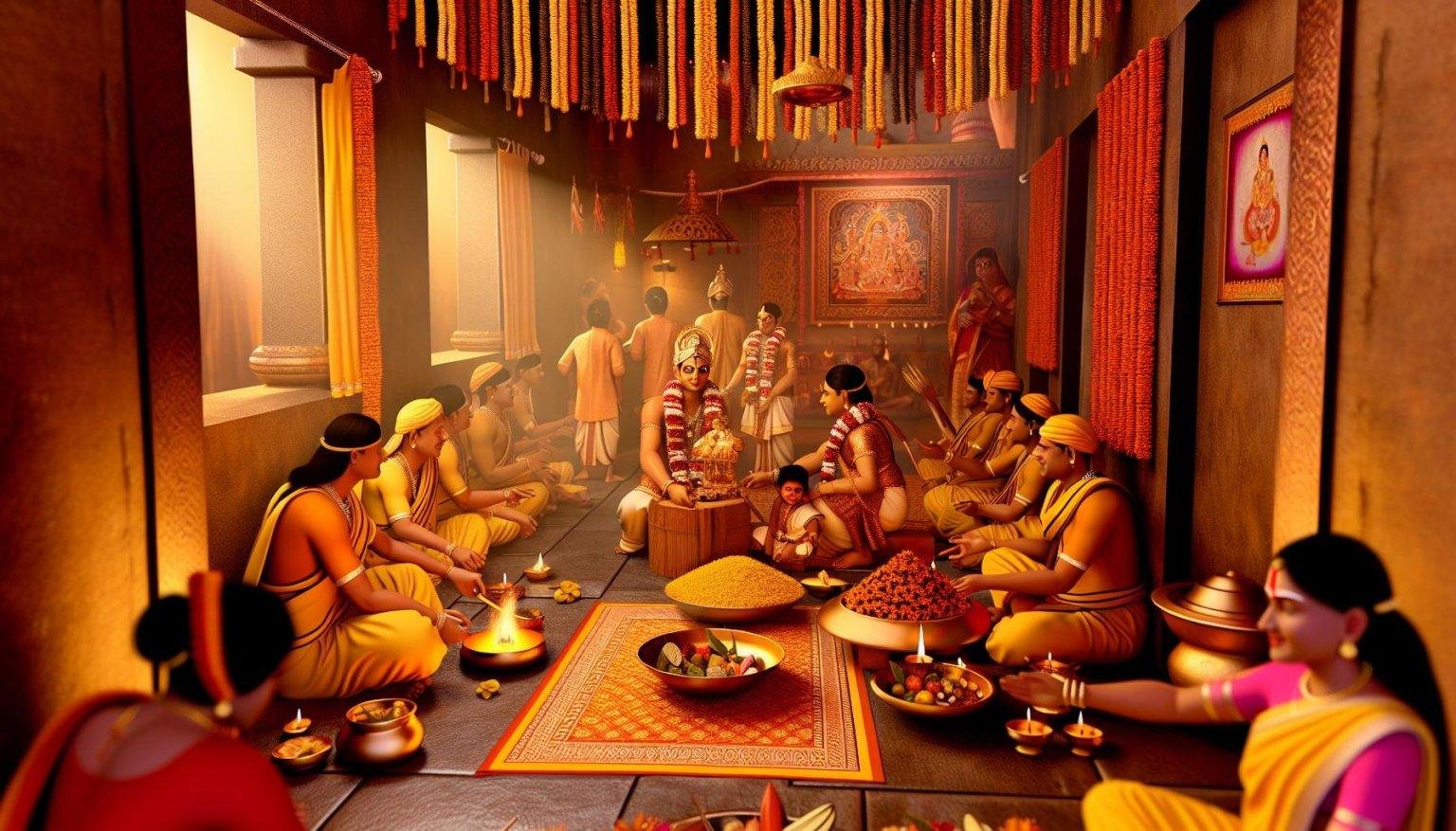
Ratha Saptami is a Hindu festival dedicated to Lord Surya, the Sun God, symbolizing the change of season and the arrival of the harvest period. It is observed with reverence as a day when the sun begins its northward journey, bringing warmth and prosperity. The festival is marked by prayers and rituals that seek the blessings of Surya for health, wealth, and well-being.
The festival is celebrated primarily by devotees in various parts of India, especially in the southern and western regions. It holds special importance among followers of the Vaishnavite tradition, as well as those who worship the sun deity. Farmers and households alike observe this day with devotion, recognizing the sun’s vital role in agriculture and daily life.
Cultural practices related to Ratha Saptami vary across regions. In states like Maharashtra, Karnataka, Andhra Pradesh, and Tamil Nadu, temples dedicated to Surya conduct special poojas and processions. In some areas, the deity is taken out on a chariot, symbolizing the sun’s chariot, while in others, devotees perform ritual baths and offer flowers and fruits to the sun at sunrise.
This festival falls on the seventh day (Saptami) of the bright half (Shukla Paksha) of the Hindu month of Magha according to the lunar calendar. It usually occurs in late January or early February. The day is considered highly auspicious for beginning new ventures and is often associated with the transition of the sun into the Uttarayana phase, which is believed to be a period of growth and positivity.
On Ratha Saptami, devotees rise early to take a holy bath with water mixed with turmeric and flowers, facing the rising sun. Special prayers and offerings are made to Surya, including the chanting of mantras and the recital of hymns such as the Aditya Hridayam. Many also observe fasting and visit temples to participate in rituals that honor the sun’s life-giving energy.
