

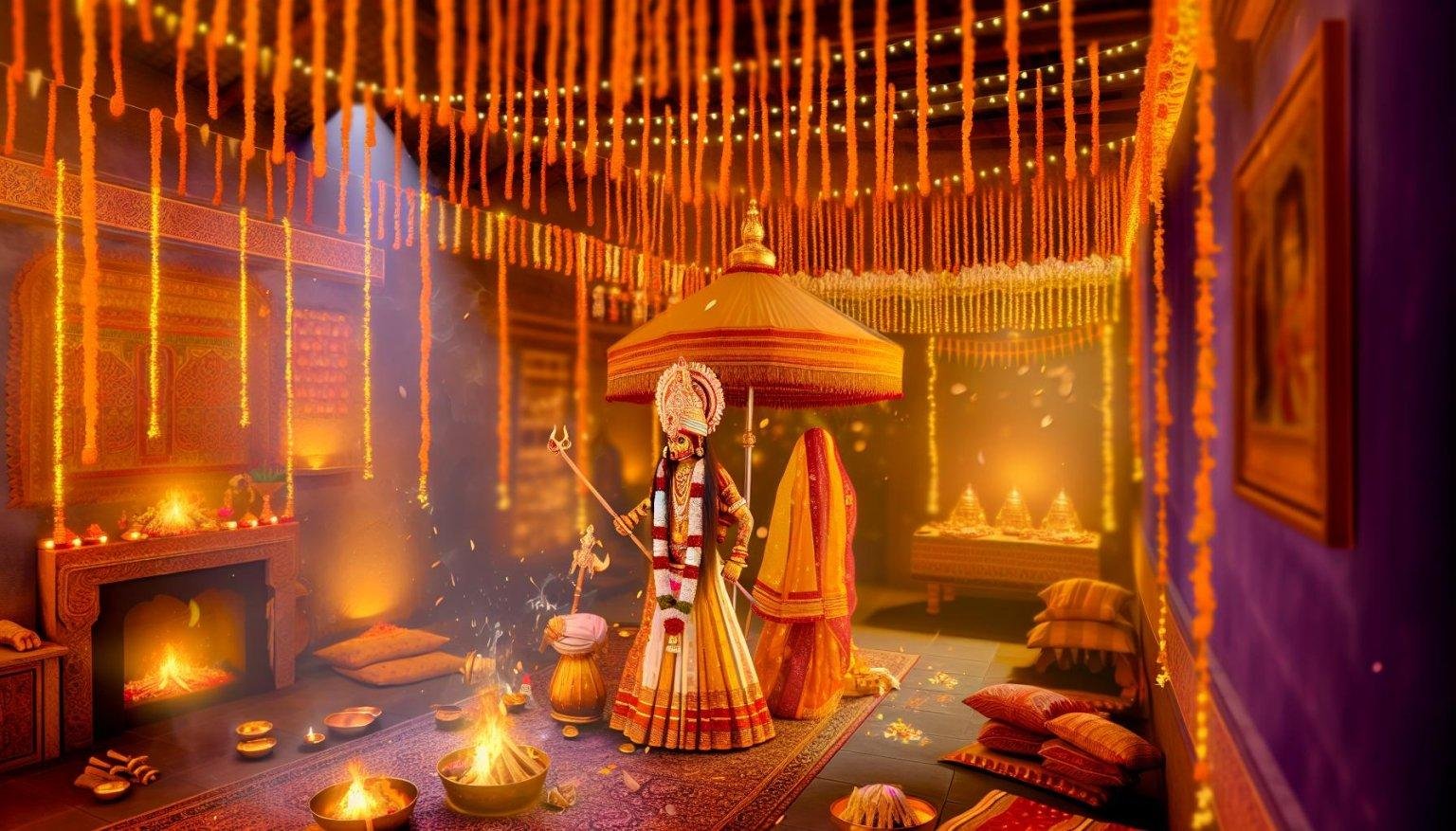
Shattila Ekadashi
📅 14th January 2026
📿 Tithi
Ekadashi
12:00 AM →🌙 Paksha
Krishna
🌸 Month
Pausha
📅 Hindu Year
Shaka Shaka 1947
Shattila Ekadashi
Shattila Ekadashi is a Hindu fasting day dedicated to Lord Vishnu. It is observed to seek spiritual benefits and purification.
Shattila Ekadashi
Shattila Ekadashi is an important observance dedicated to Lord Vishnu, celebrated on the eleventh lunar day (Ekadashi) of the Krishna Paksha (waning phase of the moon) in the month of Magha. This day is believed to bring spiritual merit and liberation from sins when observed with devotion and fasting. The festival is rooted in ancient scriptures, highlighting the significance of purity and devotion in one’s spiritual journey.
This Ekadashi is primarily observed by Vaishnavas and other Hindu devotees who seek the blessings of Lord Vishnu for health, prosperity, and spiritual growth. It is considered especially auspicious for those who wish to overcome obstacles and attain peace of mind. Many devotees undertake a strict fast and engage in prayers and recitations of Vishnu Sahasranama and other sacred texts on this day.
While Shattila Ekadashi is widely observed across India, there are regional variations in its customs and rituals. In some parts of North India, devotees prepare special dishes made from black gram (urad dal), which is considered sacred and is offered to the deity. In southern regions, the day is marked by temple visits and community prayers, reflecting local traditions alongside the common theme of devotion to Vishnu.
The festival’s timing is governed by the lunar calendar, occurring during the Krishna Paksha Ekadashi of Magha month according to the Hindu Panchang. This lunar positioning is significant as Ekadashi days are traditionally regarded as spiritually potent, especially during the dark fortnight when introspection and penance are emphasized. The observance aligns with the cycles of the moon, reinforcing the connection between cosmic rhythms and religious practices.
Rituals on this day typically include a day-long fast, breaking only after moonrise on the twelfth day (Dwadashi). Devotees engage in early morning bath, worship of Lord Vishnu with offerings of flowers, fruits, and black gram preparations. Reading or listening to sacred stories related to Ekadashi and Lord Vishnu forms an integral part of the day’s observance. Many also visit temples to participate in special pujas and seek blessings for well-being and spiritual progress.
In Summary
As the sun sets on Shattila Ekadashi, the echoes of devotion and discipline linger in the hearts of those who observe it. This sacred day, woven with ancient traditions and spiritual significance, invites us to pause, reflect, and renew our commitment to purity—both of body and mind. Whether through fasting, prayer, or mindful living, Shattila Ekadashi serves as a timeless reminder that true nourishment comes not only from what we consume but also from the intentions we cultivate within. In embracing this day, we connect with a rhythm that transcends time, offering a moment of peace amid the bustle of life and a chance to realign with the deeper currents of faith and self-awareness.
