
Shukra Pradosh Vrat is a sacred observance dedicated to Lord Shiva, observed on the thirteenth day (Trayodashi) of the Krishna Paksha (waning phase of the moon) when it falls on a Friday (Shukravar). This vrat is considered highly auspicious as it combines the significance of Pradosh, a time believed to be favorable for worshipping Lord Shiva, with the blessings associated with Friday, a day dedicated to Goddess Lakshmi and Venus (Shukra). Devotees believe that observing this vrat brings prosperity, peace, and spiritual upliftment.
The vrat is primarily observed by devotees of Lord Shiva across various regions of India, especially in states like Maharashtra, Tamil Nadu, and Karnataka. It holds special importance among married women who pray for the well-being and longevity of their husbands, as well as by individuals seeking relief from hardships and blessings for success. The observance is embraced by both Brahmins and non-Brahmins, reflecting its widespread cultural acceptance.
Cultural practices associated with this vrat vary regionally. In Maharashtra, special prayers and abhishekams (ritual bathing) of the Shiva Lingam are performed in temples during the evening Pradosh time. In South India, the festival may coincide with local traditions such as offering fruits, flowers, and Bilva leaves to Lord Shiva. Some communities also organize bhajan sessions and recite Shiva Purana stories, emphasizing the spiritual benefits of the day.
The timing of Shukra Pradosh Vrat is determined by the lunar calendar, specifically on Trayodashi tithi during Krishna Paksha, when it aligns with Friday. The Pradosh period, occurring roughly one and a half hours before and after sunset, is considered the most auspicious time for worship. Observing the vrat during this period is believed to invoke the grace of Lord Shiva and bring relief from sins and troubles.
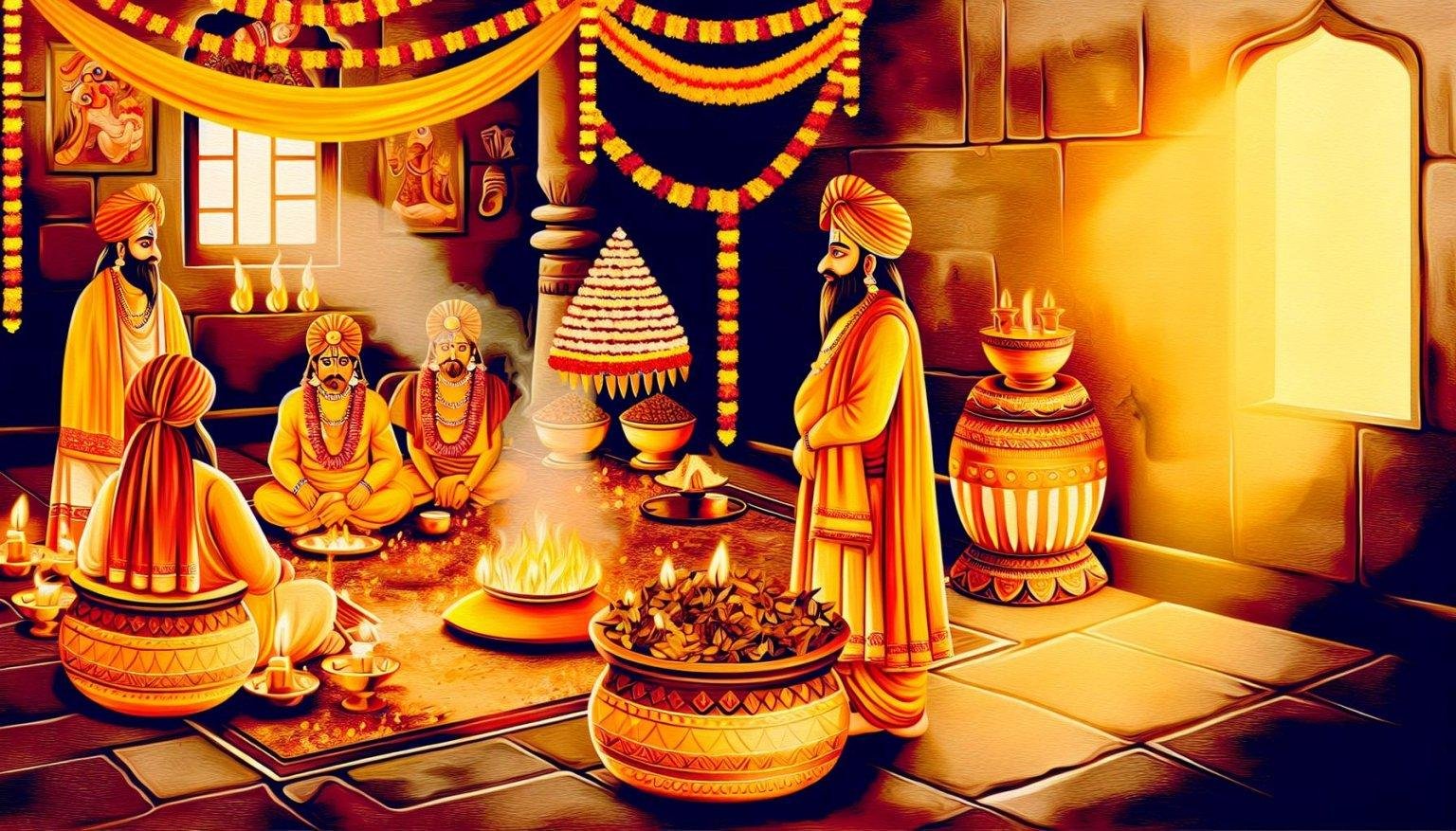
Rituals include fasting throughout the day, visiting Shiva temples in the evening, and performing aarti with lamps and incense. Devotees offer Bilva leaves, fruits, and sweets to the Shiva Lingam and chant mantras such as “Om Namah Shivaya.” Many also read or listen to stories related to Lord Shiva’s benevolence. The vrat concludes with breaking the fast after sunset, often accompanied by sharing prasad with family and community members.
