
Kashi Vishwanath Temple
- Kashi Vishwanath Temple, Varanasi, Uttar Pradesh, India
- April 22, 2026



| Main Deity | Lord Shani (Saturn) |
|---|---|
| Location | Shani Shingnapur, Ahmednagar, Maharashtra, India |
| Temple Timings | 5:00 AM – 10:00 PM; Saturdays peak |
| Entry Fee | Free |
| Best Time to Visit | Saturdays (auspicious for Shani worship); January-March |
| Significance | Open-air Shani deity; famous door-less village tradition |
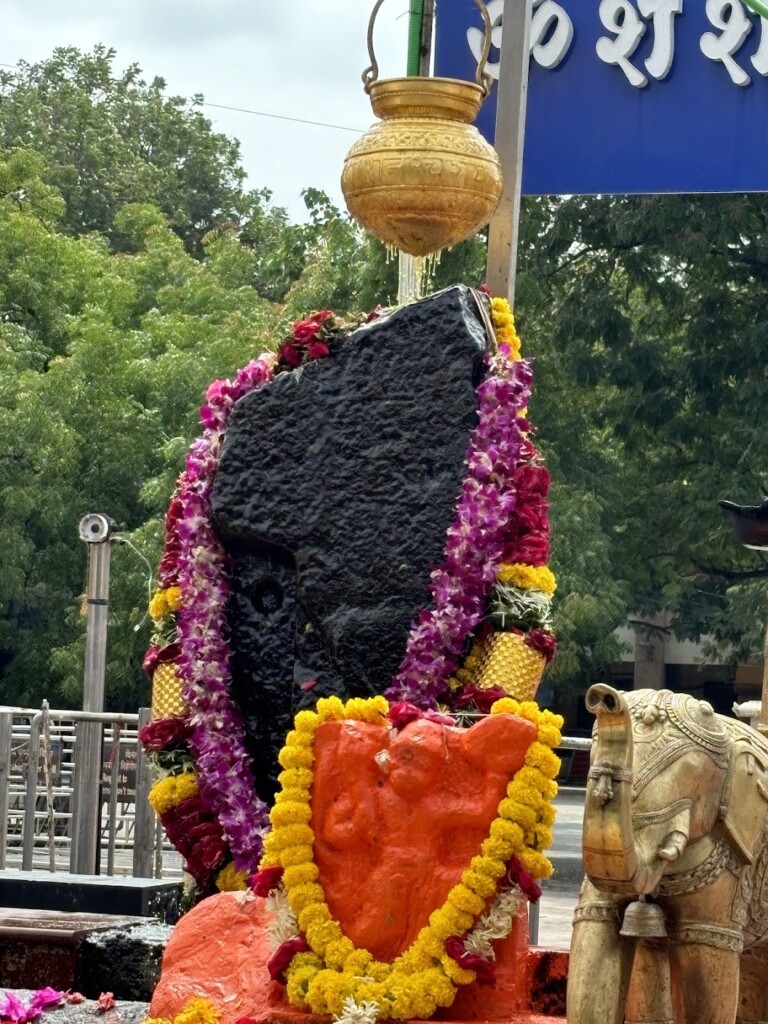
Nestled in the serene village of Shani Shingnapur in Maharashtra, this sacred site is renowned for its unique devotion to Lord Shani, the celestial embodiment of Saturn. What sets this temple apart is its open-air representation of the deity, crafted from a self-manifested black stone. Unlike traditional temples that house idols under elaborate roofs, here, the divine presence is revered in its natural form, inviting visitors to connect with the energy of Lord Shani in a raw and unfiltered manner.
The spiritual significance of this temple extends beyond its architectural uniqueness. It is deeply intertwined with the lives of the villagers, who have long held a belief in the protective powers of Lord Shani. This faith manifests in the remarkable practice of living without doors, symbolizing the unwavering trust in the deity’s safeguarding grace. For many, a pilgrimage to this temple is not just a journey of devotion, but an exploration of faith in divine protection and justice.
Shani Shingnapur boasts a rich historical tapestry, woven with threads of devotion and protection. The origins of the village and its temple date back several centuries, with local legends suggesting that the deity was discovered in the region by a shepherd who stumbled upon the miraculous stone. Recognized for its divine qualities, the stone was enshrined, and over time, the village blossomed around this sacred site, becoming a center of spiritual pilgrimage.
Throughout the years, the temple has attracted numerous devotees, drawing attention from various dynasties and rulers who recognized the importance of Lord Shani in Hindu cosmology. Despite the passage of time, the village has maintained its unique traditions, including the absence of doors in homes, a practice believed to have been instilled by the deity’s protective essence. Such rich history infuses the temple with a timeless spirit, inviting seekers from far and wide to partake in its sacred heritage.
The architectural essence of this sacred site is both simple and profound, reflecting the ethos of its worshippers. The open-air design allows devotees to experience the divine presence of Lord Shani without the barriers typically found in conventional temples. The black stone, revered as a swayambhu, stands as a testament to the raw beauty of nature and spirituality, captivating all who visit.
Visually, the temple is marked by its striking contrast against the natural backdrop of the village, with the unadorned stone radiating a sense of tranquility and strength. Surrounding the temple, one can observe the traditional village architecture, which complements the spiritual ambiance, enhancing the overall experience of visiting this sacred space. The simplicity of design harmonizes with the villagers’ lifestyle, embodying a profound respect for the divine.
The religious significance of this temple extends far beyond its physical structure; it serves as a beacon of hope and faith for countless devotees. People from all walks of life journey here to seek blessings from Lord Shani, particularly during moments of hardship or when facing challenges related to karma and justice. The belief that the deity offers protection from misfortune has solidified the temple’s status as a revered pilgrimage site.
Legends surrounding the temple further enrich its sacred importance. It is said that those who earnestly seek the blessings of Lord Shani with a pure heart are granted relief from their troubles. The temple stands not only as a place of worship but also as a sanctuary where individuals can reflect on their lives, seek forgiveness, and strive for spiritual growth through the guidance of the deity.
The vibrancy of the temple comes alive during major festivals, drawing throngs of devotees eager to participate in the celebrations. One of the most significant events is Shani Amavasya, which occurs on the new moon day dedicated to Lord Shani. On this day, devotees engage in special rituals, offer prayers, and perform ceremonies to honor the deity, creating an atmosphere brimming with devotion and spiritual fervor.
Throughout the year, various rituals and observances take place, allowing visitors to experience the temple’s lively spirit. The collective energy of the devotees, united in their faith, creates a sense of community and shared purpose. Those who visit during festival times can expect to witness the deep-rooted traditions of worship, as well as the vibrant interplay of music, offerings, and prayers that fill the air with divine resonance.
There are no reviews yet.

Worth ₹2,000 — 100% FREE
Already have an account? Log in
